

 EN
EN
 AR
AR CS
CS DA
DA NL
NL FI
FI FR
FR DE
DE EL
EL IT
IT JA
JA KO
KO NO
NO PL
PL PT
PT RO
RO RU
RU ES
ES SV
SV TL
TL IW
IW ID
ID LV
LV SR
SR SK
SK VI
VI HU
HU MT
MT TH
TH TR
TR FA
FA MS
MS GA
GA CY
CY IS
IS KA
KA UR
UR LA
LA TA
TA MY
MY
India's industrial electricity costs have climbed steadily, and in energy-intensive manufacturing sectors — textiles, automotive components, plastics processing, construction equipment production — hydraulic system energy consumption has moved from a fixed cost to a target for active reduction. The fixed displacement versus variable displacement pump decision is where that reduction effort starts in most hydraulic-intensive facilities.
The Indian Manufacturing Reality
Indian factories often run two or three shifts. A hydraulic press that operates 6,000 to 8,000 hours annually spends a large fraction of that time in dwell phases — pressure holding, part ejection, die change, conveyor transfer — where the hydraulic circuit needs to maintain pressure but not move significant flow. A fixed displacement pump running during those phases is consuming power to bypass fluid over a relief valve, generating heat that the oil cooler then has to remove.
Variable displacement pumps eliminate most of that waste. The swashplate reduces stroke during low-demand phases, matching pump output to actual circuit need. In a press or injection molding application with a realistic duty cycle, the energy saving compared to a fixed displacement circuit is commonly 30 to 45% of total hydraulic system power consumption — a number that translates to significant monthly electricity bill reduction at Indian industrial tariff rates.
Indian Sector |
Typical Annual Hours |
Estimated Saving |
Payback Period |
Injection molding |
6,000–8,000 hr |
35–50% |
12–24 months |
Hydraulic press |
5,000–7,000 hr |
25–40% |
18–30 months |
Machine tool (clamping) |
4,000–6,000 hr |
20–35% |
24–36 months |
Construction equipment |
2,000–4,000 hr |
18–28% |
30–48 months |
The Total Cost Calculation for Indian Buyers
Variable displacement pumps — including Danfoss variable displacement designs — cost more upfront than fixed displacement alternatives. Indian procurement often focuses on first cost, but the energy calculation changes the picture significantly for facilities that track operating costs seriously. At Indian commercial electricity tariffs of ₹8 to ₹12 per kWh, a 30 kW hydraulic system saving 35% of its energy use generates ₹5 to ₹8 lakhs in annual savings. The additional capital cost of the variable displacement pump is recovered in one to two years.
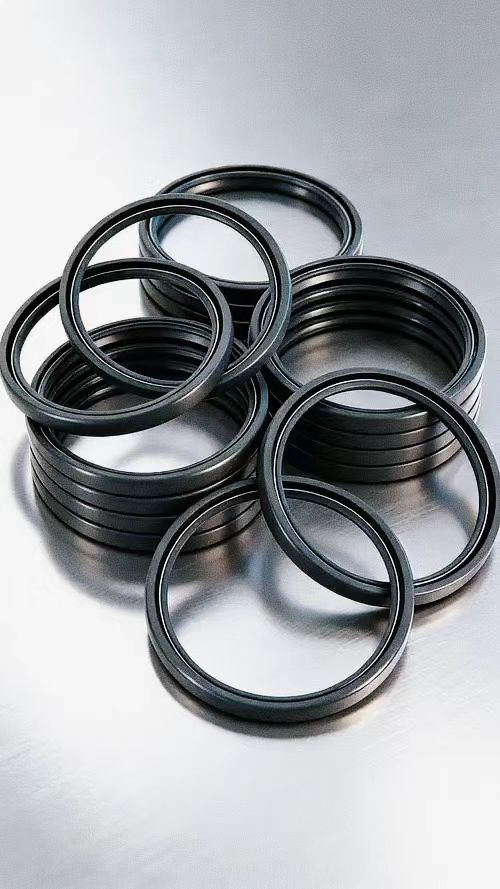
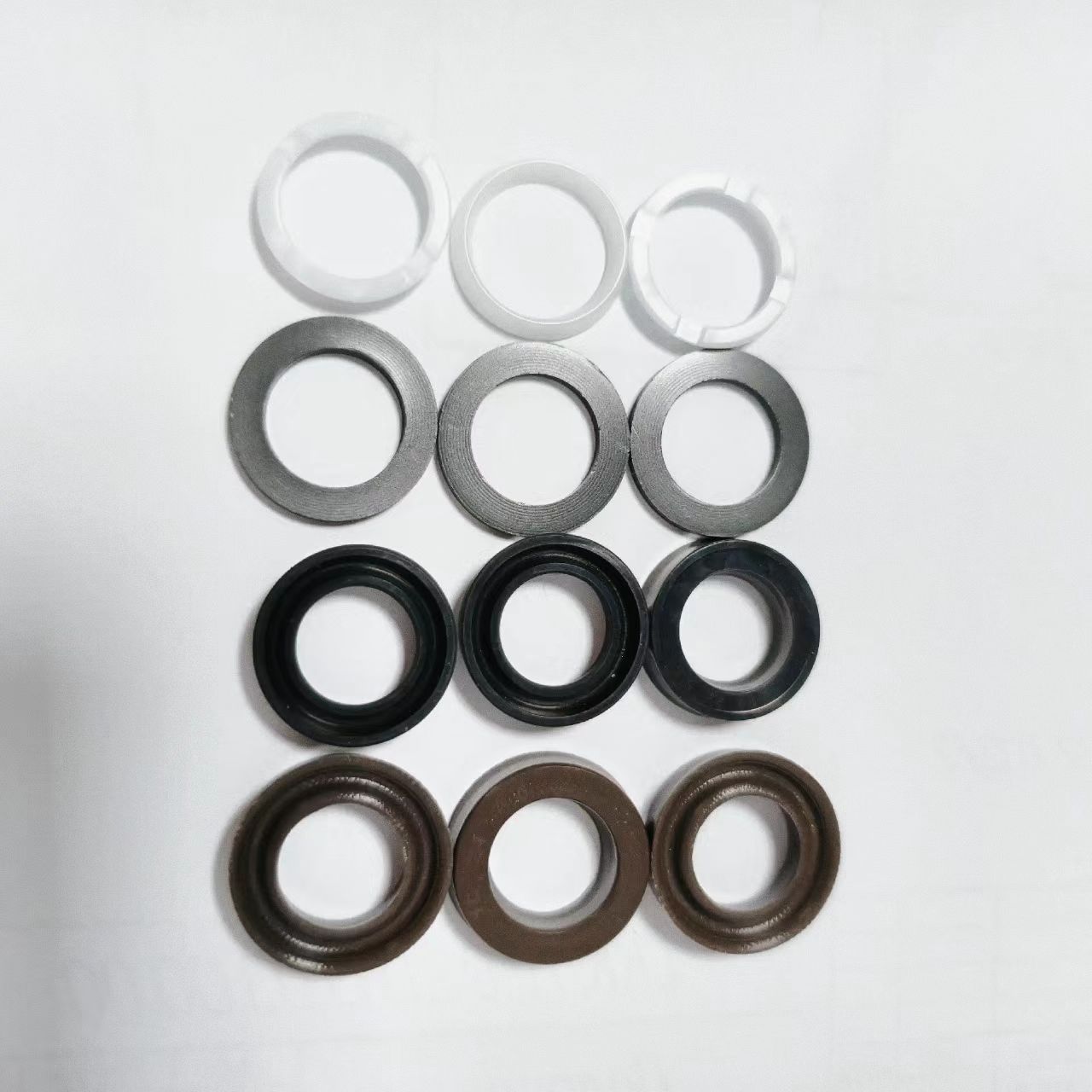
HOVOO / HOUFU supplies seal kits for both fixed and variable displacement Danfoss pump platforms. Seal condition is the maintenance factor that preserves the efficiency advantage of variable displacement designs over time. HOUFU seal kits for India-market applications are available at hovooseal.com.
Source: www.hovooseal.com


