

 EN
EN
 AR
AR CS
CS DA
DA NL
NL FI
FI FR
FR DE
DE EL
EL IT
IT JA
JA KO
KO NO
NO PL
PL PT
PT RO
RO RU
RU ES
ES SV
SV TL
TL IW
IW ID
ID LV
LV SR
SR SK
SK VI
VI HU
HU MT
MT TH
TH TR
TR FA
FA MS
MS GA
GA CY
CY IS
IS KA
KA UR
UR LA
LA TA
TA MY
MY
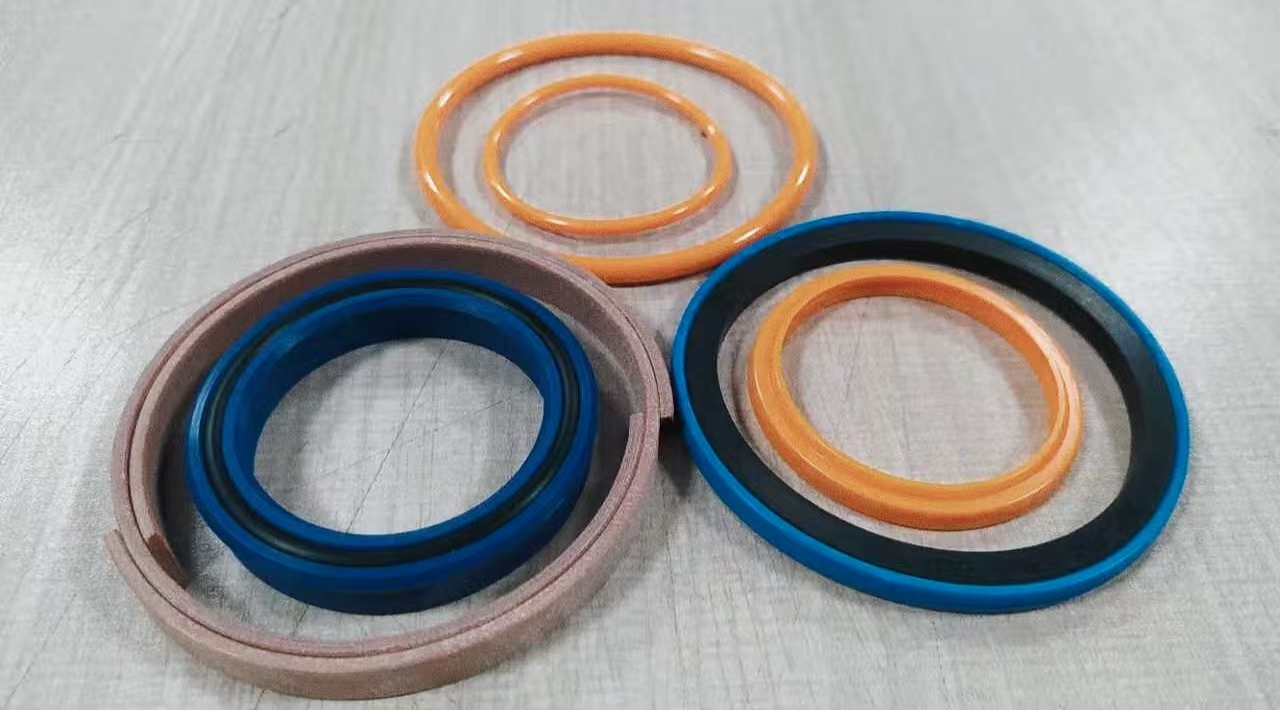
Hydraulic pump reliability is one of those topics where the gap between what engineers know and what actually happens in the field is wider than it should be. The knowledge exists. Contamination control protocols, proper derating, temperature management — none of it is secret. The pumps that fail early almost always fail for reasons that were predictable and preventable.
Derating: The Investment That Pays Back Slowly
A pump running at 90 percent of its continuous pressure rating is not operating dangerously — it is operating within specification. But a pump at 70 percent of rating is operating with a margin that translates directly into years of additional service life. The fatigue mechanisms that wear out piston bores, valve plates, and shaft bearing journals are non-linear with pressure. Running harder means wearing faster, at a rate that accelerates as damage accumulates.
The upfront cost of a larger pump displacement — running it at lower pressure and speed to meet the same system demand — pays back through extended service intervals and fewer unplanned failures. High reliability is an engineering choice made at specification time, not a property that can be added later.
Contamination: The Slow Killer
Most hydraulic pump failures trace back to contaminated oil. Not dramatically contaminated — not metal shavings or sand — but particles in the 5 to 15 micron range that slip past standard filters and lodge themselves between the precision surfaces of slipper pads and bores. The ISO 4406 standard provides cleanliness targets: most axial piston pumps need ISO 16/14/11 or better for full service life. Systems running consistently dirtier than that are simply consuming pump wear life faster than necessary.
Temperature, Seals, and the Failure Cascade
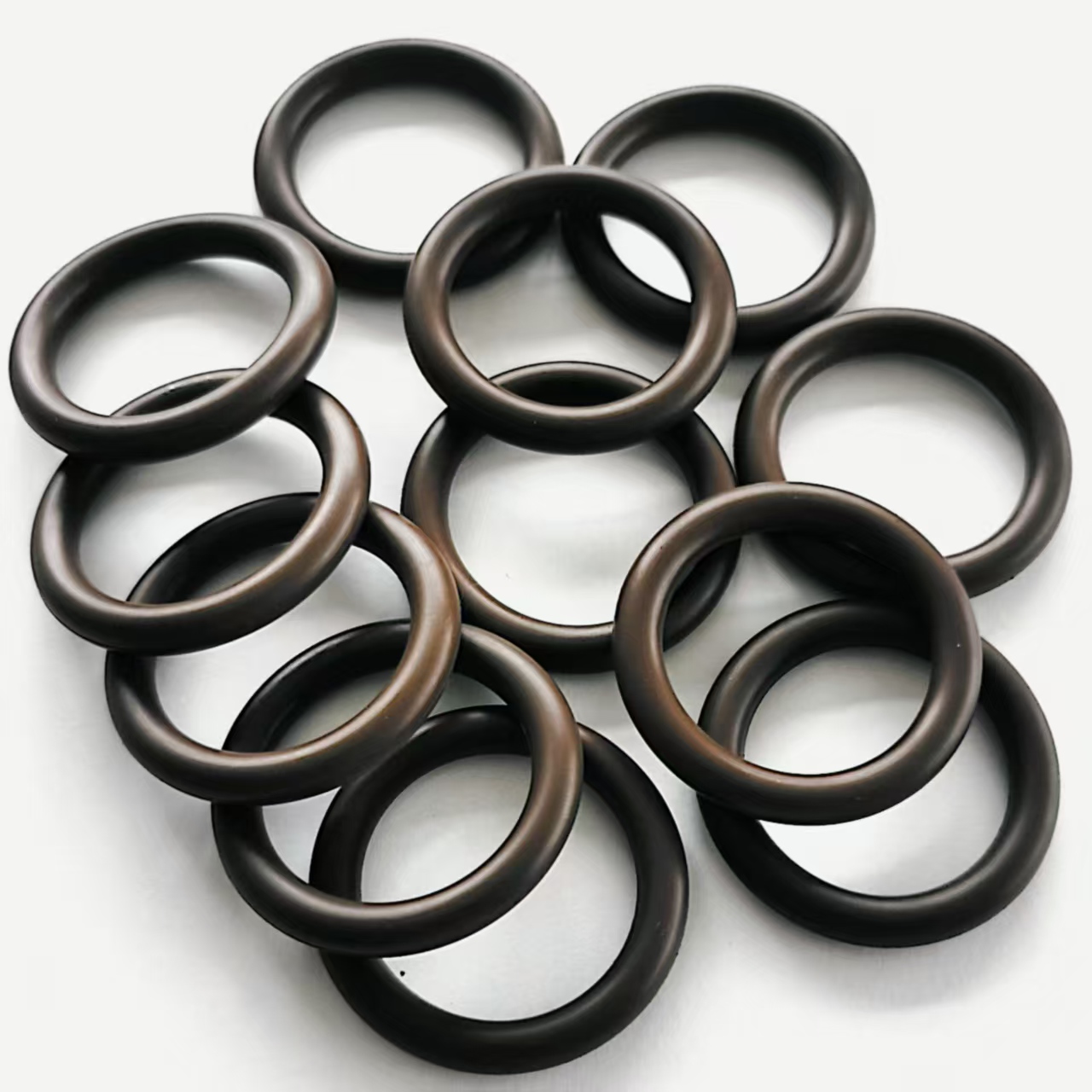
Sustained high operating temperatures — consistently above 70°C — degrade both the hydraulic fluid and the seals simultaneously. Oxidized fluid becomes acidic and attacks seal compounds from the inside. Thermally fatigued seals lose elasticity and begin to leak. A leaking hydraulic pump oil seal introduces air into the suction side, triggering cavitation that erodes valve plate surfaces in a matter of hours.
That failure cascade — high temperature, seal degradation, air ingestion, cavitation damage — is the most common pattern in pump failures that appear sudden but were actually developing for months. Timely seal replacement breaks the chain. HOVOO / HOUFU hydraulic pump seal kits use HOUFU-compound seals rated for 150°C continuous and 400+ bar pressure pulses. Visit hovooseal.com.
Source: www.hovooseal.com


