

 EN
EN
 AR
AR CS
CS DA
DA NL
NL FI
FI FR
FR DE
DE EL
EL IT
IT JA
JA KO
KO NO
NO PL
PL PT
PT RO
RO RU
RU ES
ES SV
SV TL
TL IW
IW ID
ID LV
LV SR
SR SK
SK VI
VI HU
HU MT
MT TH
TH TR
TR FA
FA MS
MS GA
GA CY
CY IS
IS KA
KA UR
UR LA
LA TA
TA MY
MY
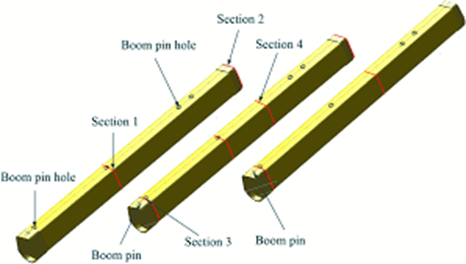
Germany's underground coal and potash mining—K+S Group's Werra potash mines in Hesse, and RAG's remaining deep hard-coal operations in the Ruhr—operates Sandvik DD2710 jumbos in heading profiles that require the B26F telescopic boom to reach corner holes at the maximum cross-section width without repositioning the carrier. The B26F's telescopic extension—which increases reach from the retracted position—is what makes this single-carrier face coverage possible. When the telescopic section's hydraulic cylinder seals allow internal bypass, the boom doesn't hold full extension under percussion load; the drifter walks inward by 15–30 mm over a 5-meter hole, producing hole deviation that affects the drill pattern's burden distribution.
The B26F boom operates at the intersection of multiple hydraulic circuits: the main lift cylinder, the telescopic extension cylinder, the swing cylinder, and the rotation actuator all feed from the DD2710's main hydraulic circuit. In German underground conditions—where potash brine can enter the carrier area through floor drainage and coal dust is an ever-present contamination source—the boom's hydraulic cylinder seals and pin bush assemblies are the components most vulnerable to accelerated wear.
B26F Boom Component Maintenance for German Underground Conditions
Component |
Failure Mode |
German Site Factor |
Inspection Action |
Telescopic cylinder seals |
Internal bypass; boom shortens under load |
Potash brine attacks NBR seals |
Replace with HNBR in brine-prone sites |
Pin bush assemblies |
Fretting wear; angular play |
Coal dust in pin gaps |
Grease at each shift; inspect at 500 hrs |
Boom body welds |
Fatigue cracking at stress concentrations |
Ruhr hard-coal vibration levels |
UV penetrant at 1,000-hr service |
Rotation bearing |
Corrosion-fatigue in potash environment |
Brine pH and chloride content |
DLC-coated bearing specified at K+S sites |
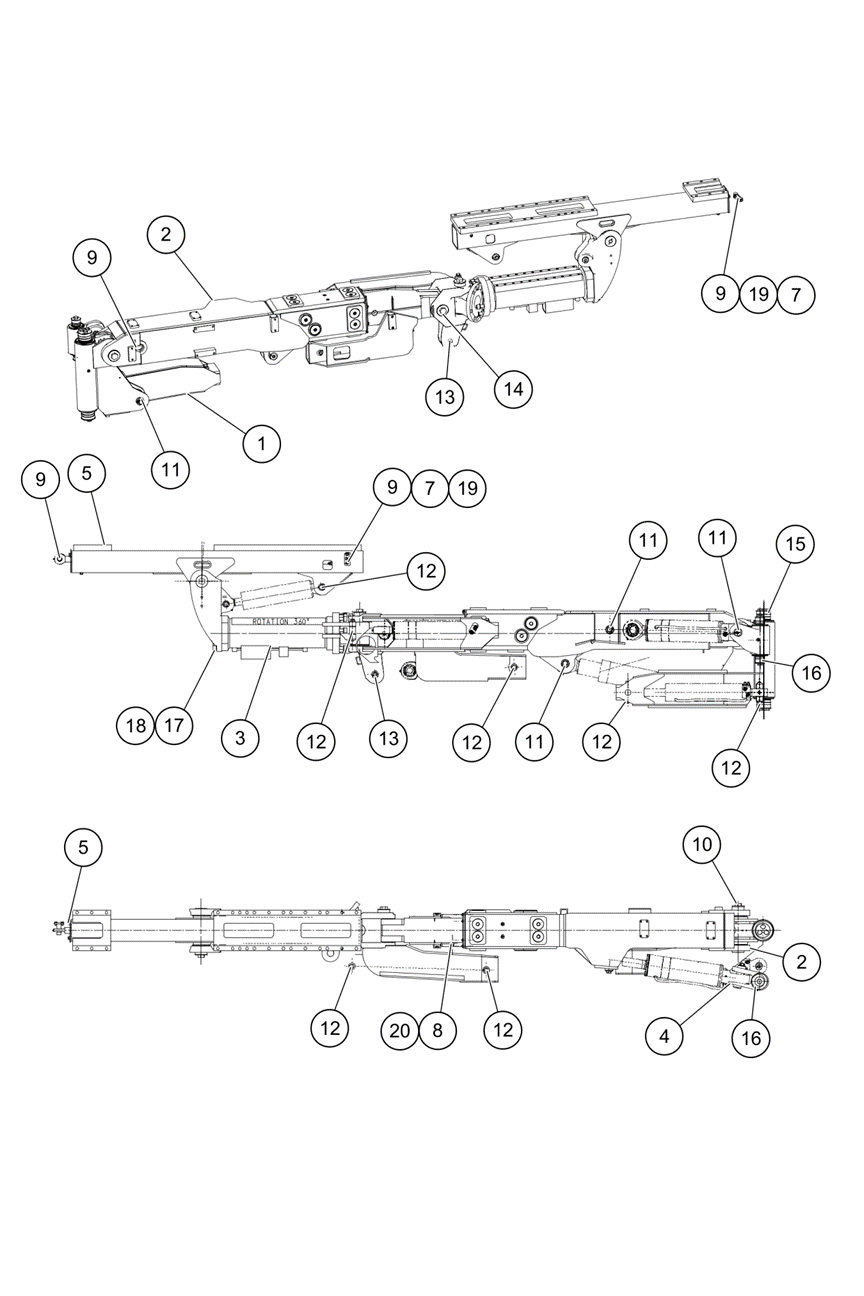
K+S's Werra maintenance team replaces telescopic cylinder seals with HNBR compound as standard practice—a specification driven by the brine chemistry in their potash formation that degraded standard NBR seals 40% faster than rated life. The HNBR switch extended seal service life to match the rated interval and eliminated mid-shift boom shortening events that had previously disrupted face round completion. HOVOO supplies DD2710 B26F boom cylinder seal kits in standard and HNBR compound options. References at hovooseal.com.


