

 EN
EN
 AR
AR CS
CS DA
DA NL
NL FI
FI FR
FR DE
DE EL
EL IT
IT JA
JA KO
KO NO
NO PL
PL PT
PT RO
RO RU
RU ES
ES SV
SV TL
TL IW
IW ID
ID LV
LV SR
SR SK
SK VI
VI HU
HU MT
MT TH
TH TR
TR FA
FA MS
MS GA
GA CY
CY IS
IS KA
KA UR
UR LA
LA TA
TA MY
MY
The connection between hydraulic system efficiency and machine emissions is not complicated, but it is easy to overlook when emissions conversations focus entirely on the engine, the exhaust aftertreatment, and the fuel type. In diesel-powered mobile equipment, the hydraulic system is one of the largest consumers of engine output — often 35 to 50 percent of total power — and what it wastes as heat rather than converting to useful work is fuel the engine burned for nothing.
That framing resets the question. Low emission hydraulic technology is not a separate category from energy-efficient hydraulic technology. It is the same engineering measured at the exhaust pipe rather than the electrical meter.
Where Hydraulic Losses Show Up in Emissions
A relief valve that bypasses 60 liters per minute at 250 bar during a dwell phase is consuming roughly 25 kilowatts and producing nothing useful. The engine that drives the pump producing that bypassed flow is burning fuel to generate heat in a hydraulic oil reservoir. Multiply that across the fraction of machine operating time spent in dwell or part-load conditions — which is typically 50 to 70 percent in real construction and agricultural duty cycles — and the accumulated fuel waste becomes significant.
Variable displacement pumps with load-sensing control eliminate most of that. The pump reduces its output to match what the circuit actually needs rather than running at full displacement against the relief valve. Danfoss variable displacement designs with pressure-flow compensation reduce standby losses to near zero. The fuel saving from that single change, in a machine that previously ran a fixed displacement pump, is commonly 15 to 25 percent of total hydraulic system fuel consumption.
Digital Displacement: The Next Step
Digital displacement pump technology pushes the efficiency curve further at partial loads — exactly the operating region where most machines spend most of their time. Conventional variable displacement pumps hit a practical floor around 5 to 10 percent displacement below which control stability is difficult to maintain. A digital displacement pump can operate stably at near-zero displacement, keeping efficiency high through low-load phases that conventional designs handle poorly.
Hydraulic Technology |
Baseline Fuel Saving |
Emission Reduction |
Operating Condition |
Fixed disp. + relief valve |
0% (baseline) |
— |
All conditions |
Variable disp., pressure comp. |
10–18% |
CO₂ −10–18% |
Variable load |
Variable disp., load sensing |
18–28% |
CO₂ −18–28% |
Multi-actuator mobile |
Digital displacement pump |
25–40% |
CO₂ −25–40% |
High duty cycle |
Pump motor unit (VFD) |
30–45% |
CO₂ −30–45% |
Industrial variable load |
Competitiveness in Practice
Equipment emissions have shifted from a regulatory box to check to a procurement differentiator in several markets. Government fleet buyers in Europe and North America increasingly specify Stage V compliance and total lifecycle carbon as evaluation criteria, not just purchase price. Agricultural equipment buyers who operate on large contracts with sustainability reporting requirements are asking the same questions.
A machine that demonstrably uses less fuel per unit of work done — because its hydraulic system converts input power to output work efficiently rather than dumping it as heat — has a real advantage in these procurement conversations. The efficiency claim can be backed with measured data from load cycle testing, which is a more credible position than a specification sheet number.
The Maintenance Connection
Low emission hydraulic performance degrades as pump seals wear. Internal leakage from a deteriorating piston or shaft seal forces the pump to work harder to maintain system pressure, consuming input power without producing hydraulic output. Over a service interval, that creeping inefficiency adds up in fuel consumption and emissions — quietly, without any visible fault, until a seal inspection reveals the gap between current and designed internal clearance.
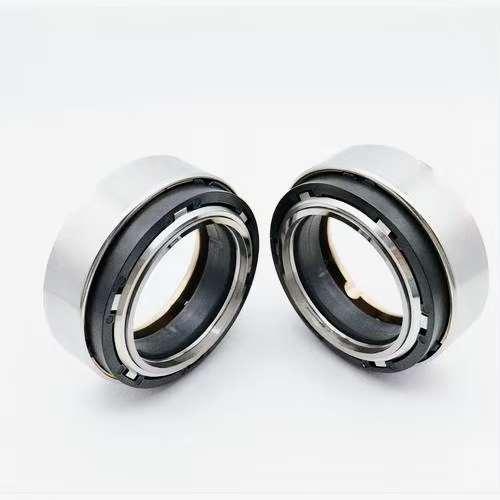
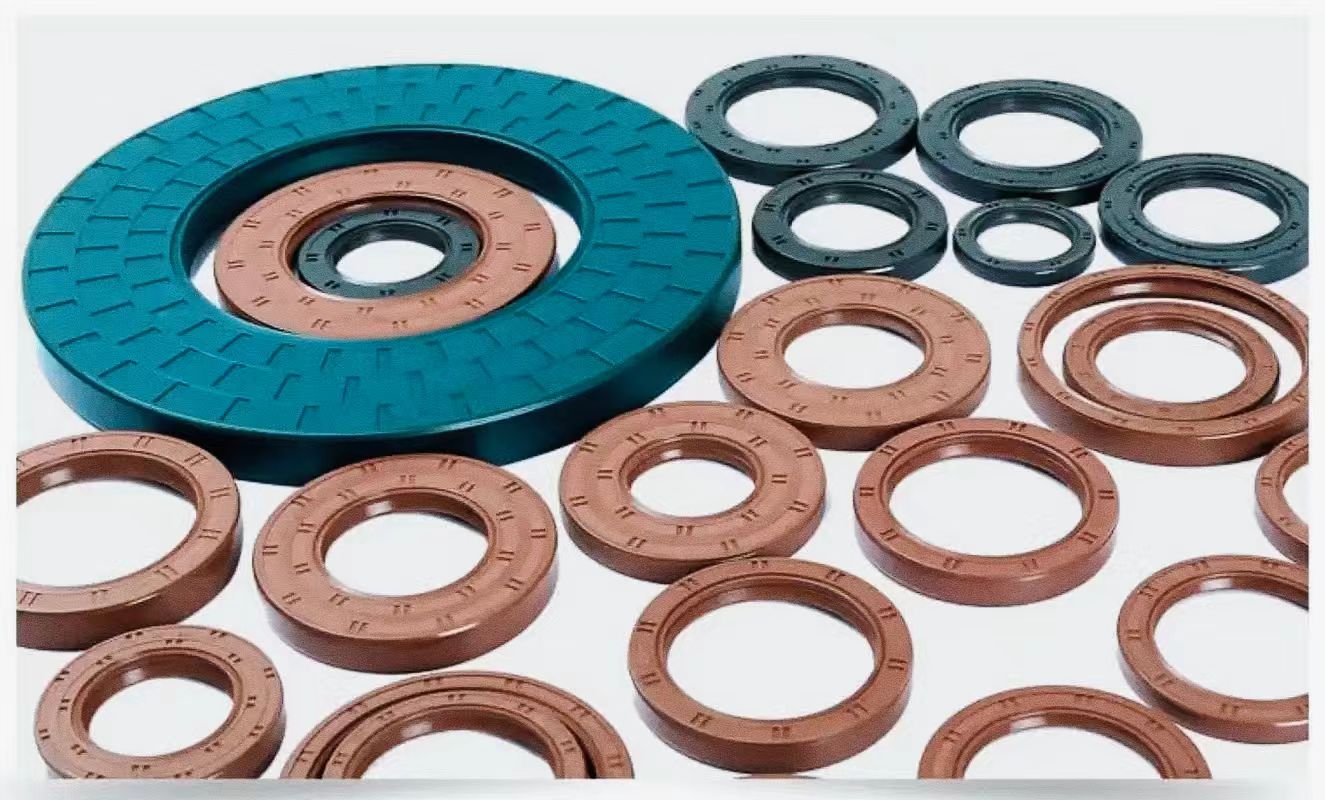
HOVOO / HOUFU hydraulic pump seal kits for Danfoss platforms keep the internal geometry that efficiency depends on within design tolerance. Scheduled seal replacement is one of the few maintenance interventions that directly and measurably maintains low emission performance. HOUFU-compound seals are available in NBR and FKM grades for all Danfoss pump series. Visit hovooseal.com.
Source: www.hovooseal.com


