

 EN
EN
 AR
AR CS
CS DA
DA NL
NL FI
FI FR
FR DE
DE EL
EL IT
IT JA
JA KO
KO NO
NO PL
PL PT
PT RO
RO RU
RU ES
ES SV
SV TL
TL IW
IW ID
ID LV
LV SR
SR SK
SK VI
VI HU
HU MT
MT TH
TH TR
TR FA
FA MS
MS GA
GA CY
CY IS
IS KA
KA UR
UR LA
LA TA
TA MY
MY
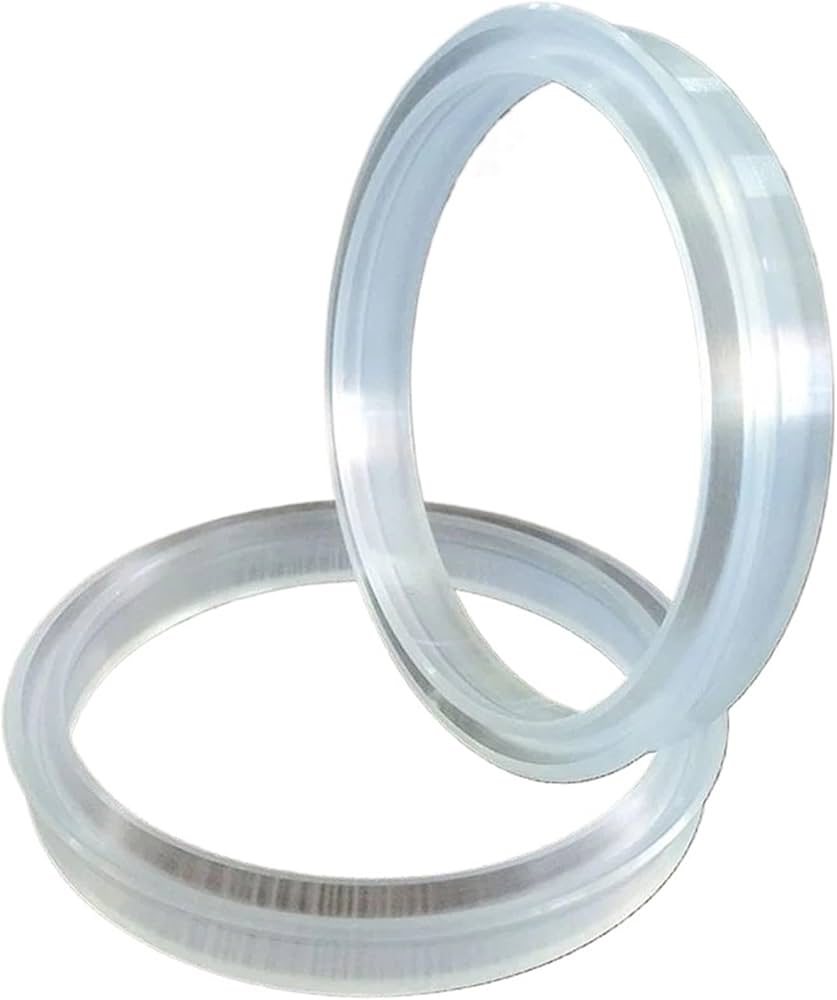
New seals aren't at peak performance on the first percussion cycle — they need a break-in period to seat against the bore and establish the thin, stable oil film that defines their working geometry. Percussion seals typically complete their break-in within 15–25 operating hours: the lip compound micro-deforms against the bore surface finish, filling the Ra 0.4–0.8 μm surface profile valleys, and stabilizes to its operating cross-section. Running a freshly sealed drifter immediately at full percussion pressure and full penetration rate during those first 15–25 hours increases break-in wear by 30–40% compared to a graduated break-in protocol.
The graduated protocol: first 8 hours at 60–70% of rated percussion pressure, monitoring for visible oil weeping at the seal face every 2 hours. Second 8 hours at 80–85% rated pressure. Full pressure from hour 17 onward. This applies to each individual drifter after a seal replacement — it's not a fleet-wide operation schedule change. The cost is modest: a lighter drilling round for the first two shifts after a seal kit change, with the operator communicating the break-in status to the shift supervisor so penetration rate expectations are adjusted accordingly. The payoff is 8–12% longer seal life over the full replacement interval.
Break-In Protocol by Seal Kit Type
Seal Kit Type |
Break-In Duration |
Pressure Protocol |
Monitoring Action |
Percussion circuit full kit (piston + guide + rod seals) |
15–25 hours |
0–8 hrs at 60–70% pressure; 9–17 hrs at 80%; full from hr 17 |
Check for oil weeping at percussion cover every 2 hours for first 8 hours |
Wiper seal only replacement (between full kit changes) |
4–6 hours |
Normal drilling immediately — wiper seal is low-pressure |
Inspect rod surface at end of first shift for scoring indicators |
Accumulator diaphragm replacement |
No break-in required — static seal |
Verify N₂ pre-charge within 5 bar of spec before first percussion |
Check pre-charge again at 50 hours — diaphragm seating may cause minor drift |
Feed cylinder rod seal replacement |
8–10 hours at reduced feed force |
Reduce feed pressure to 60% for first 8 hours |
Check rod surface for scoring at end of break-in period |
Full overhaul — all circuits simultaneously |
25–30 hours graduated full protocol |
60% pressure hours 1–10; 80% hours 11–20; full from hour 21 |
Oil sample at hour 30 to confirm cleanliness — wear debris peaks in break-in |
The oil sample at hour 25–30 after a full overhaul is a diagnostic as much as a verification — the particle count at that sample tells you whether the bore surface is in good condition or was marginal at installation and is shedding accelerated wear debris. HOVOO includes break-in protocol documentation with full-kit seal packages for Sandvik and Atlas Copco drifters. References at hovooseal.com.


