

 EN
EN
 AR
AR CS
CS DA
DA NL
NL FI
FI FR
FR DE
DE EL
EL IT
IT JA
JA KO
KO NO
NO PL
PL PT
PT RO
RO RU
RU ES
ES SV
SV TL
TL IW
IW ID
ID LV
LV SR
SR SK
SK VI
VI HU
HU MT
MT TH
TH TR
TR FA
FA MS
MS GA
GA CY
CY IS
IS KA
KA UR
UR LA
LA TA
TA MY
MY
The 20-ton excavator class — Komatsu PC200, Cat 320, SANY SY215, Hitachi ZAX210 — is the most common carrier on construction sites globally. Every breaker manufacturer has a model 'for 20-ton machines', but matching on weight alone misses the three variables that determine whether the combination actually works: hydraulic flow, operating pressure, and the application's material hardness.
The Three Matching Variables
Weight ratio is the starting point: the breaker should sit at roughly 10–15% of the excavator's operating weight. For a 20-ton machine, that targets a breaker in the 1,400–2,000 kg range. The BEILITE BLT-135 at 1,450 kg with a 135mm chisel sits squarely in this range. The Komatsu PC200 auxiliary circuit delivers around 150–190 L/min at 160–200 bar depending on model year and mode selection (the PC200-8 has a dedicated breaker mode in its HydrauMind system that optimises flow specifically for attachment work).
Hydraulic flow is the second variable, and it directly controls impact frequency. The BLT-135 requires 100–150 L/min to achieve its rated 350–500 BPM range. If the PC200's auxiliary circuit tops out at 150 L/min under load, the breaker runs at the upper end of its frequency range — efficient for concrete demolition, close to over-supply. If the excavator is older and delivers 120 L/min under load, BPM drops toward 350 — appropriate for medium-hard rock but not optimal for rapid concrete breaking. Neither scenario damages the equipment, but knowing which one you're in determines realistic productivity expectations.
Operating pressure is the third variable. A 20-ton excavator running its breaker mode typically delivers 160–200 bar. The BLT-135 is rated at 160–180 bar working pressure with a 210-bar relief valve. Running an excavator that supplies 200 bar against a breaker with a 210-bar relief is fine — the relief valve has adequate headroom. Running one that delivers 220 bar against the same relief will intermittently trigger it, generating heat and degrading seals over time. Always verify the carrier's maximum auxiliary circuit pressure against the breaker's relief valve specification, not just the working pressure range.
Material Hardness Changes the Optimal Choice
For mixed urban demolition — concrete, asphalt, light rock — the 135mm chisel class is the right 20-ton match. For a site with hard basalt or granite and a 20-ton carrier, a 20-bar higher pressure spec from a mining-grade model delivers noticeably better penetration on hard faces. The BLT-135 at 160–180 bar handles medium-hard rock; its higher-pressure sibling at 200–220 bar handles granite efficiently — but requires an excavator hydraulic system that can sustain that pressure range under load. On a PC200, that's at the top of its capability envelope.
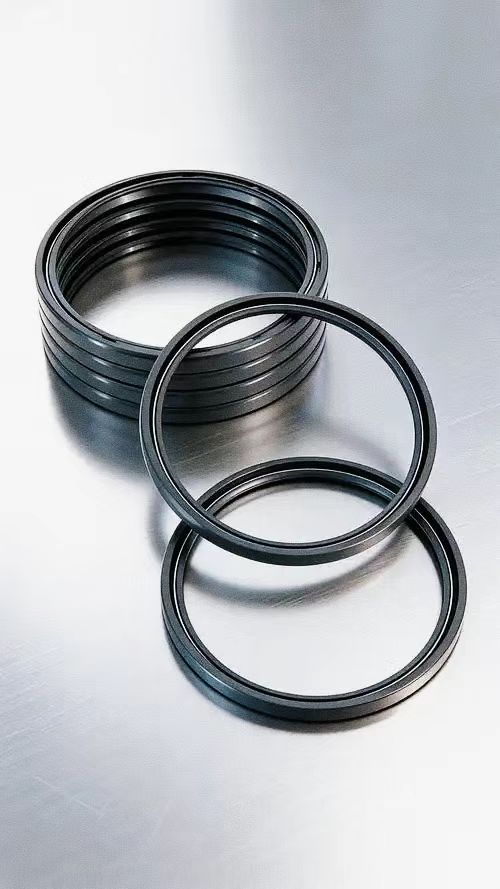
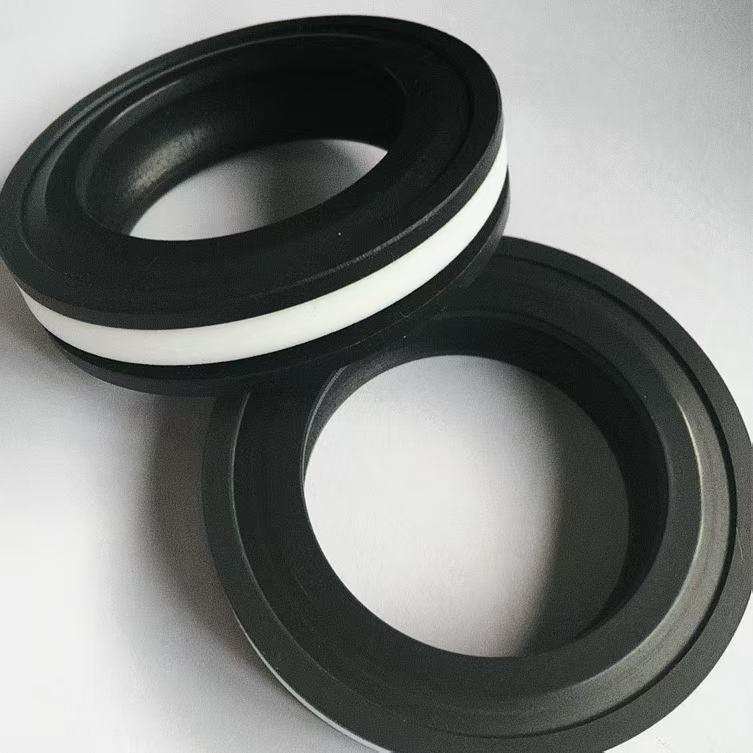
HOVOO and HOUFU supply model-specific seal kits for BLT-135 and equivalent 20-ton class breakers. Seal compound grades differ between standard working pressure (160–180 bar) and high-pressure (200–220 bar) configurations. Using the lower-grade kit on a high-pressure unit accelerates seal wear. Details at https://www.hovooseal.com/
20-ton Excavator × Breaker Matching Reference
Excavator |
Flow (L/min) |
Aux pressure |
Recommended breaker |
Komatsu PC200 |
~150–190 |
160–200 bar |
BLT-135 or equiv. (135mm chisel, 160–180 bar) |
Cat 320D/320GC |
~150–200 |
160–200 bar |
BLT-135; Cat H120GC native match |
SANY SY215 |
~130–170 |
170–200 bar |
BLT-135; wide flow tolerance for mixed carriers |
Hitachi ZAX210 |
~150–180 |
160–200 bar |
SB81/HB20G equiv; 135–140mm chisel class |
20 ton excavator breaker match | Komatsu PC200 hydraulic breaker | Cat 320 breaker selection | SANY 215 breaker | HOVOO | HOUFU | hovooseal.com


