EN
EN
 AR
AR CS
CS DA
DA NL
NL FI
FI FR
FR DE
DE EL
EL IT
IT JA
JA KO
KO NO
NO PL
PL PT
PT RO
RO RU
RU ES
ES SV
SV TL
TL IW
IW ID
ID LV
LV SR
SR SK
SK VI
VI HU
HU MT
MT TH
TH TR
TR FA
FA MS
MS GA
GA CY
CY IS
IS KA
KA UR
UR LA
LA TA
TA MY
MY
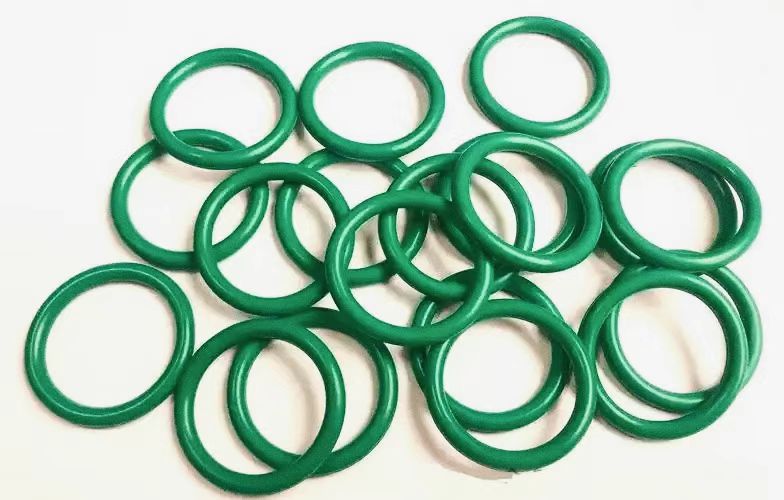
Eco-compatible seal compounds — HOVOO / HOUFU
Energy and Emission Reduction Is a System Problem, Not a Product Problem
Hydraulic breaker energy saving and emission reduction discussions in industry reports focus on the breaker attachment itself: lower-energy reciprocating valve designs, energy recovery accumulators, reduced hydraulic flow requirements for equivalent BPM. These improvements are real and measurable. A modern mid-class breaker requires 15–20% less carrier flow to achieve the same BPM as its equivalent of ten years ago, primarily through improved valve timing efficiency. But the hydraulic breaker is not the largest energy consumer in the system it is part of — the carrier diesel engine is. A 20-tonne excavator engine producing 120 kW consumes 15–20% of that output in hydraulic circuit inefficiencies before the oil reaches the breaker. Reducing the breaker's flow requirement by 15% has a smaller absolute energy effect than keeping the carrier's hydraulic oil clean enough to maintain circuit efficiency. The emission reduction achieved by transitioning to a new efficient breaker model is typically smaller than the emission penalty from operating an existing breaker on hydraulic oil contaminated past optimal viscosity.
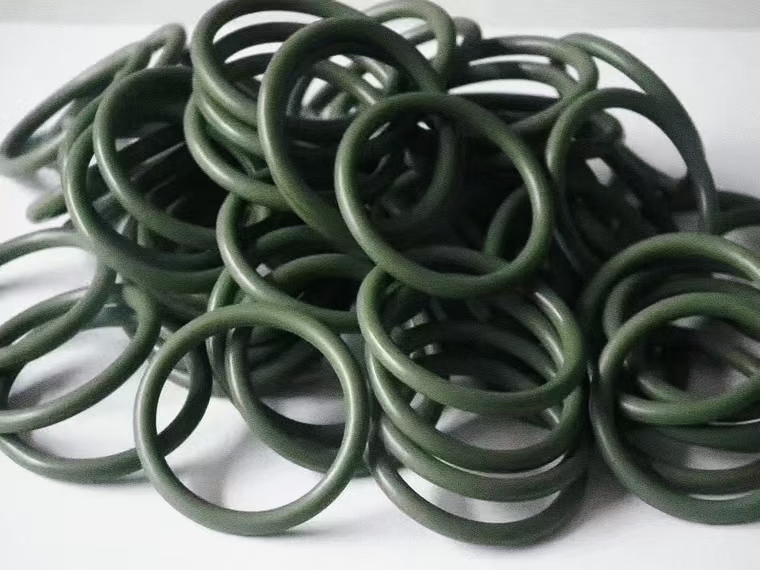
The technologies receiving the most development investment for emission and energy reduction are electric carrier compatibility, biodegradable hydraulic fluid compatibility, and reduced-noise housing designs. Biodegradable hydraulic oil compatibility is the one that directly affects seal specification: standard mineral oil seals (NBR, FKM) generally perform well with vegetable-ester biodegradable hydraulic fluids, but polyurethane seal compounds in some older designs can swell or degrade in contact with synthetic ester fluids. HOVOO and HOUFU seal compounds are formulated for compatibility with the major biodegradable hydraulic fluid categories used in European and Australian environmental-permit applications — esters and polyalkylene glycols — in addition to standard mineral oil service.
Energy recovery accumulators — dual-accumulator designs that store piston recoil energy and release it on the next downstroke — are the most significant breaker-level efficiency gain available without redesigning the carrier circuit. The efficiency improvement is 8–15% in sustained hard rock breaking, smaller in intermittent lighter work. The accumulator diaphragm in an energy recovery design sees a higher flex cycle rate than in a standard design; HOVOO FKM diaphragm kits with 95% elasticity retention after 2 million flex cycles are specified for energy recovery accumulator applications.
Technology |
Mechanism |
Emission/energy benefit |
Seal implication |
Improved valve timing |
Shorter valve transition reduces dead-stroke oil waste |
10–20% flow reduction for equivalent BPM; lowers carrier fuel consumption at rated duty |
HOVOO NBR-H or FKM valve seat seals; unchanged from standard specification |
Biodegradable oil compatibility |
Mineral-oil seals replaced with ester-compatible compounds |
Permits operation in environmentally sensitive sites; enables green-site certification |
HOVOO/HOUFU ester-compatible seal kits; verify compatibility with the specific biodegradable oil brand before specifying |
Energy recovery accumulator |
Dual accumulator stores recoil energy for next downstroke |
8–15% impact energy gain at same carrier flow; lower fuel per tonne broken |
HOVOO FKM diaphragm rated for accelerated flex cycle rate in dual-accumulator design |
The Practice That Saves More Energy Than Any Component Upgrade
Oil cleanliness is the single most effective energy-saving and emission-reducing practice available to any hydraulic breaker fleet operator. Hydraulic oil contaminated with 5 mg/L of particulate causes internal circuit leakage of 3–8% in typical breaker valve assemblies. That leakage represents oil pumped but not converted to piston work — it is waste energy that the carrier engine must produce and that appears as fuel consumption with no corresponding breaking output. An ISO cleanliness standard of 18/16/13 is achievable in most construction environments with regular filter changes and sealed hose connections; maintaining it consistently on a ten-unit fleet saves more fuel annually than upgrading each unit to the next-generation low-flow model. The filter costs a fraction of the fuel saving. The discipline of maintaining cleanliness is harder to sustain than any equipment purchase, and it is the practice that separates low-fuel-consumption fleets from high-fuel-consumption ones running ostensibly the same equipment.