

 EN
EN
 AR
AR CS
CS DA
DA NL
NL FI
FI FR
FR DE
DE EL
EL IT
IT JA
JA KO
KO NO
NO PL
PL PT
PT RO
RO RU
RU ES
ES SV
SV TL
TL IW
IW ID
ID LV
LV SR
SR SK
SK VI
VI HU
HU MT
MT TH
TH TR
TR FA
FA MS
MS GA
GA CY
CY IS
IS KA
KA UR
UR LA
LA TA
TA MY
MY
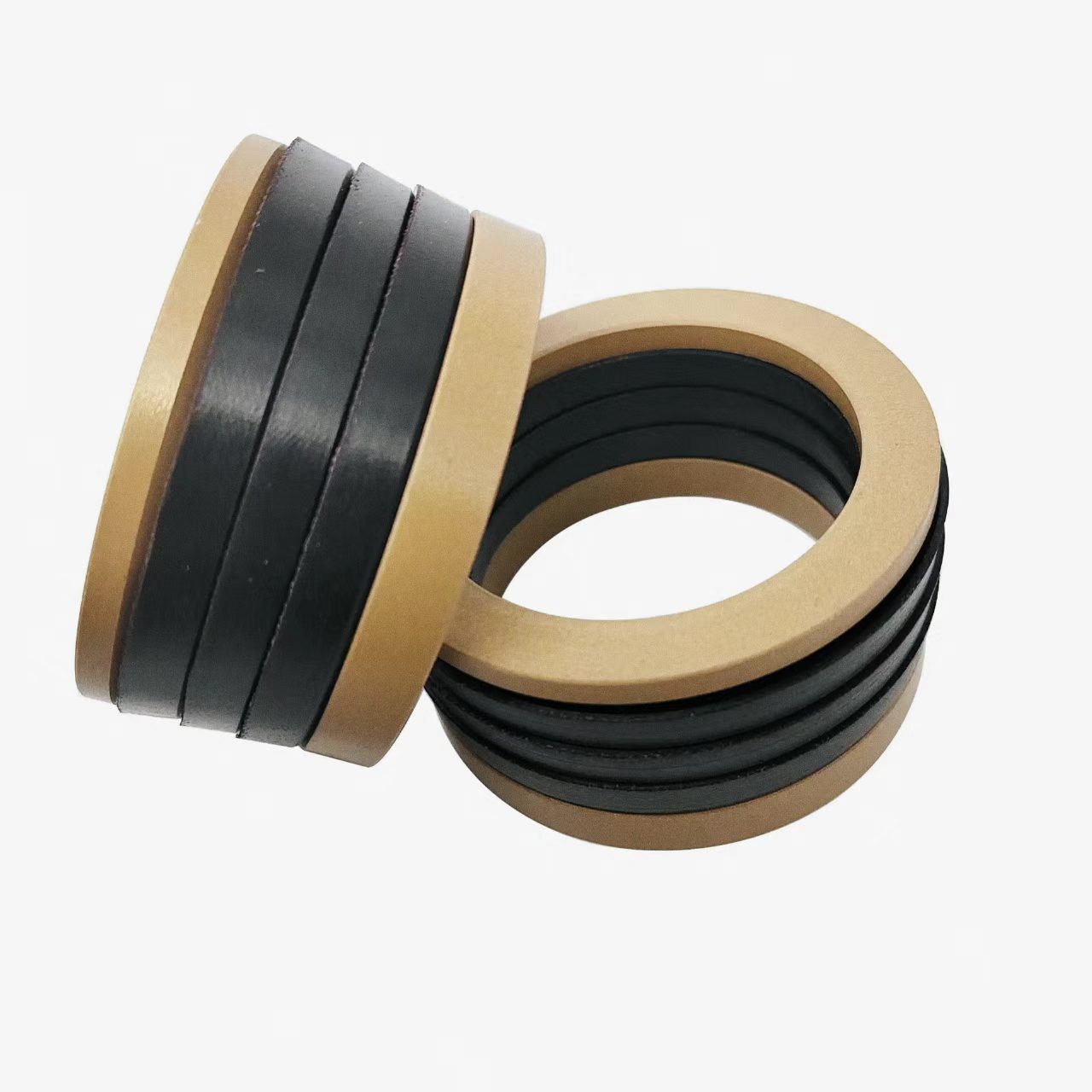
The term 'impact hammer' covers several different products — pneumatic jackhammers, diesel-drop hammers, electric demolition hammers — and each is genuinely suited to different tasks. Hydraulic breakers mounted on excavators are not the universal solution, despite their dominance in most construction and mining applications. Understanding when each technology actually fits the scenario matters for project efficiency and cost.
Why Hydraulic Breakers Replaced Pneumatics in Most Applications
Krupp Berco Bautechnik patented the first hydraulic percussion mechanism in 1963, and by 1966 the first hydraulic breaker was in series production. The replacement of pneumatic breakers as the primary tool for heavy demolition was not gradual — once excavator-mounted hydraulic breakers were available, the advantages over compressor-based systems were immediate and decisive. Hydraulic breakers draw power from the carrier's existing hydraulic pump; no compressor is needed. BEILITE's published comparison puts hydraulic impact force at 30–40 times higher than pneumatic equivalents at the same machine size. Compressor transport, hose management, and air moisture issues are eliminated.
Five-year total operating cost comparisons from industry sources consistently show hydraulic systems running 40–50% lower than equivalent pneumatic setups when compressor capital cost, fuel, maintenance, and labour are included. The maintenance advantage is structural: the excavator's hydraulic system handles filtration, cooling, and pressure regulation; the breaker requires only seal kit replacements, chisel changes, and nitrogen pressure checks.
Where Pneumatic and Handheld Impact Tools Remain the Right Answer
Hydraulic breakers require a carrier. This eliminates them from any application where an excavator cannot physically reach the work face. Interior demolition of individual structural elements in an occupied building — removing a load-bearing section, cutting openings, breaking isolated slabs in a multi-story structure — is often faster and less disruptive with a handheld electric demolition hammer than bringing a 10-ton mini excavator into the building.
Underground utility trenching in urban areas sometimes uses pneumatic jackhammers where the trench is narrow and the excavator boom cannot reach the work depth at a useful angle. In these cases, the pneumatic tool is not technically superior — it's geometrically accessible in a way the excavator-mounted unit is not. Very small concrete repair patches, tile removal, and indoor renovation work that an excavator cannot access also remain legitimate pneumatic applications.
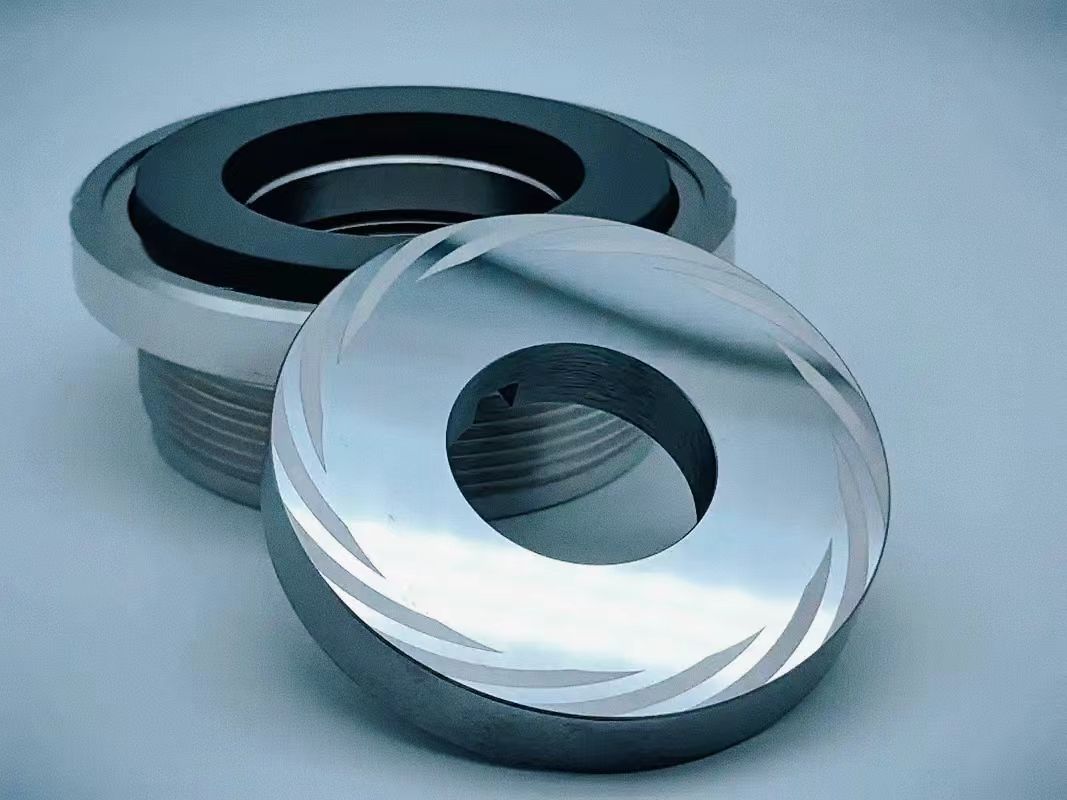
HOVOO and HOUFU supply seal kits and chisel sets for BEILITE hydraulic breakers across the full size range — from compact units for mini excavators used in constrained urban sites, to heavy mining class. Details at https://www.hovooseal.com/
Application Scenario Selection Reference
Scenario |
Choose hydraulic breaker |
Choose impact / pneumatic hammer |
Hard rock primary breaking |
Always — 200–270 bar, 175mm+ chisel |
Never — pneumatic lacks the threshold energy for granite |
Urban concrete demolition |
Usually — silenced box-type for noise compliance |
Handheld pneumatic for small patches, tight indoor access only |
Underground utility trenching |
Hydraulic if excavator present; compact class |
Pneumatic acceptable for small-diameter utility trench work |
Post-blast secondary breaking |
Hydraulic preferred — consistent energy, no compressor |
Pneumatic possible for very small fragments; labour-intensive |
Remote site, no excavator on-site |
Not applicable — requires carrier |
Pneumatic or electric handheld; only viable option |
hydraulic breaker vs pneumatic impact hammer | construction scenario comparison | when to use hydraulic vs pneumatic | excavator mounted breaker advantages | HOVOO | HOUFU | hovooseal.com


