

 EN
EN
 AR
AR CS
CS DA
DA NL
NL FI
FI FR
FR DE
DE EL
EL IT
IT JA
JA KO
KO NO
NO PL
PL PT
PT RO
RO RU
RU ES
ES SV
SV TL
TL IW
IW ID
ID LV
LV SR
SR SK
SK VI
VI HU
HU MT
MT TH
TH TR
TR FA
FA MS
MS GA
GA CY
CY IS
IS KA
KA UR
UR LA
LA TA
TA MY
MY
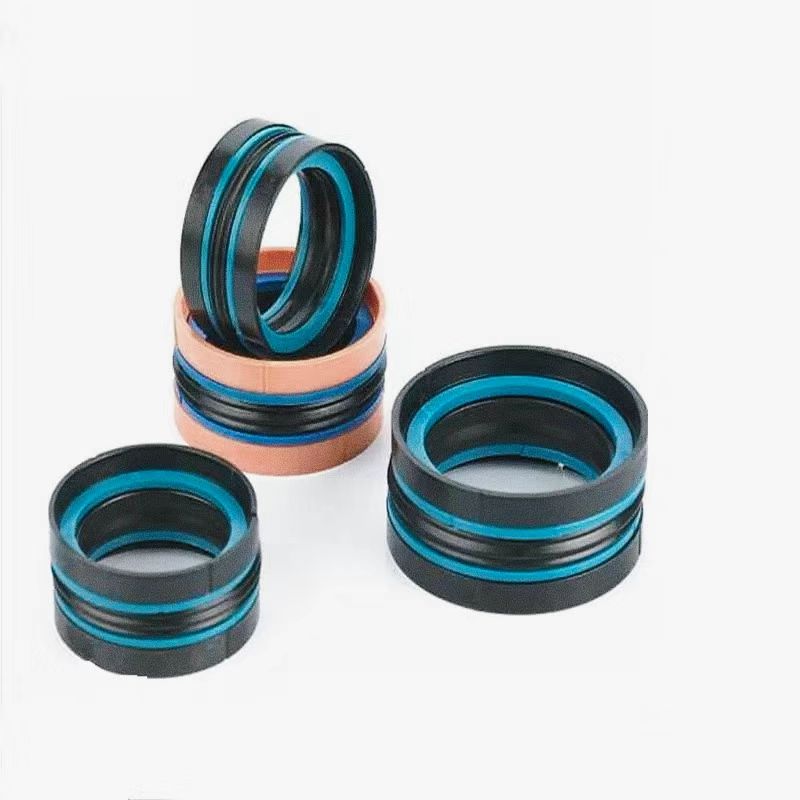
A leaking hydraulic ram is one of those problems that rarely fixes itself and tends to get worse at the least convenient time. The good news is that hydraulic ram repair kits contain everything needed to restore a cylinder to full working condition, and the job itself is well within the capability of anyone comfortable with basic mechanical work. What it requires is methodical preparation, not specialized skill.
Before Any Wrenches Come Out
Fully extend the ram and clean the rod and body with solvent before disassembly. Any contamination sitting on the rod surface will transfer directly into the bore when the rod is withdrawn — negating the entire purpose of a seal replacement job. If the rod surface has visible scoring, corrosion, or impact damage, address that before installing new seals; even minor surface defects will cut through polyurethane rod seals within a few hundred operating cycles.
Disassembly Sequence
Remove the end cap or gland nut — usually a large hex or a spanner-flat collar — and withdraw the piston rod assembly from the barrel. Keep the rod horizontal as it exits to avoid scratching the bore edge. Lay all components on a clean surface in removal order. Photograph the assembly before removing seals: knowing which face of a seal was inward saves time during reassembly and prevents the reversed-lip installation error that accounts for a notable share of repeat failures.
Component |
Typical Material |
Failure Sign |
Action |
Piston seal |
Polyurethane |
Bypassing, slow drift |
Replace |
Rod seal |
NBR / FKM |
External weeping at rod |
Replace |
Wiper seal |
NBR / PU |
Contamination ingress |
Replace |
Backup ring |
PTFE |
O-ring extrusion |
Replace |
O-ring (static) |
NBR |
Weeping at end cap |
Replace |
Fitting New Seals Correctly
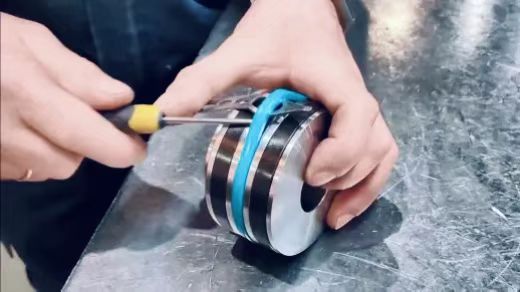
Lubricate all new seals generously with clean hydraulic fluid — the same fluid the cylinder will operate with. Slide polyurethane piston seals over the piston using your fingers, not tools; the material is flexible enough to fit without instrumentation, and tool marks create stress concentrations that initiate early failure. For lip seals, confirm orientation before pressing: the sealing lip faces the pressurized side.
PTFE backup rings sometimes need light warming — holding them in warm (not hot) water for a minute softens them enough to seat into grooves cleanly without folding. A folded backup ring is invisible during assembly but allows o-ring extrusion at operating pressure.
Reassembly and First Stroke
Re-engage the gland nut finger-tight, then torque to specification. Over-tightening compresses the rod seal stack and increases rod friction; under-tightening allows the gland to back off under pressure cycling. Cycle the ram slowly through several strokes at low pressure before applying full system pressure. HOVOO / HOUFU hydraulic ram repair kits include all components shown above. Available at hovooseal.com.
Source: www.hovooseal.com


