

 EN
 AR
 CS
 DA
 NL
 FI
 FR
 DE
 EL
 IT
 JA
 KO
 NO
 PL
 PT
 RO
 RU
 ES
 SV
 TL
 IW
 ID
 LV
 SR
 SK
 VI
 HU
 MT
 TH
 TR
 FA
 MS
 GA
 CY
 IS
 KA
 UR
 LA
 TA
 MY

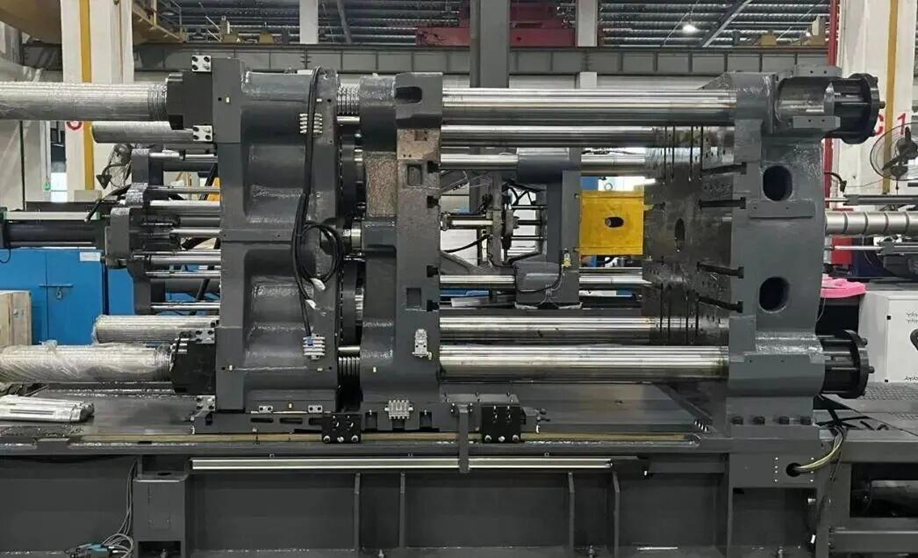
On a clamping cylinder of an injection molding machine, a Glyd Ring was fitted. On pressurizing, the hold test dropped pressure immediately. Taken apart, the PTFE ring was intact and the O-ring was fine, with no damage at all.
This is the most maddening kind of failure: every part is good, yet it does not seal.
That is because the failure mechanism of a Glyd Ring is completely different from that of an O-ring. An O-ring is an elastomer; when it fails it nibbles, rolls over or hardens. The PTFE ring in a Glyd Ring is a plastic. It does not nibble; it simply flows away slowly.
01 Its Sealing Force Is Borrowed
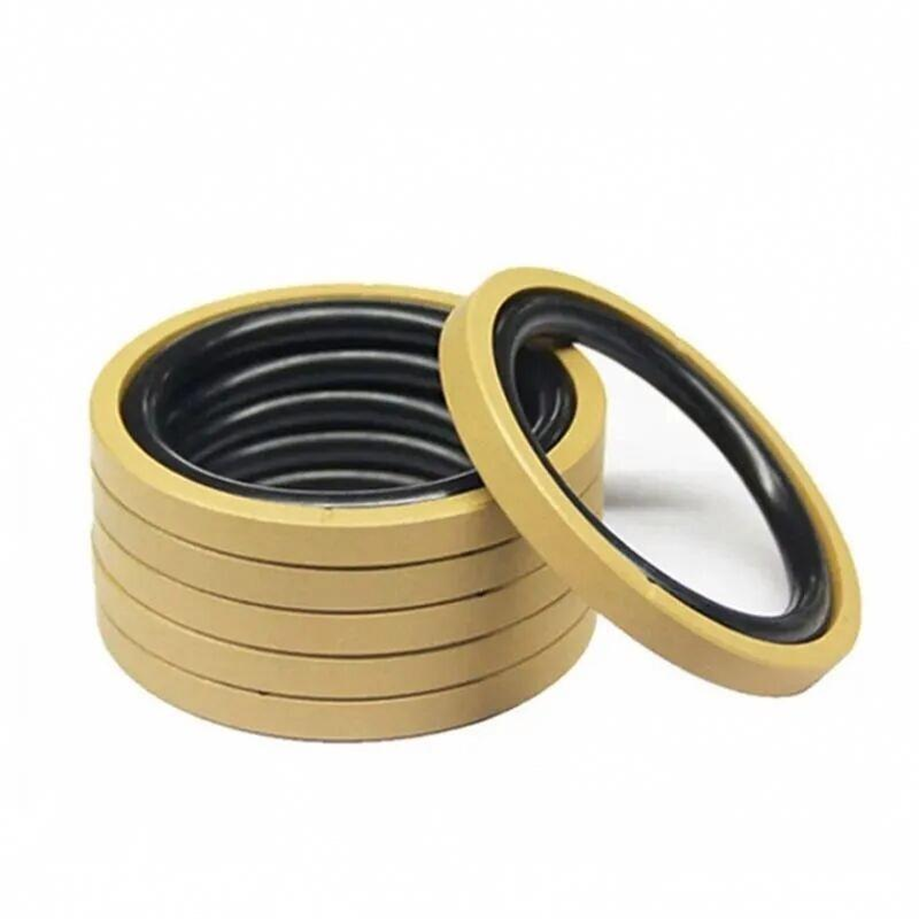
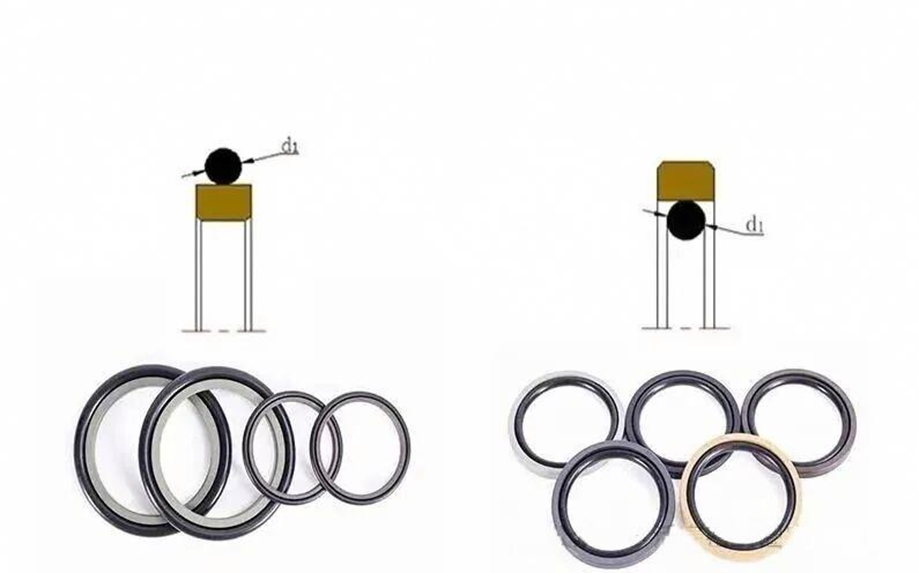
Glyd Ring = PTFE slipper ring + O-ring. The layer that actually touches the cylinder bore is PTFE, but it has no elasticity of its own and almost no rebound.
The force that holds it against the cylinder wall comes from the radial thrust produced when the O-ring behind it is compressed.
So the logic of this structure is: the O-ring “pushes,” and the PTFE “contacts.” Once the O-ring is under-compressed, swollen by the medium or softened by temperature, the PTFE ring loses its backing, and sits against the cylinder wall without pressing firmly.
Then gauge pressure drops fast, but nothing is found when it is opened up, because it was only ever “touching lightly.”
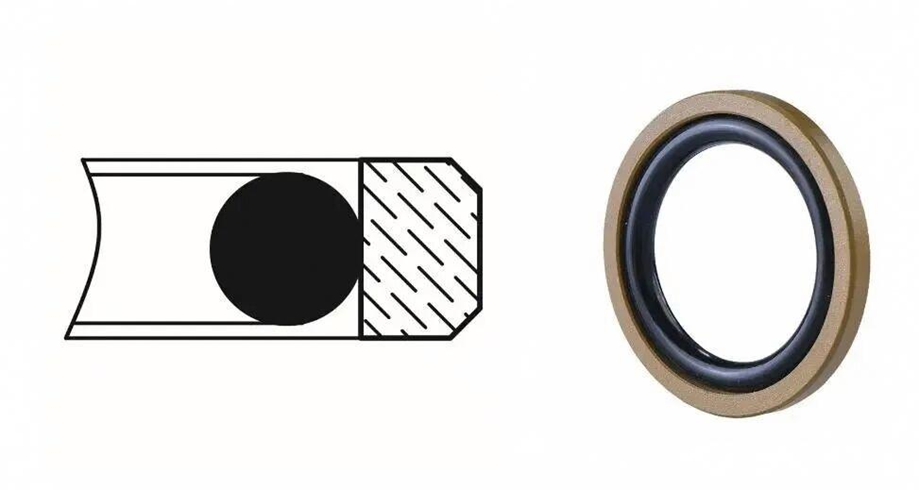
02 The Most Common Mistake: Using an O-ring Groove for a Glyd Ring
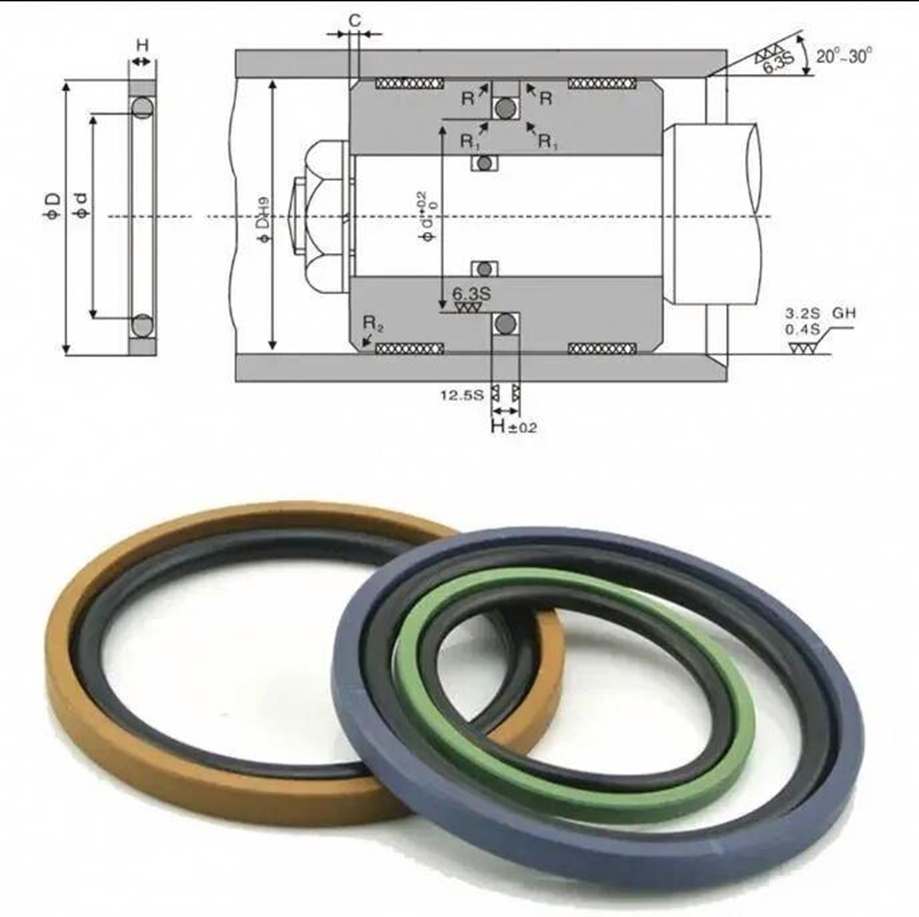
This is the thing I see most often. The designer has only an O-ring handbook, and uses the groove depth and width calculated from it directly for a Glyd Ring.
The result: if the groove is too deep, the PTFE ring sinks in and contact stress is insufficient; if it is too narrow, the fill ratio blows past its limit, and the PTFE is squeezed with nowhere to go but the clearance.
The groove depth for a Glyd Ring is set by the PTFE ring thickness plus the compressed height of the O-ring together. The two parts share one groove, and neither can be calculated alone. Its compression range also differs from an O-ring: for PTFE composite structures it generally falls at 10%–20%, and for hard PTFE it can reach 15%–25%, far more conservative than rubber.
The fill ratio must also be controlled. The recommended range for PTFE systems is 65%–90%, which looks wider than for an O-ring, but that room is left for “cold flow.” PTFE creeps under pressure; if you do not leave it room, it finds its own, and that place is the clearance.
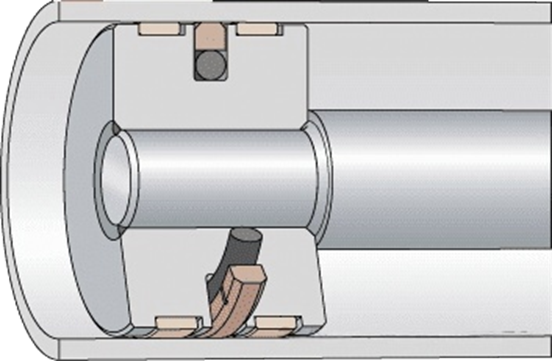
03 Cold Flow: It Is Not Broken, It Has “Flowed” Away
PTFE undergoes cold flow (creep) under sustained pressure. The higher the temperature, the faster the flow.
What does it look like? A new installation holds pressure normally, then after a week or two it starts to seep slowly, and seeps more the longer it runs. Measure the PTFE ring thickness after removal, and it is 0.03 to 0.08 thinner than the drawing.
It has not vanished; it has flowed into the clearance. So cold flow has two control points. One is the fit clearance: be especially careful when the clearance between cylinder and piston exceeds 0.3. The other is the material: pure PTFE flows most easily, while formulations with glass fiber, carbon fiber or bronze resist creep markedly better. When selecting, do not look only at “is it PTFE.”
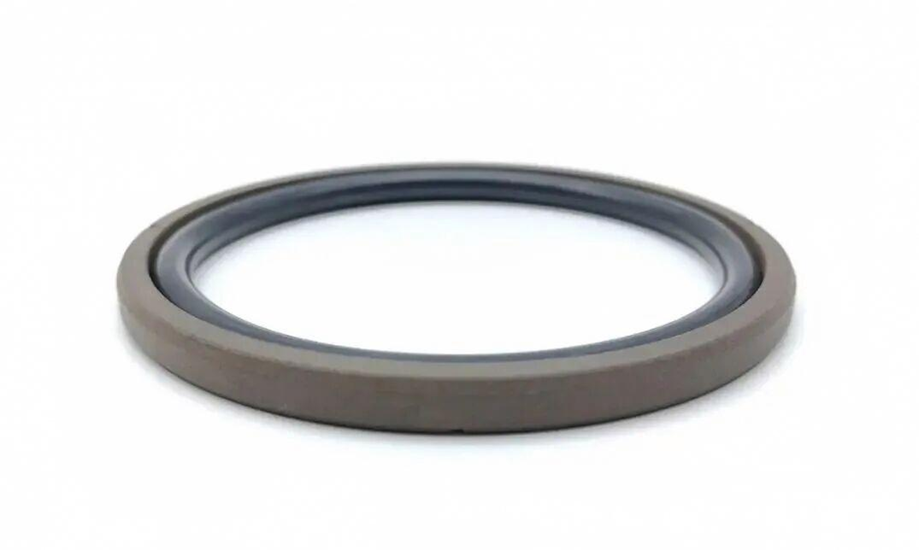
04 Two Actions During Installation That Will Ruin It
A PTFE ring has almost no elasticity. If it is forced open and slipped on, it remembers that deformation and cannot recover.
The correct way: use an installation sleeve, or soak the ring in hot oil or hot water at 80–100°C until it softens before fitting. For a ring with a split, stagger the split by 180° and do not open it toward the leak direction.
The second action is more hidden: prying it in with a screwdriver. The scratch left on the lip is almost invisible to the naked eye, but that scratch is a leak path. I have seen this kind of case three times, all from “slightly catching it during installation.”
05 Temperature Amplifies Cold Flow
The linear expansion coefficient of PTFE is more than ten times that of steel. When temperature rises, it expands and softens, and the cold flow rate climbs by multiples.
So when using a Glyd Ring at high temperature, three things must be done together: choose a filled formulation (pure PTFE flows most easily), tighten the clearance, and if necessary add a back-up ring on the low-pressure side. Do only one, and the other two will cancel it out.
Low temperature is the reverse: PTFE turns brittle and cracks more easily during assembly. If you fit this in a workshop without heating in winter, it is best to soak it in hot oil first.
06 Sometimes You Should Not Use It
A Glyd Ring is not a “premium O-ring.” Its value lies in high pressure, high speed, low friction and long life.
For applications below 5 MPa, with short strokes and modest requirements, an ordinary O-ring or U-ring is better value: cheaper, easier to machine the groove, and not fussy about installation tools. Forcing in a Glyd Ring means paying three times the price for performance you cannot use, and adding a new variable that is highly sensitive to groove precision.
I have seen a small machine where a perfectly good O-ring was changed to a Glyd Ring because it “looked more professional.” After the change it began to seep. After two weeks of investigation, the cause turned out to be insufficient groove precision, so the PTFE ring could not seat firmly. Changed back, it was fine.
07 One Easily Confused Pair: Step Seal and Glyd Ring
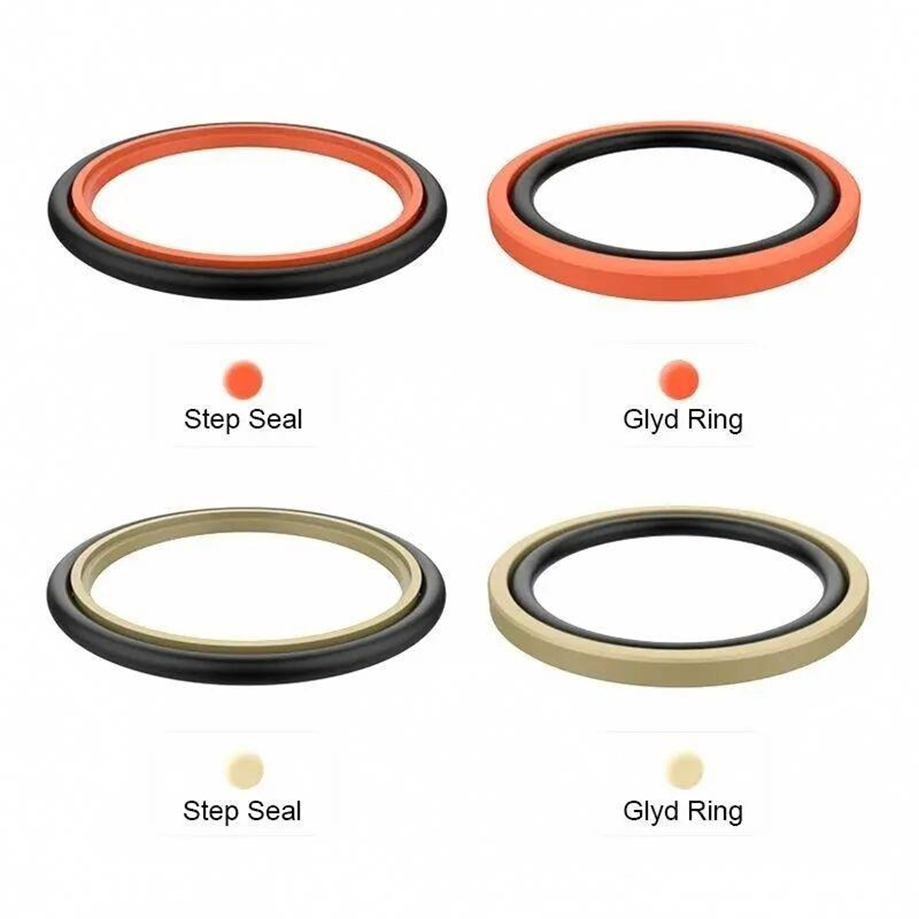
These two are often treated as the same thing, but their structures differ, and using one the wrong way round leaks immediately.
A Glyd Ring is a PTFE ring plus an O-ring, double-acting, generally used on pistons, sealing on both sides.
A Step Seal usually has a back-up ring structure, is mostly single-acting, and is used on piston rods together with a wiper.
Fit a single-acting seal where pressure acts in both directions, and in the reverse stroke it has no sealing ability. The symptom is “normal in one direction, leaking in the other.” This phenomenon is very distinctive; when you see it, do not suspect the dimensions first, check whether the part number is right.
One more difference in attitude toward dimensions: with an O-ring groove, a dimensional error can still be covered by rubber elasticity; with a Glyd Ring groove, there is no such backstop, because PTFE does not give way. So for the same drawing, tolerances can be a little looser for an O-ring, but must be tightened by one grade for a Glyd Ring. Many drawings do not reflect this difference.
So for a Glyd Ring, the order of diagnosis is the reverse of an O-ring: first suspect preload (is the O-ring compression sufficient), then suspect cold flow (clearance and material), and only last look at the PTFE ring itself.
One question for you: what clearance do you usually set between the cylinder bore and the piston where you use Glyd Rings? In the samples I have seen, both 0.15 and 0.35 occur, and life differs enormously. I would like to collect actual values.
Table of Contents
- On a clamping cylinder of an injection molding machine, a Glyd Ring was fitted. On pressurizing, the hold test dropped pressure immediately. Taken apart, the PTFE ring was intact and the O-ring was fine, with no damage at all.
- This is the most maddening kind of failure: every part is good, yet it does not seal.
- That is because the failure mechanism of a Glyd Ring is completely different from that of an O-ring. An O-ring is an elastomer; when it fails it nibbles, rolls over or hardens. The PTFE ring in a Glyd Ring is a plastic. It does not nibble; it simply flows away slowly.
- 01 Its Sealing Force Is Borrowed
- Glyd Ring = PTFE slipper ring + O-ring. The layer that actually touches the cylinder bore is PTFE, but it has no elasticity of its own and almost no rebound.
- The force that holds it against the cylinder wall comes from the radial thrust produced when the O-ring behind it is compressed.
- So the logic of this structure is: the O-ring “pushes,” and the PTFE “contacts.” Once the O-ring is under-compressed, swollen by the medium or softened by temperature, the PTFE ring loses its backing, and sits against the cylinder wall without pressing firmly.
- Then gauge pressure drops fast, but nothing is found when it is opened up, because it was only ever “touching lightly.”
- 02 The Most Common Mistake: Using an O-ring Groove for a Glyd Ring
- This is the thing I see most often. The designer has only an O-ring handbook, and uses the groove depth and width calculated from it directly for a Glyd Ring.
- The result: if the groove is too deep, the PTFE ring sinks in and contact stress is insufficient; if it is too narrow, the fill ratio blows past its limit, and the PTFE is squeezed with nowhere to go but the clearance.
- The groove depth for a Glyd Ring is set by the PTFE ring thickness plus the compressed height of the O-ring together. The two parts share one groove, and neither can be calculated alone. Its compression range also differs from an O-ring: for PTFE composite structures it generally falls at 10%–20%, and for hard PTFE it can reach 15%–25%, far more conservative than rubber.
- The fill ratio must also be controlled. The recommended range for PTFE systems is 65%–90%, which looks wider than for an O-ring, but that room is left for “cold flow.” PTFE creeps under pressure; if you do not leave it room, it finds its own, and that place is the clearance.
- 03 Cold Flow: It Is Not Broken, It Has “Flowed” Away
- PTFE undergoes cold flow (creep) under sustained pressure. The higher the temperature, the faster the flow.
- What does it look like? A new installation holds pressure normally, then after a week or two it starts to seep slowly, and seeps more the longer it runs. Measure the PTFE ring thickness after removal, and it is 0.03 to 0.08 thinner than the drawing.
- It has not vanished; it has flowed into the clearance. So cold flow has two control points. One is the fit clearance: be especially careful when the clearance between cylinder and piston exceeds 0.3. The other is the material: pure PTFE flows most easily, while formulations with glass fiber, carbon fiber or bronze resist creep markedly better. When selecting, do not look only at “is it PTFE.”
- 04 Two Actions During Installation That Will Ruin It
- 06 Sometimes You Should Not Use It


