33-99No. Mufu E Rd. Gulou District, Nanjing, China [email protected] | [email protected]
33-99No. Mufu E Rd. Gulou District, Nanjing, China [email protected] | [email protected]
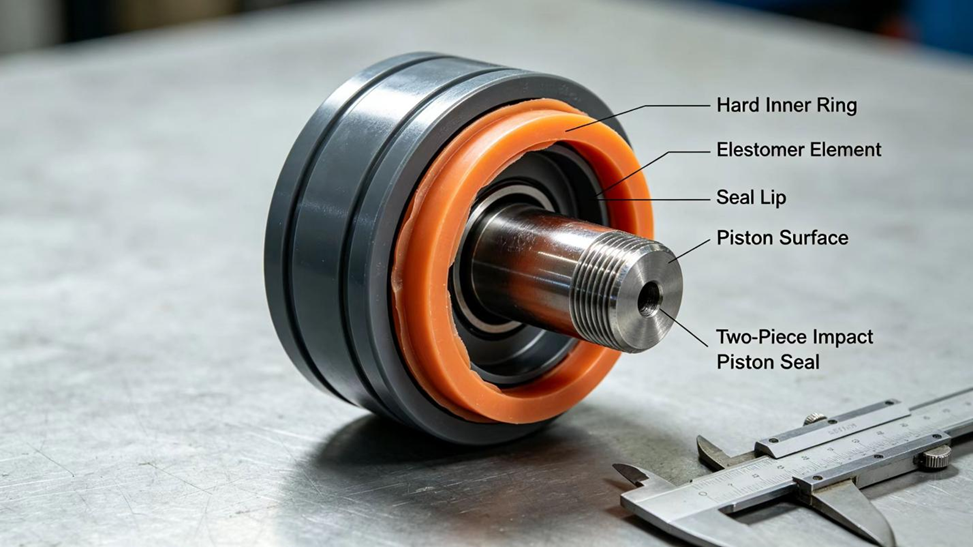
An impact piston seal works in one of the harshest positions in a hydraulic circuit. The oil around it is hot, the pressure is pulsating, and the piston it seals against moves quickly in a short stroke, many times a second. No single material handle...
VIEW MORE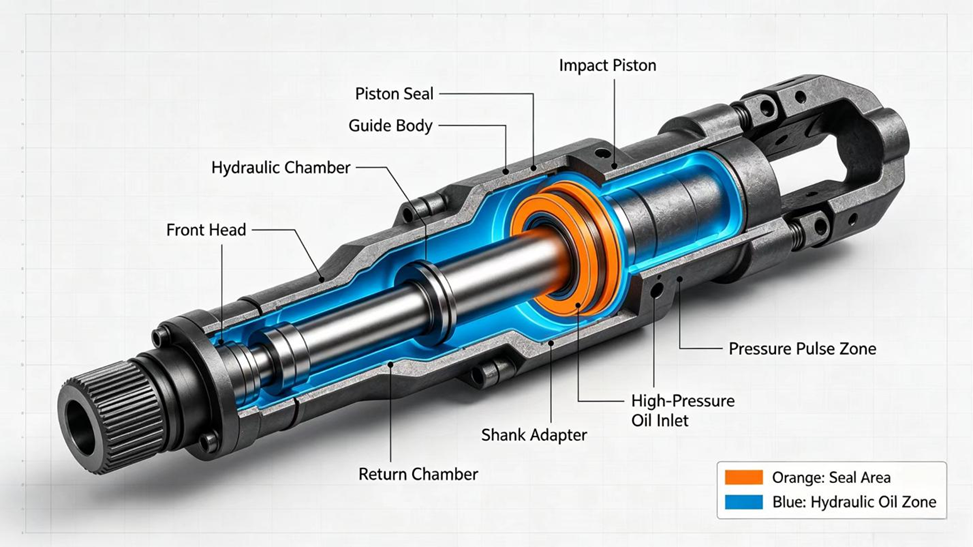
The impact piston is the part of a hydraulic rock drill that does the work: it is driven back and forth at high frequency and strikes the shank adapter on every cycle. The seal that surrounds it has a hard job. It has to separate oil chambers that ar...
VIEW MORE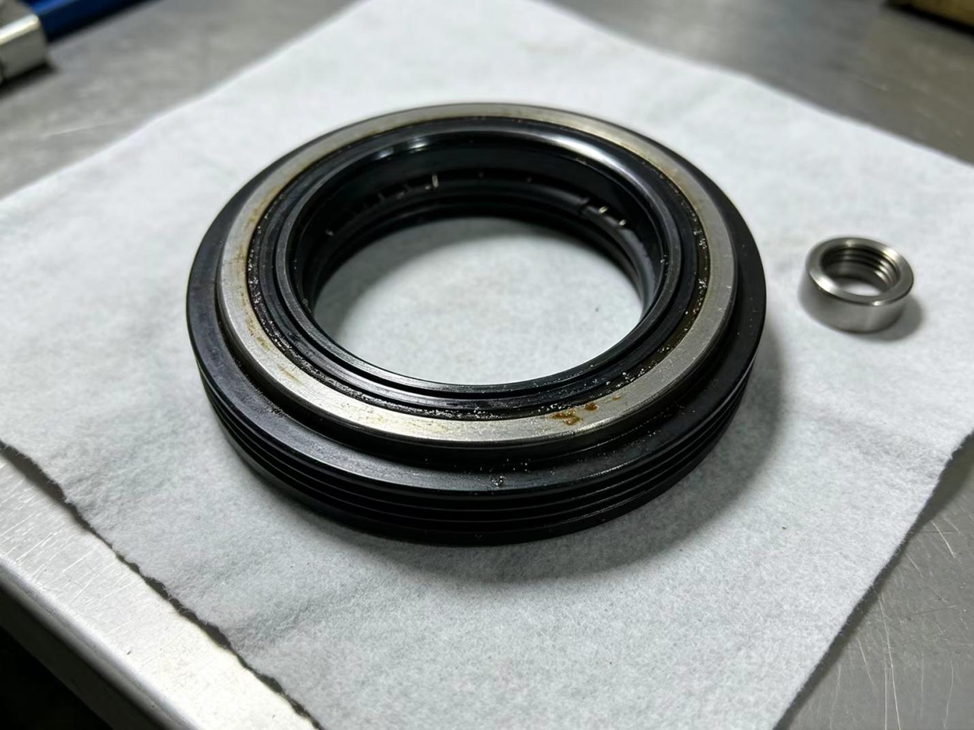
A rotation motor shaft seal spends its entire service life in one continuous state: a flexible lip pressed against a shaft that never stops turning while the drill is running. That constant sliding contact, combined with exposure to the motor's case...
VIEW MORE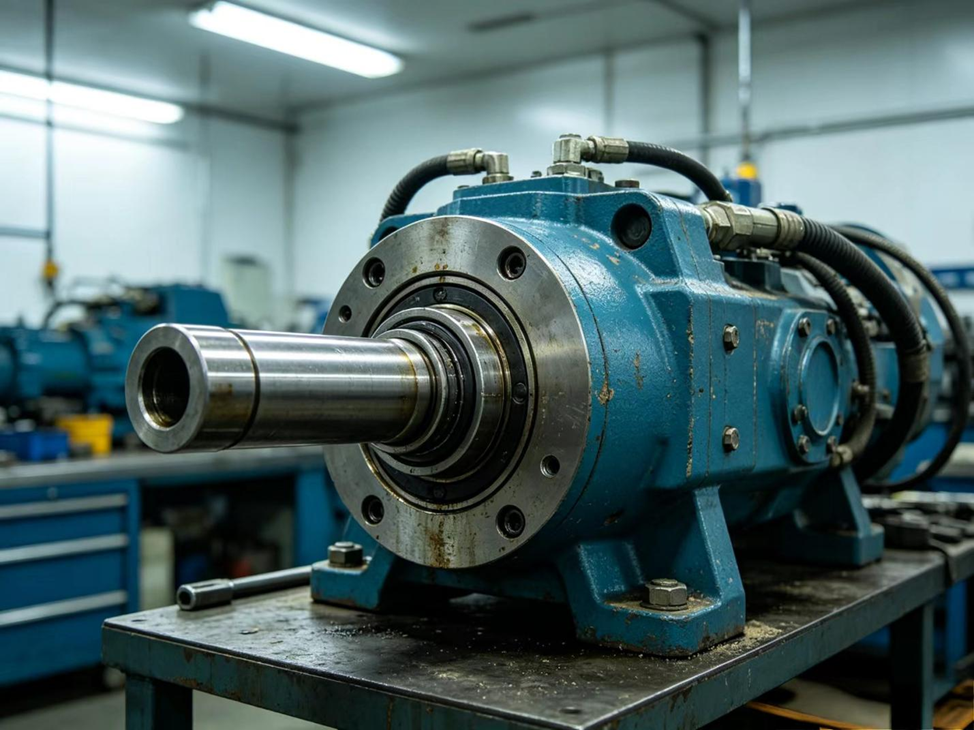
The hydraulic motor that rotates a rock drill's shank adapter has an output shaft spinning continuously inside a case full of lubricating oil, and a small rubber seal is all that keeps that oil from working its way out along the shaft. This seal see...
VIEW MORE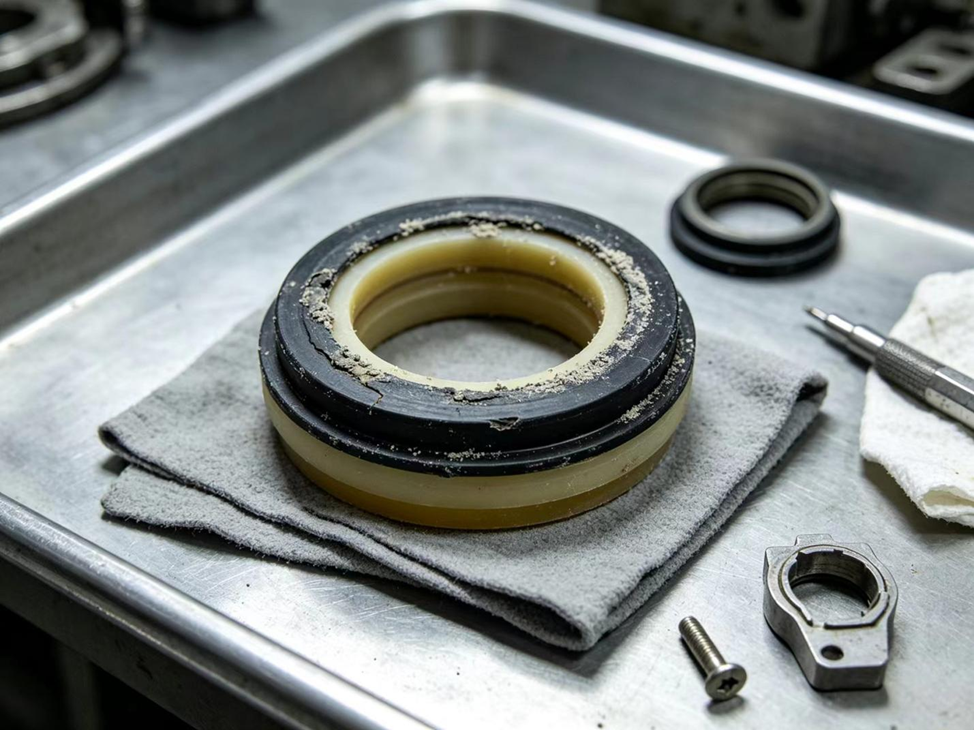
A rock drill dust seal has a narrower job than most other seals on the machine — it excludes contamination rather than holding back pressurized fluid — but that narrower job still comes with its own material demands. This article looks a...
VIEW MORE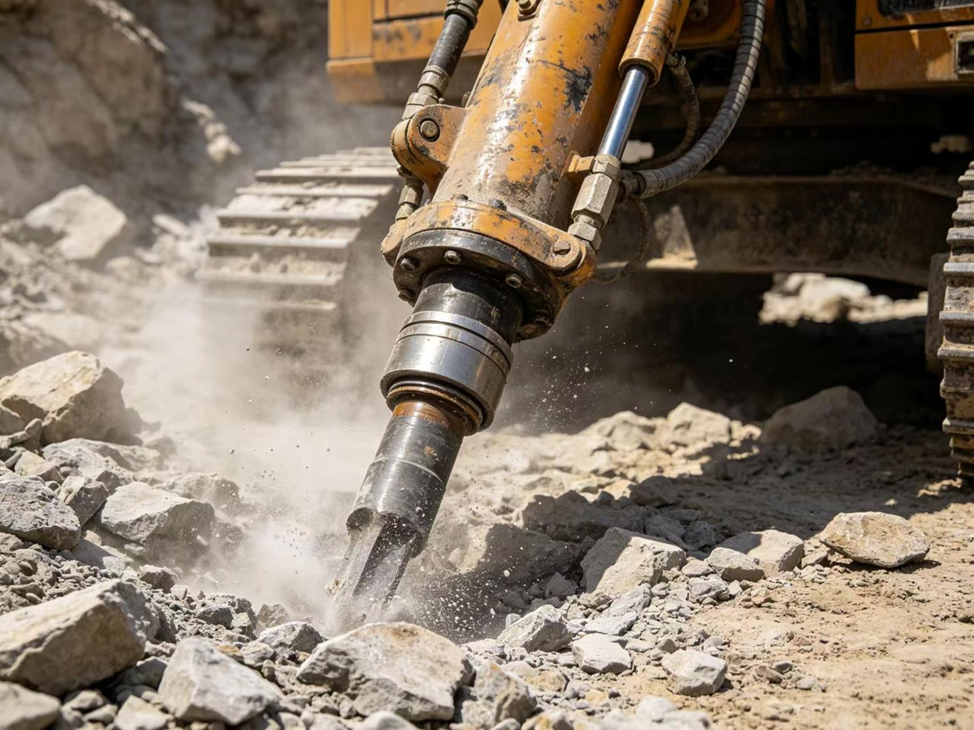
A hydraulic rock drill's front head has to keep two very different things in the right place at the same time: flushing water and lubricating oil have to stay in, and drilling dust and debris have to stay out. The cup seal handles the first job. The...
VIEW MORE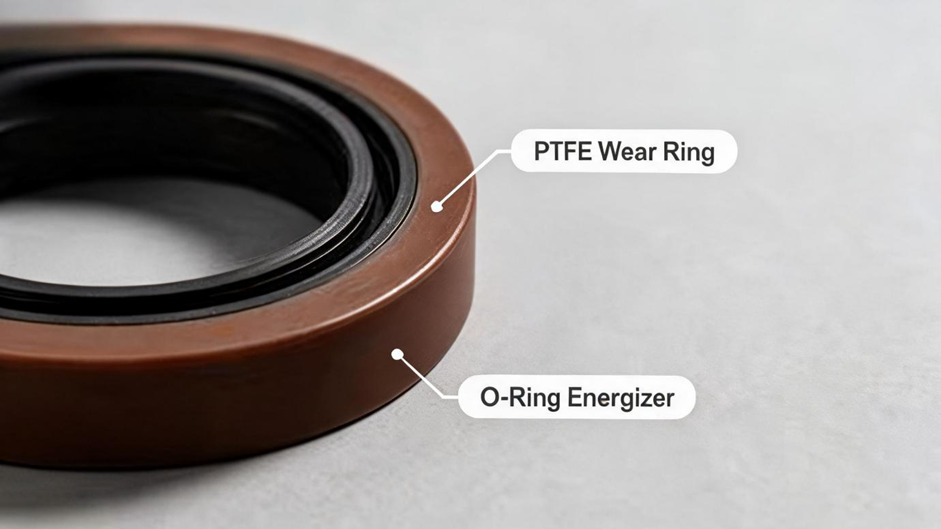
A Glyd Ring or Step Seal is really two materials working together: a rigid PTFE wear ring and a rubber O-ring energizer underneath it. Most of the conversation around these seals focuses on their shape, but the specific PTFE compound and O-ring mater...
VIEW MORE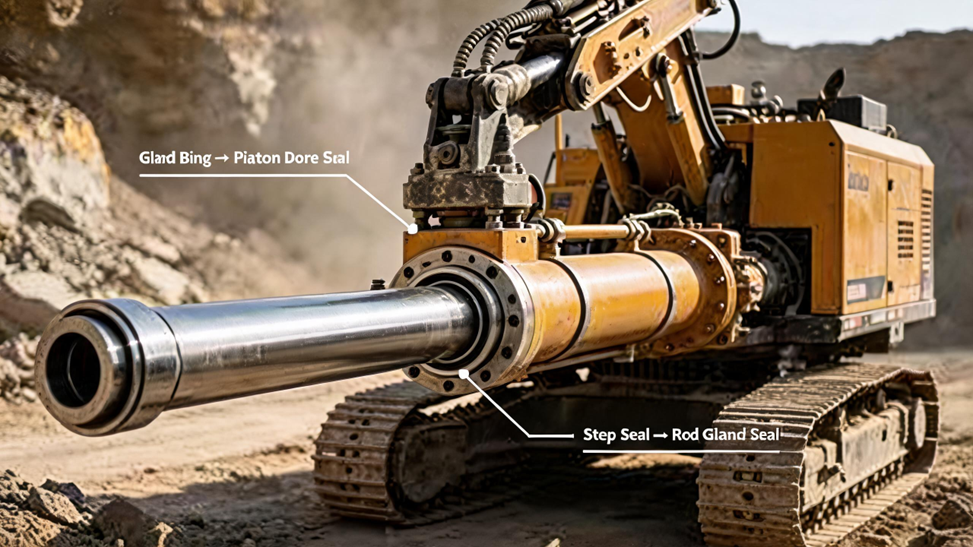
Behind every rock drill rig's feed system, boom, and other hydraulic actuators sits a pair of seal designs that look almost identical at first glance but do their jobs in different places for different reasons: the Glyd Ring and the Step Seal. Both c...
VIEW MORE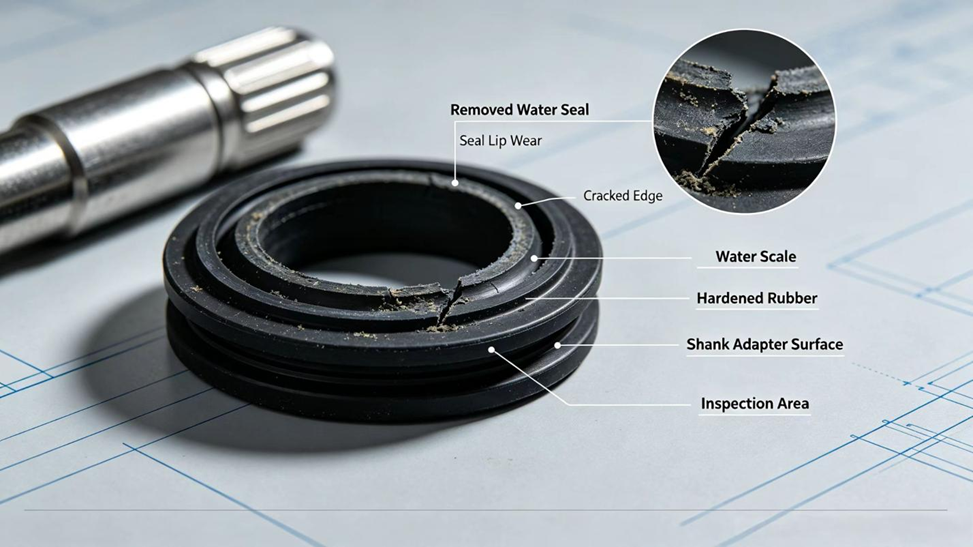
A rock drill's cup seal has an unusual job for an elastomer part: it has to hold back flushing water while riding against a shank adapter that is rotating and hammering at the same time, often for thousands of hours before replacement. The material i...
VIEW MORE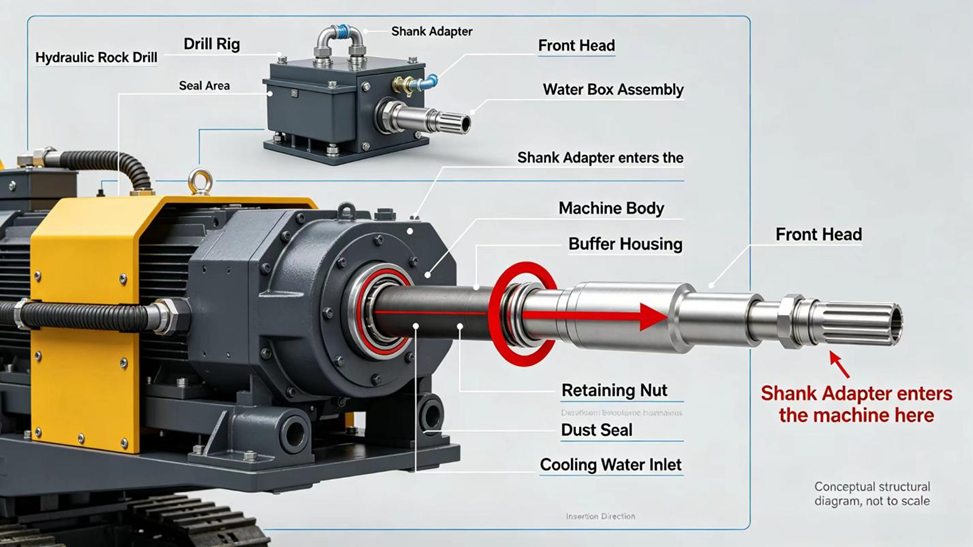
Every hydraulic rock drill that flushes its hole with water depends on a small ring of elastomer to keep that water where it belongs. The cup seal sits at the point where a rotating, hammering shank adapter passes through the drill's front head, and ...
VIEW MORE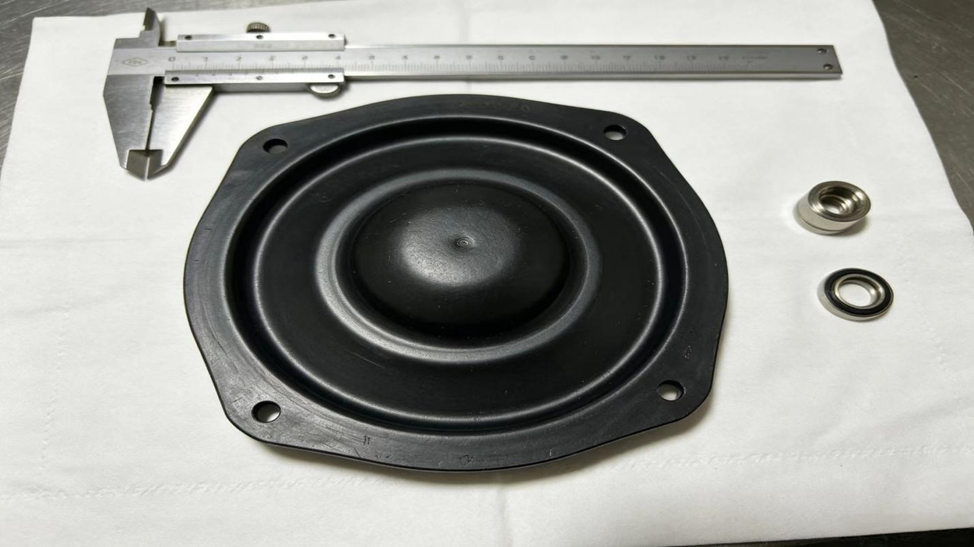
Every hydraulic rock drill accumulator relies on a diaphragm to separate its nitrogen gas charge from the hydraulic oil circuit, and that diaphragm is molded from a specific elastomer or thermoplastic compound. The material choice is not incidental...
VIEW MORE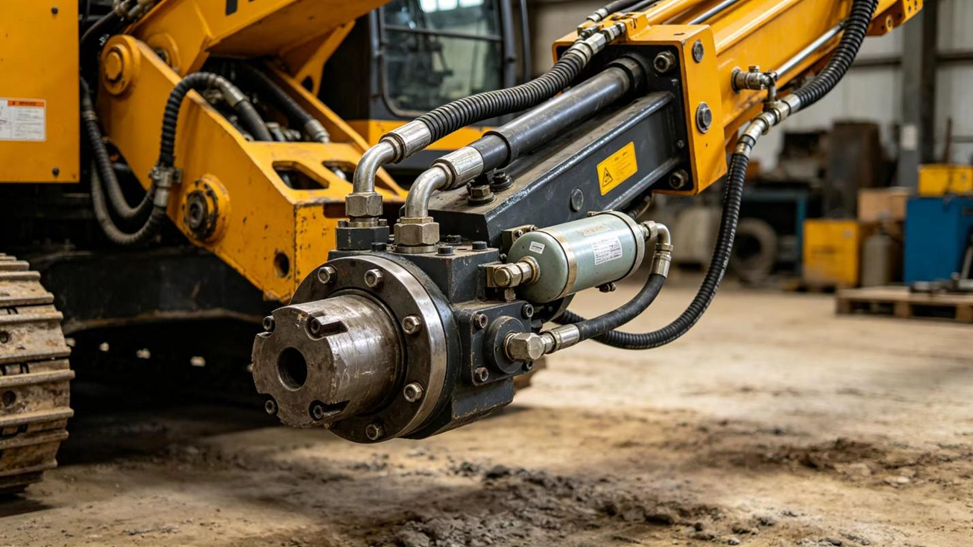
A hydraulic rock drill relies on a small, easily overlooked component to keep its percussion system smooth and efficient: the accumulator diaphragm. When it is working correctly, most operators never think about it. When it fails, impact energy dr...
VIEW MORE
Welcome to HOVOO, a Chinese seal factory. Production of PU, Rubber and PTFE seals. The seals include O-ring, piston seal, rod seal, Gray ring and gas seal.


 EN
 AR
 CS
 DA
 NL
 FI
 FR
 DE
 EL
 IT
 JA
 KO
 NO
 PL
 PT
 RO
 RU
 ES
 SV
 TL
 IW
 ID
 LV
 SR
 SK
 VI
 HU
 MT
 TH
 TR
 FA
 MS
 GA
 CY
 IS
 KA
 UR
 LA
 TA
 MY

