33-99No. Mufu E Rd. Gulou District, Nanjing, China [email protected] | [email protected]
33-99No. Mufu E Rd. Gulou District, Nanjing, China [email protected] | [email protected]
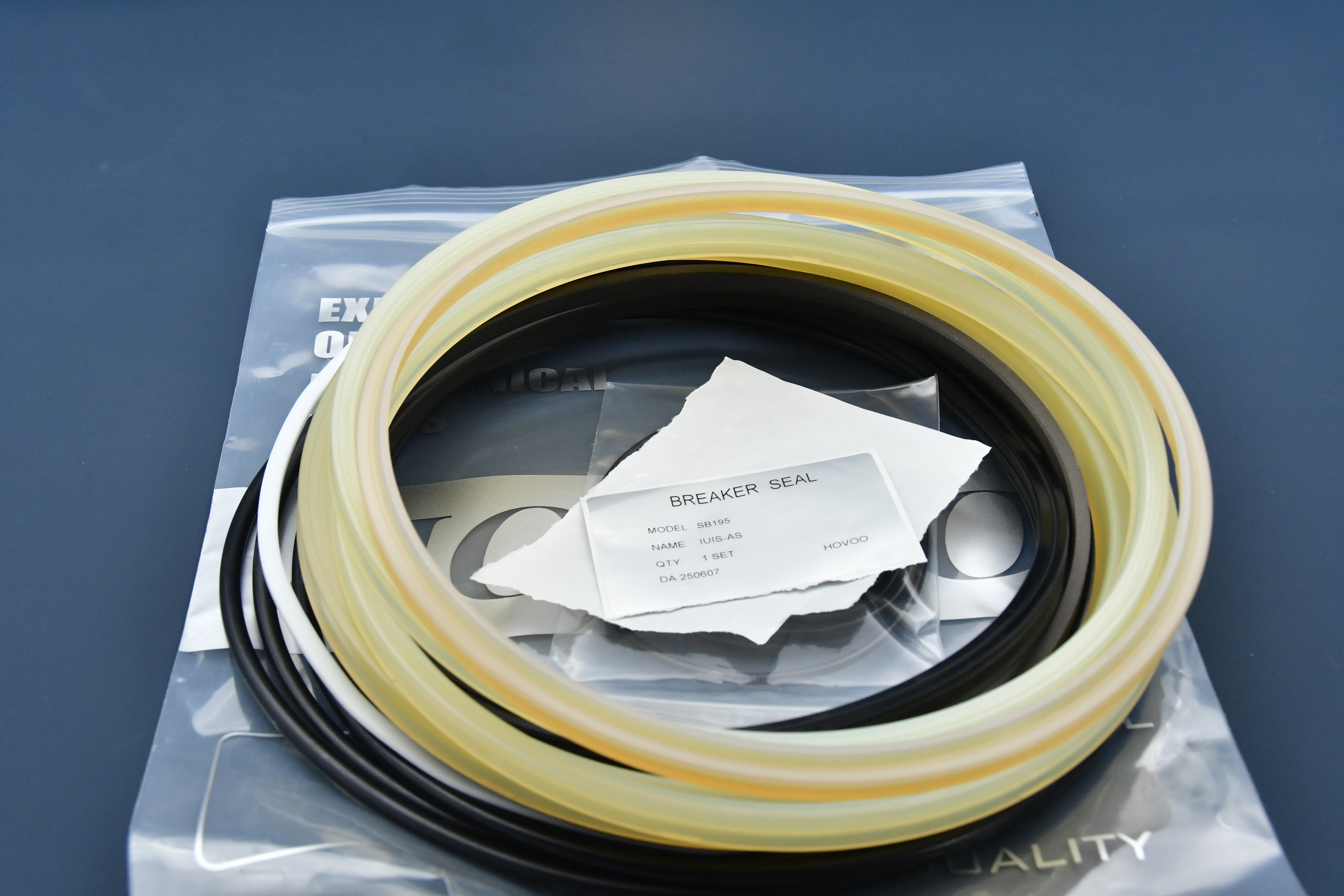
Both Are Solid Body Units — the Difference Is the Carrier You Already Have The SB52 and SB102 are adjacent models in Epiroc's SB range, sharing the same Solid Body architecture — a single block of special cast iron that integrates the per...
VIEW MORE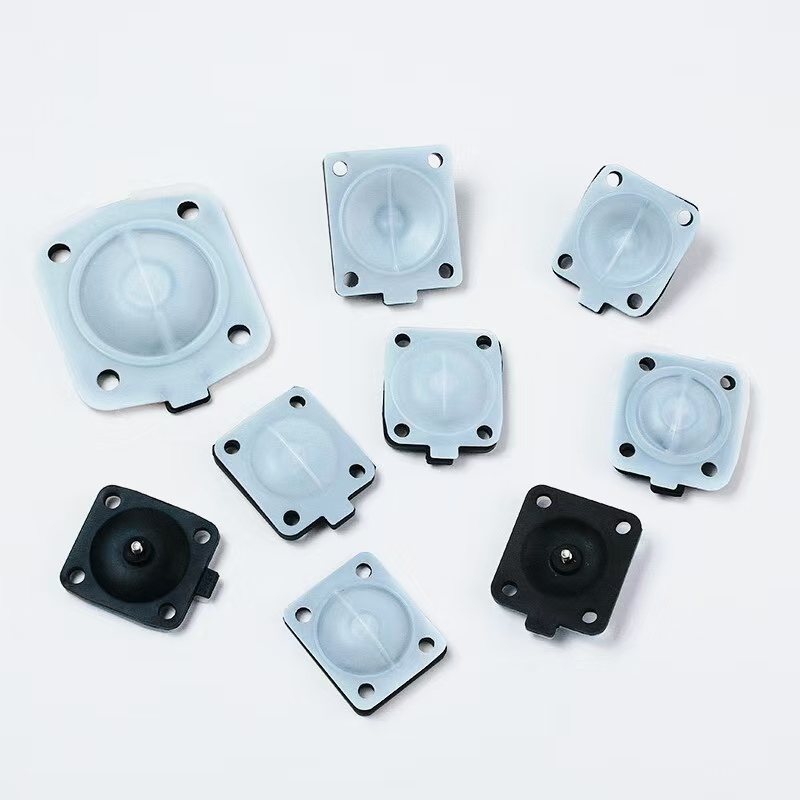
BPM Is a Result, Not a Setting Operators and site managers often talk about 'setting the BPM' on a hydraulic breaker as though it were a dial to turn. It is not. Blows per minute is an outcome — the result of how much oil the carrier is deliver...
VIEW MORE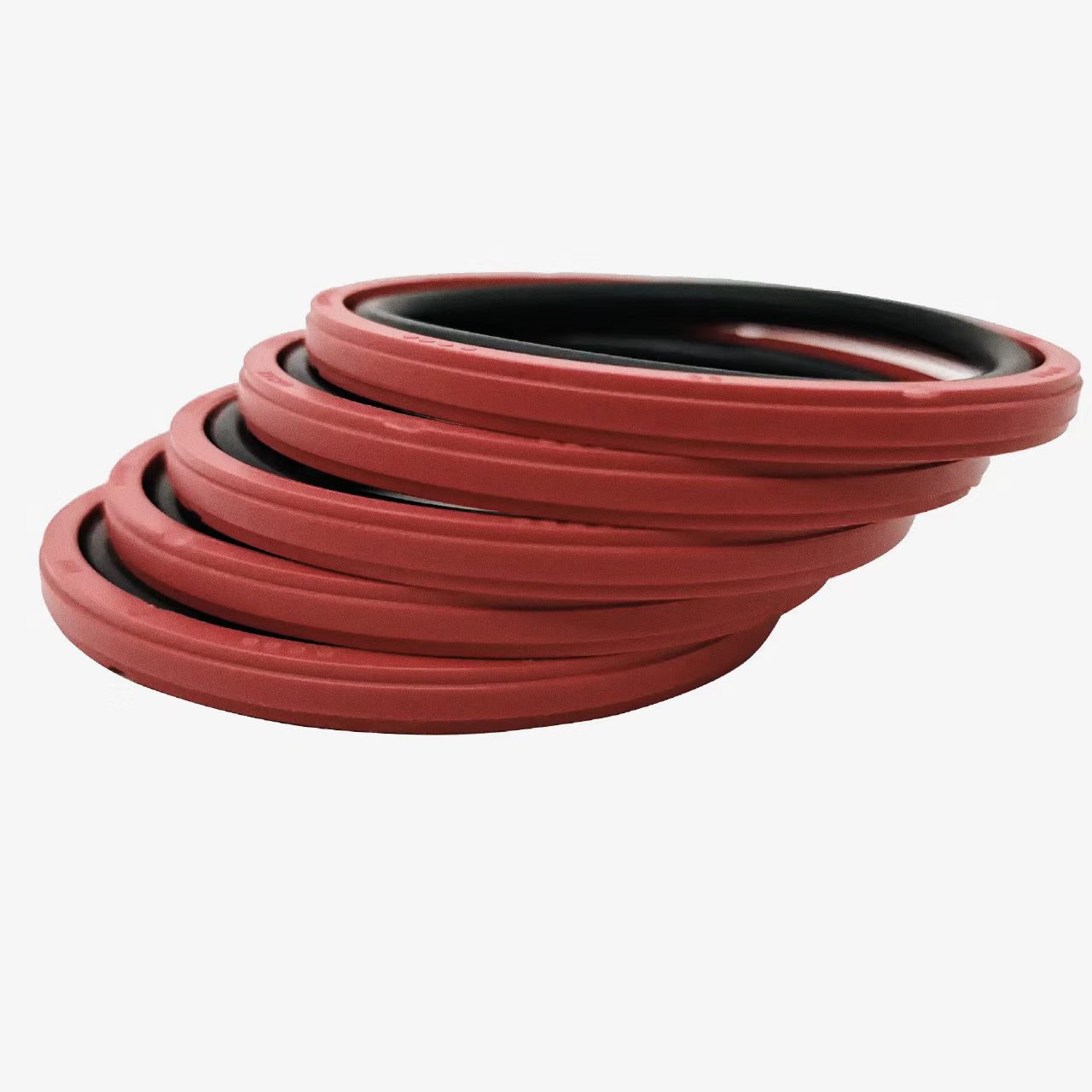
Why the 15t Class Needs Its Own Matching Logic A 15-tonne excavator occupies a specific position in the equipment range that creates particular matching constraints. It is heavy enough to carry a genuinely productive mid-class breaker — one cap...
VIEW MORE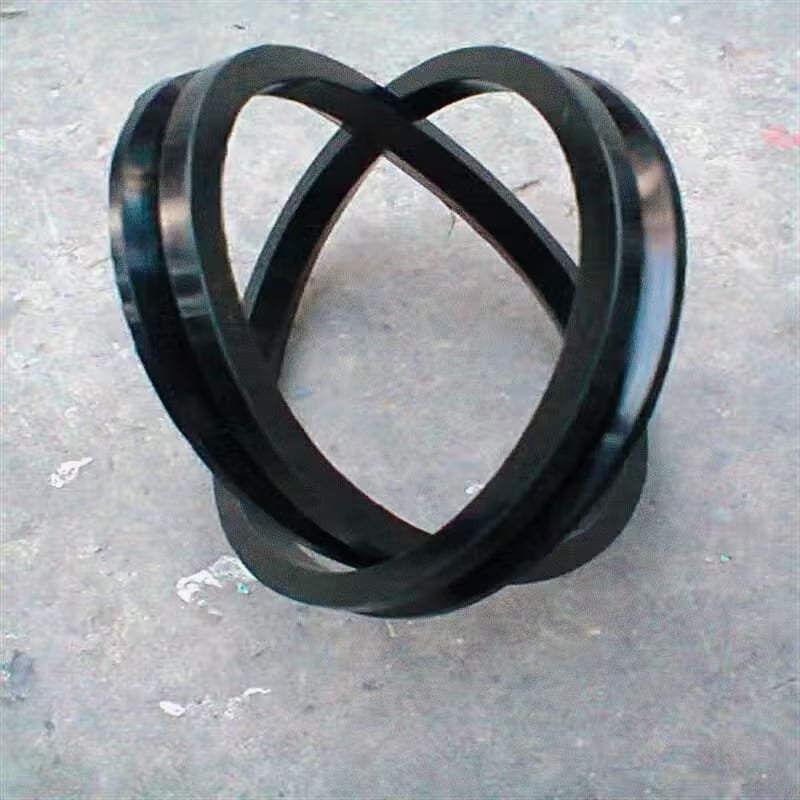
The Bushing Is Not a Consumable — Until It Is Every hydraulic breaker contains several components that wear over time, but they do not wear at the same rate or produce the same consequences when neglected. The inner bushing — the steel sl...
VIEW MORE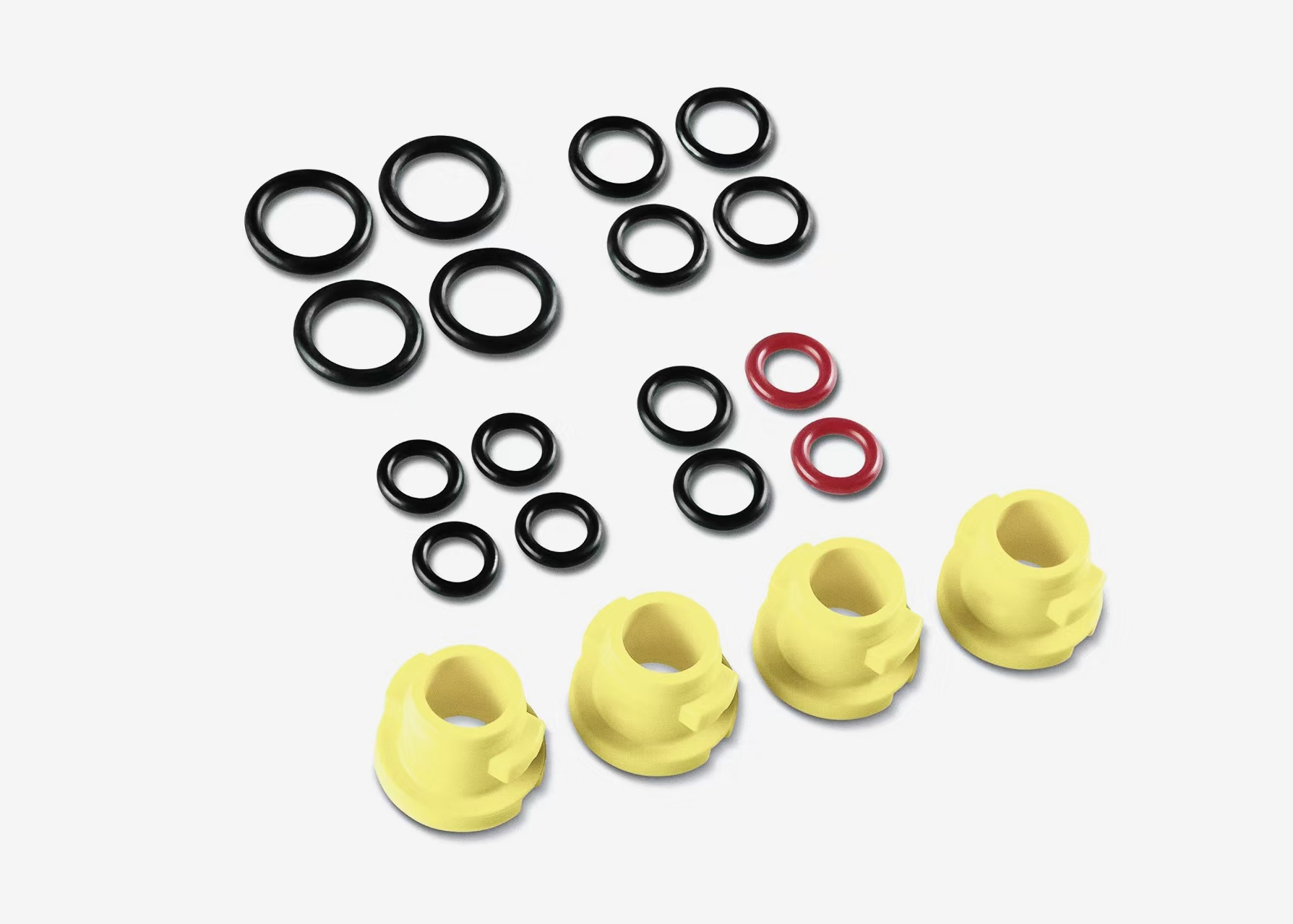
Which Seals Can Be Changed in the Field — and Which Cannot A complete hydraulic breaker seal kit contains several different seal types, and they do not all belong in the same maintenance category. Some can be replaced on-site by a trained opera...
VIEW MORE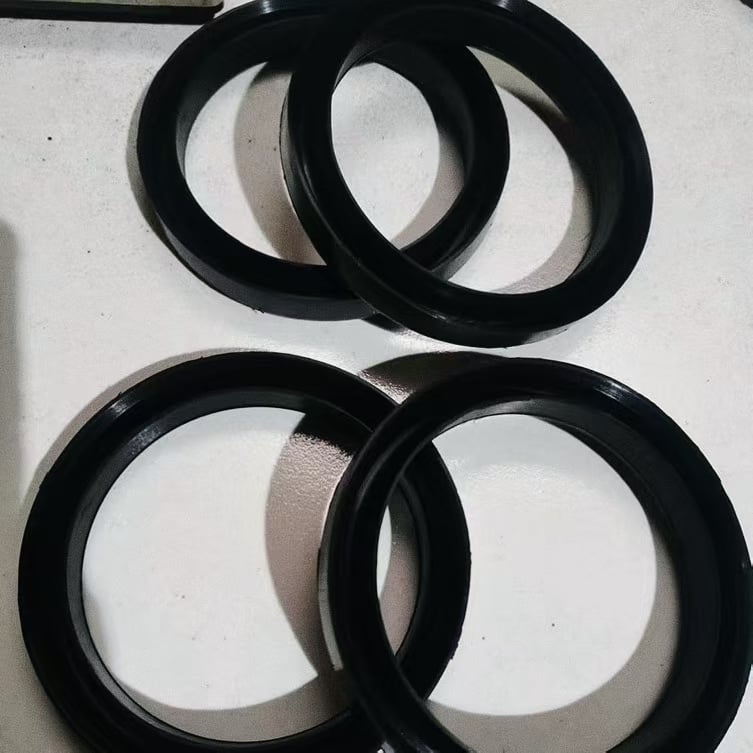
Three Pressure Numbers You Need — and Why They Are All Different A hydraulic breaker installation involves three distinct pressure figures that are frequently confused with each other. The breaker's rated operating pressure is the pressure at w...
VIEW MORE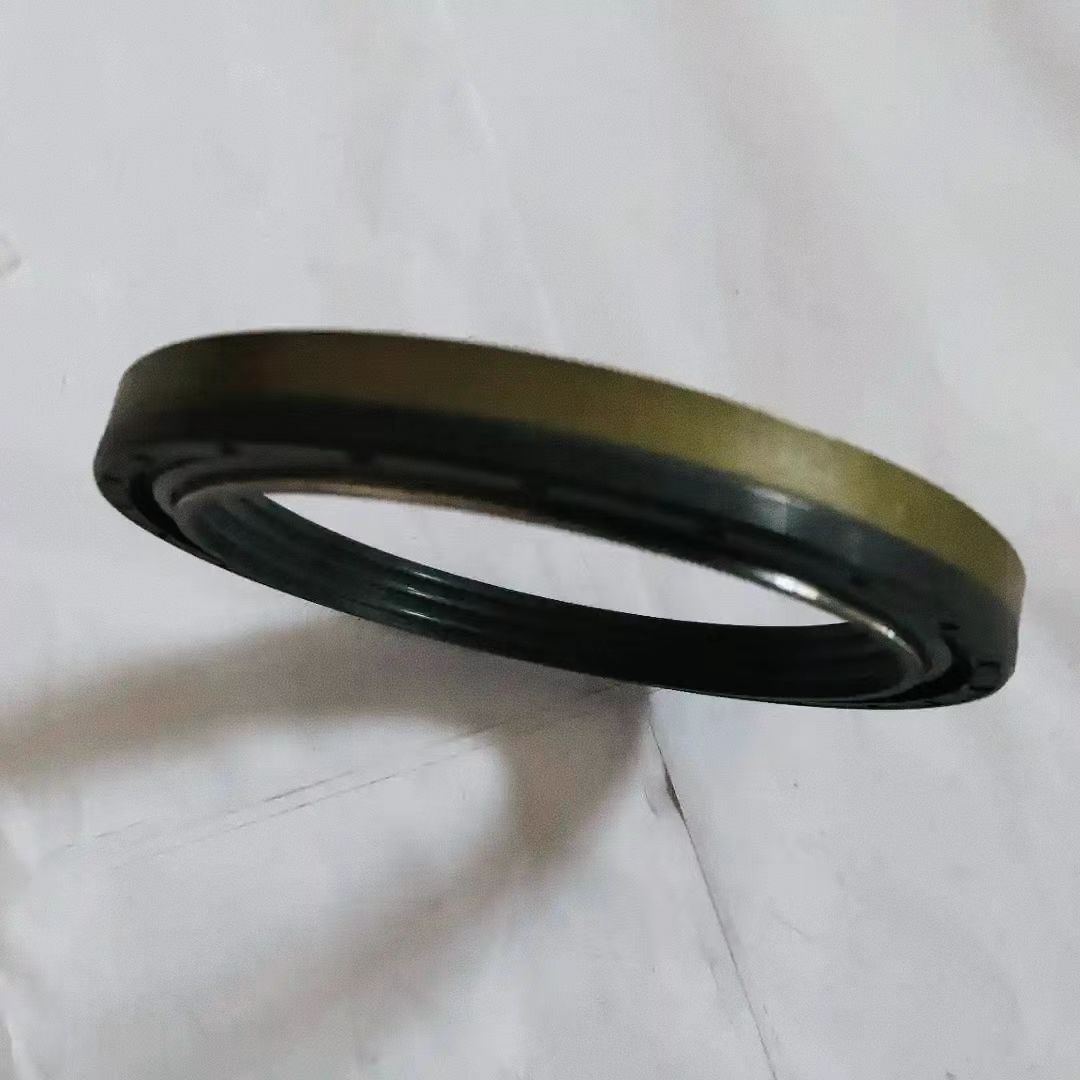
The Label 'Silenced' Is Not a Specification Every manufacturer selling a box-type breaker calls it silenced. The word has become a product category name rather than a performance claim. The problem is that two breakers, both sold as silenced, can pro...
VIEW MORE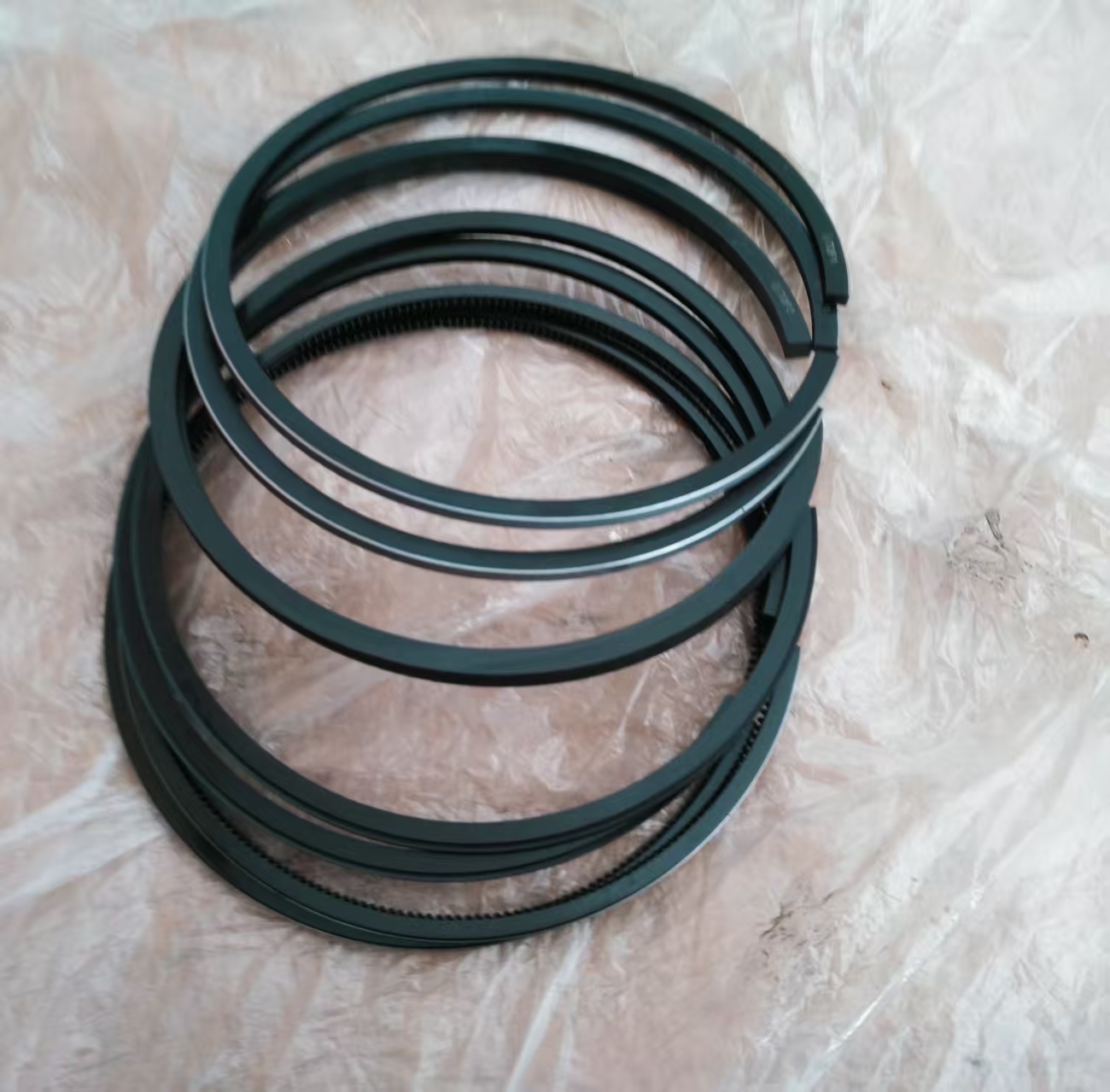
The Problem with Diagnosing 'Weak' Impact Operators describe weak impact in roughly the same way regardless of the actual cause: 'the breaker doesn't hit as hard as it used to.' That description covers five separate failure modes with five different ...
VIEW MORE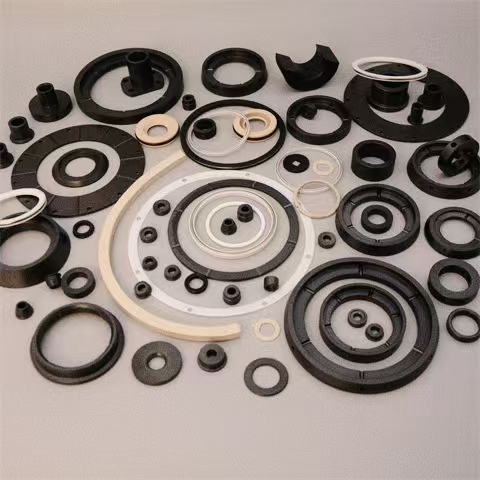
Why Underwater Maintenance Is a Different Category Entirely Standard hydraulic breaker maintenance guides — lubricate every two hours, check nitrogen monthly, replace seals at 1,800–2,200 hours — are written for land-based operation...
VIEW MORE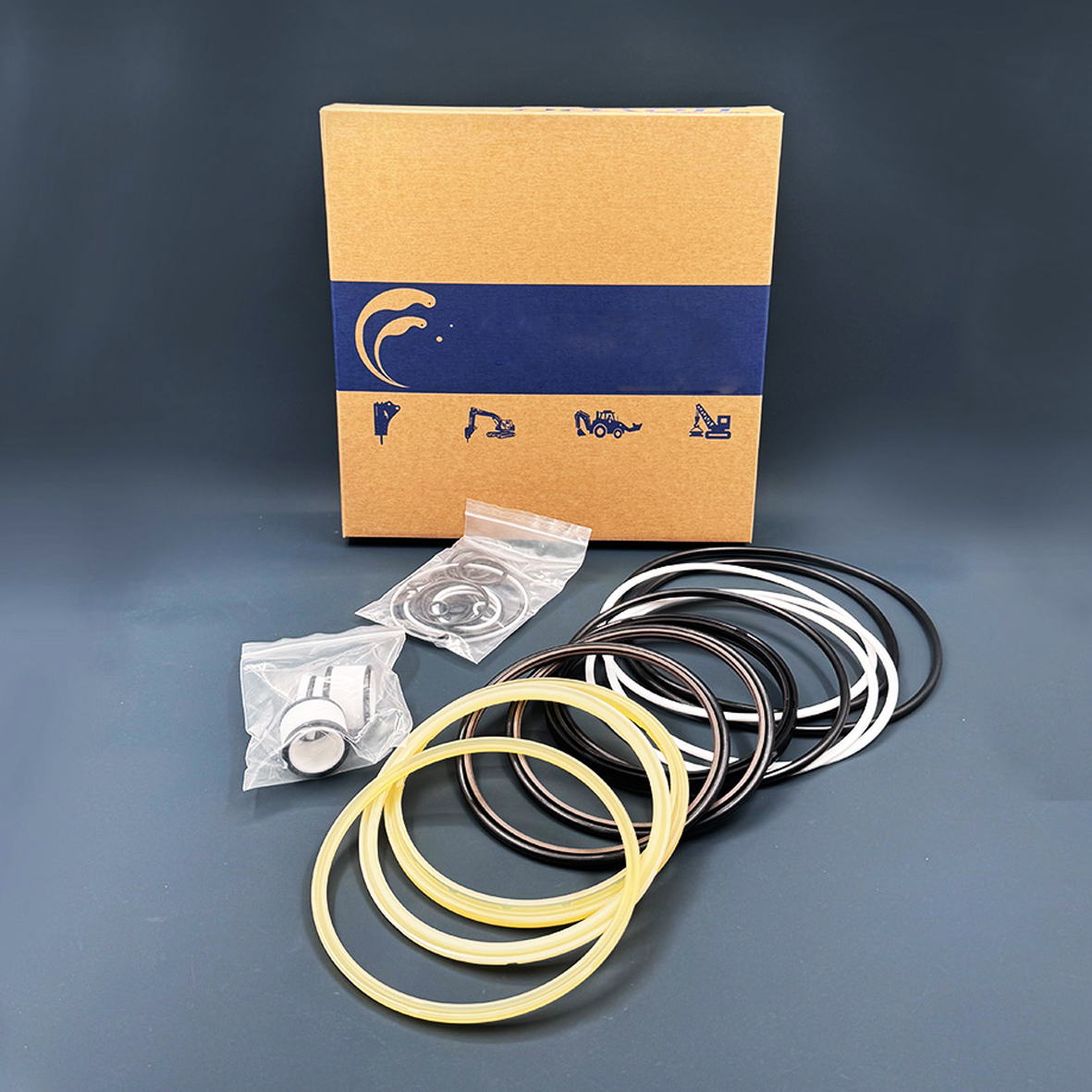
What Small-Scale Projects Actually Demand from a Breaker Small-scale projects — residential demolition, utility trenching, kerb and sidewalk work, site clearance on sub-10-tonne carriers — impose a specific set of demands that large-machi...
VIEW MORE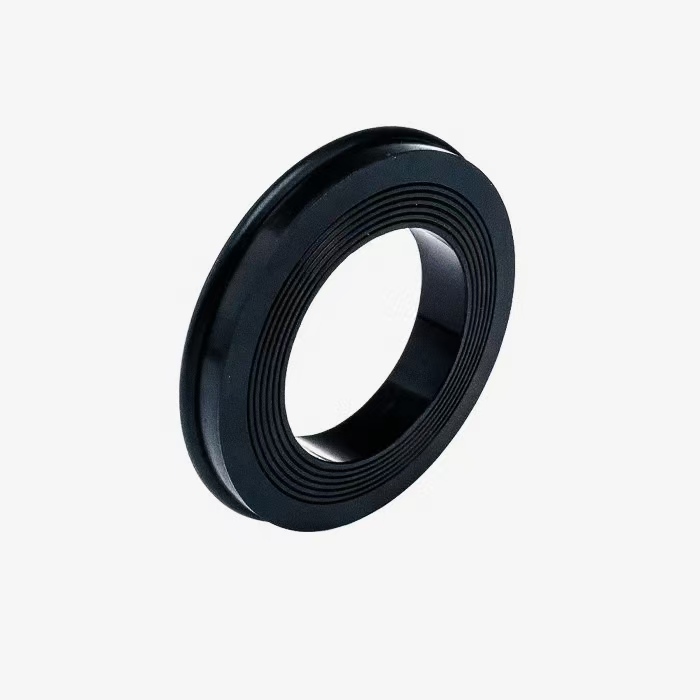
Diameter Is Not Just Size — It Is Energy Architecture Chisel selection conversations tend to start and end with tip shape: moil point, flat chisel, blunt tool, wedge. Shape matters, but diameter is the variable that determines how much of the p...
VIEW MORE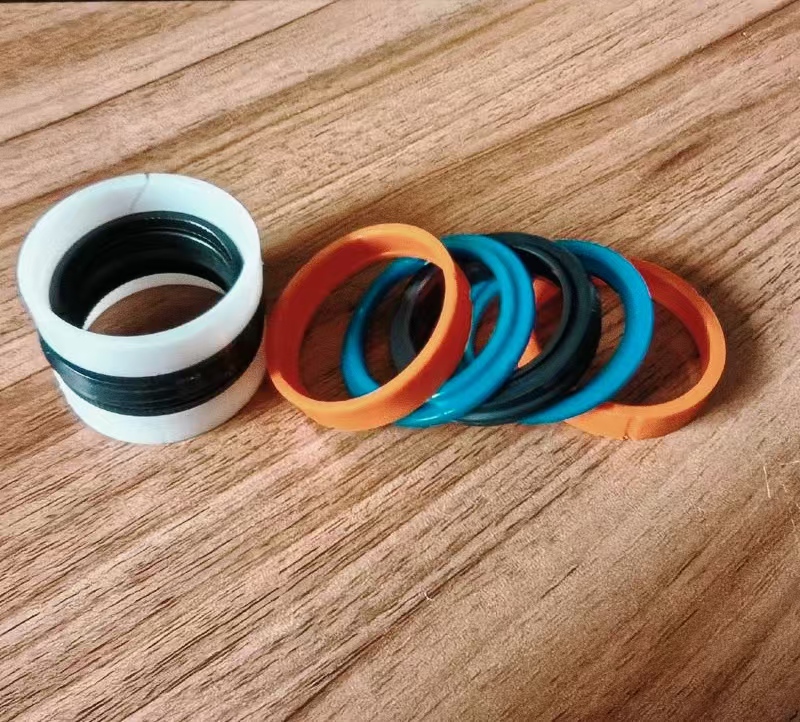
Municipal Work Has Constraints That Quarry Selection Logic Ignores A road maintenance crew in a residential street is operating under conditions that would never appear in a quarry: occupied buildings within five metres, live traffic on the adjacent ...
VIEW MORE
Welcome to HOVOO, a Chinese seal factory. Production of PU, Rubber and PTFE seals. The seals include O-ring, piston seal, rod seal, Gray ring and gas seal.


 EN
 AR
 CS
 DA
 NL
 FI
 FR
 DE
 EL
 IT
 JA
 KO
 NO
 PL
 PT
 RO
 RU
 ES
 SV
 TL
 IW
 ID
 LV
 SR
 SK
 VI
 HU
 MT
 TH
 TR
 FA
 MS
 GA
 CY
 IS
 KA
 UR
 LA
 TA
 MY

