33-99No. Mufu E Rd. Gulou District, Nanjing, China [email protected] | [email protected]
33-99No. Mufu E Rd. Gulou District, Nanjing, China [email protected] | [email protected]
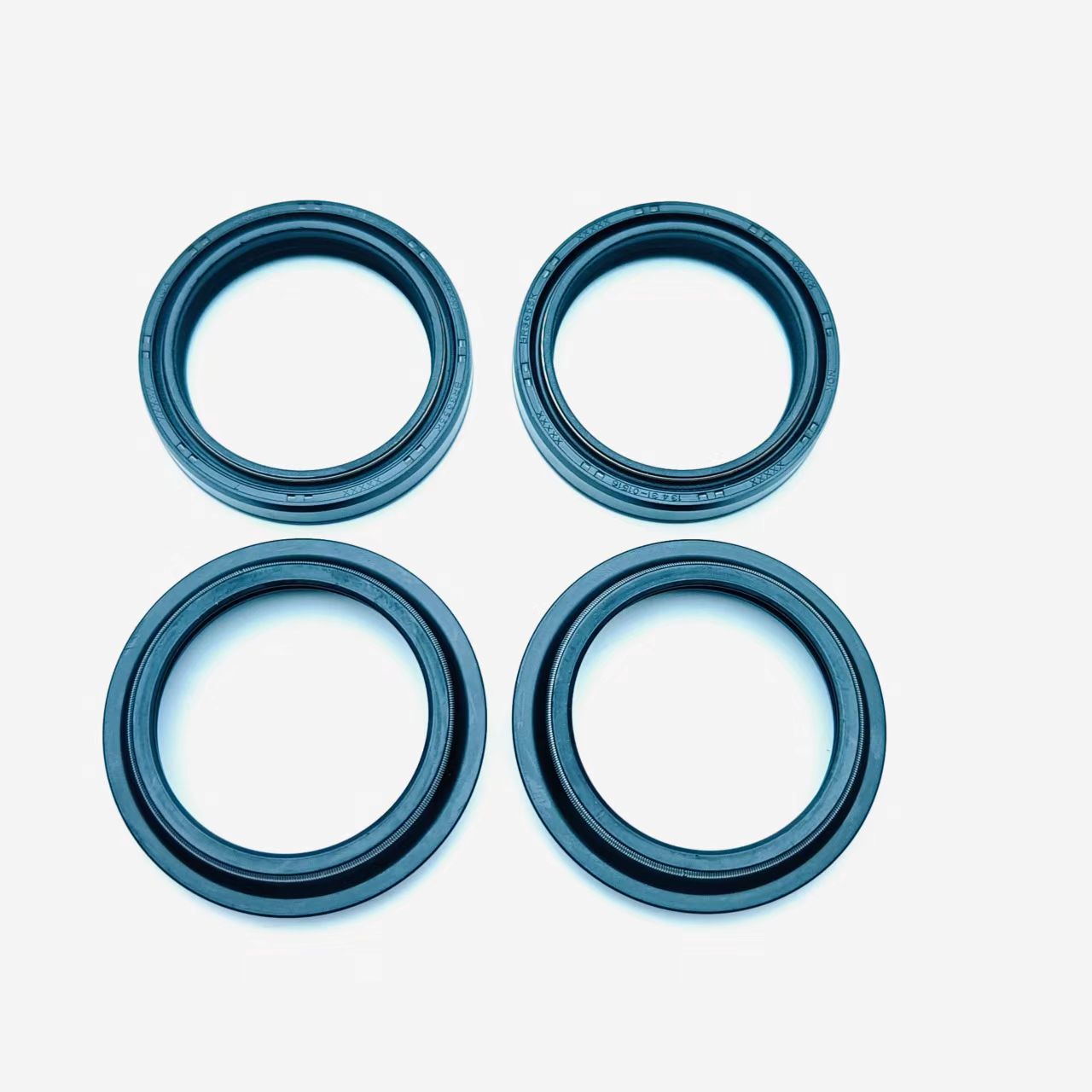
The Environment Dictates the Equipment A steel ladle arrives for cleaning at somewhere between 600 °C and 900 °C when hot-cleaning is scheduled early. The slag inside has hardened through repeated heating and cooling cycles into a dense shell...
VIEW MORE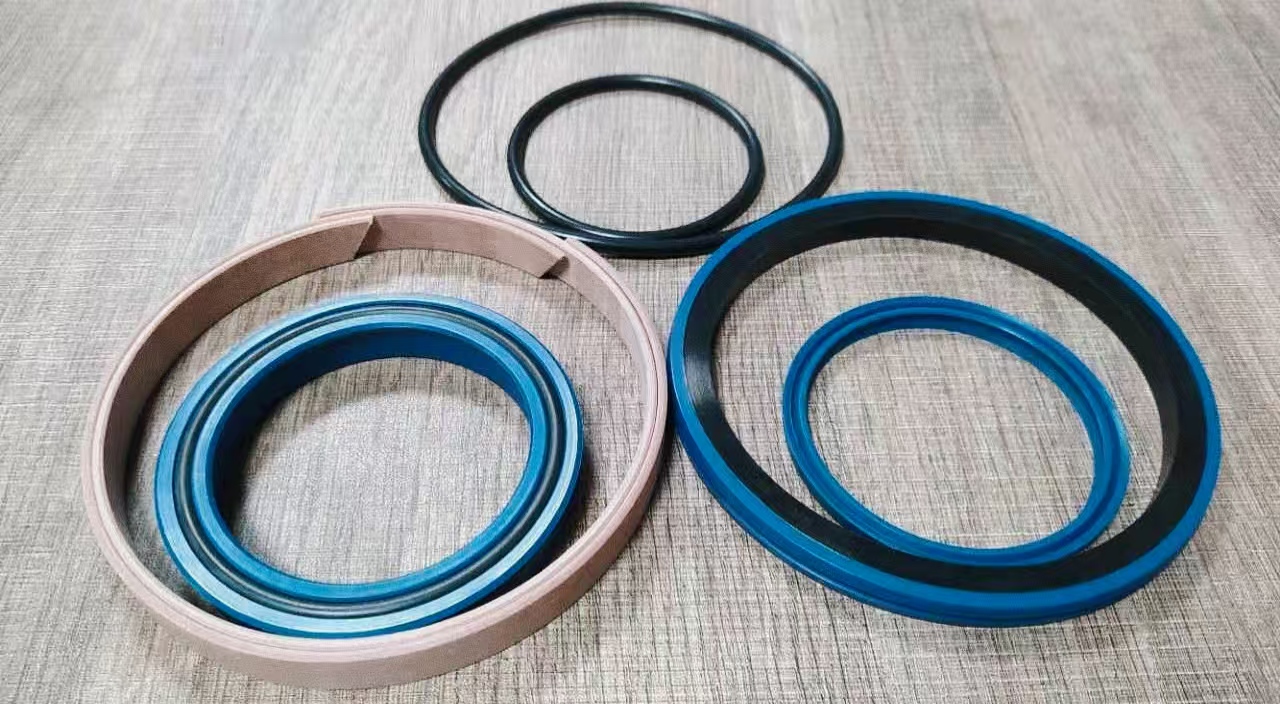
Why Attachment Speed Is a Real Cost Item Changing an excavator attachment the old way — knock out the pins, pull them by hand, swap the tool, reinsert, retighten — takes ten to twenty minutes. Do it twice a day on a mixed job site and you...
VIEW MORE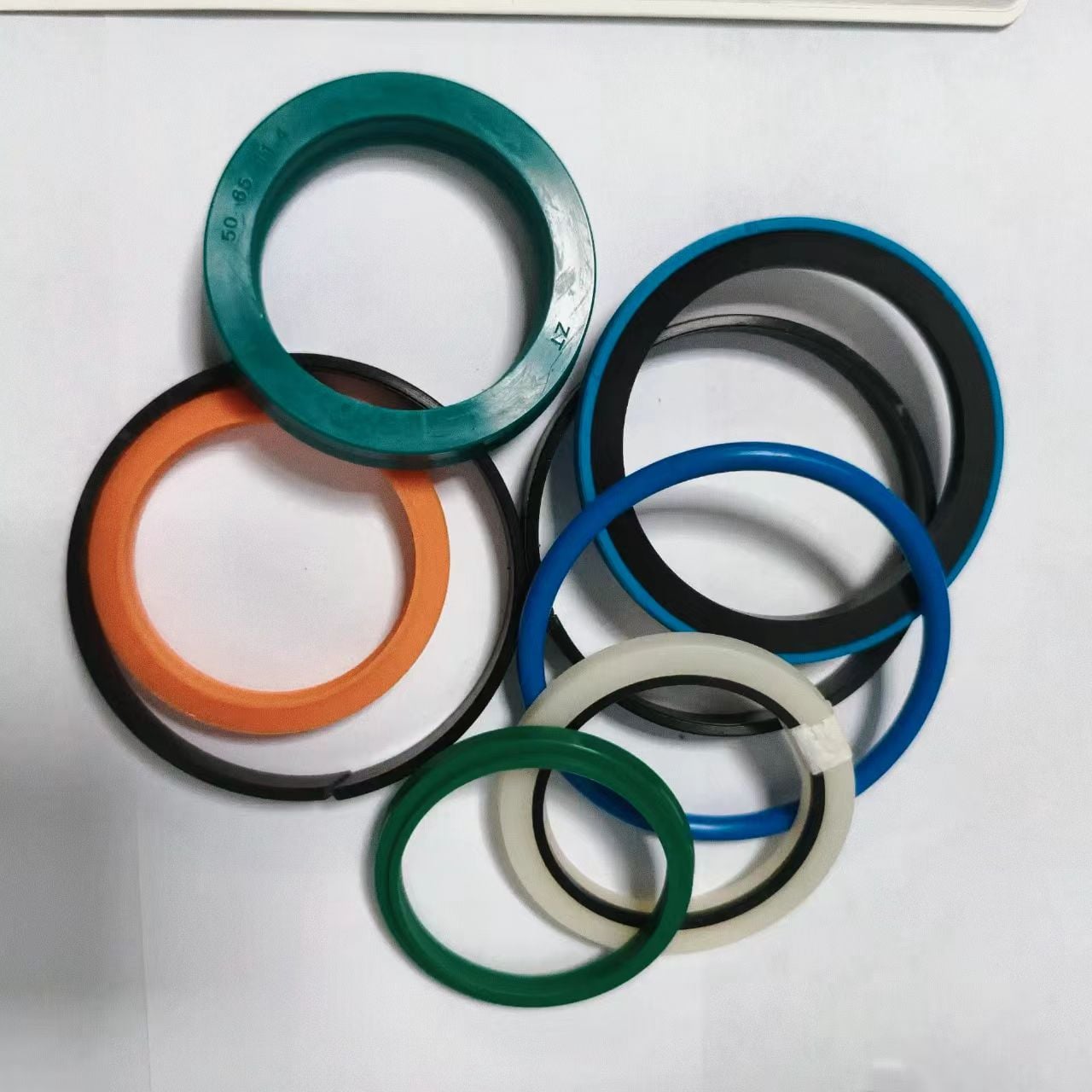
Read the Leak Before You Replace Anything Oil dripping from a hydraulic breaker tells a story. The story changes depending on where the oil is coming from. Leak at the chisel end? That's a front-head problem — dust seal gone, U-cup seal failing...
VIEW MORE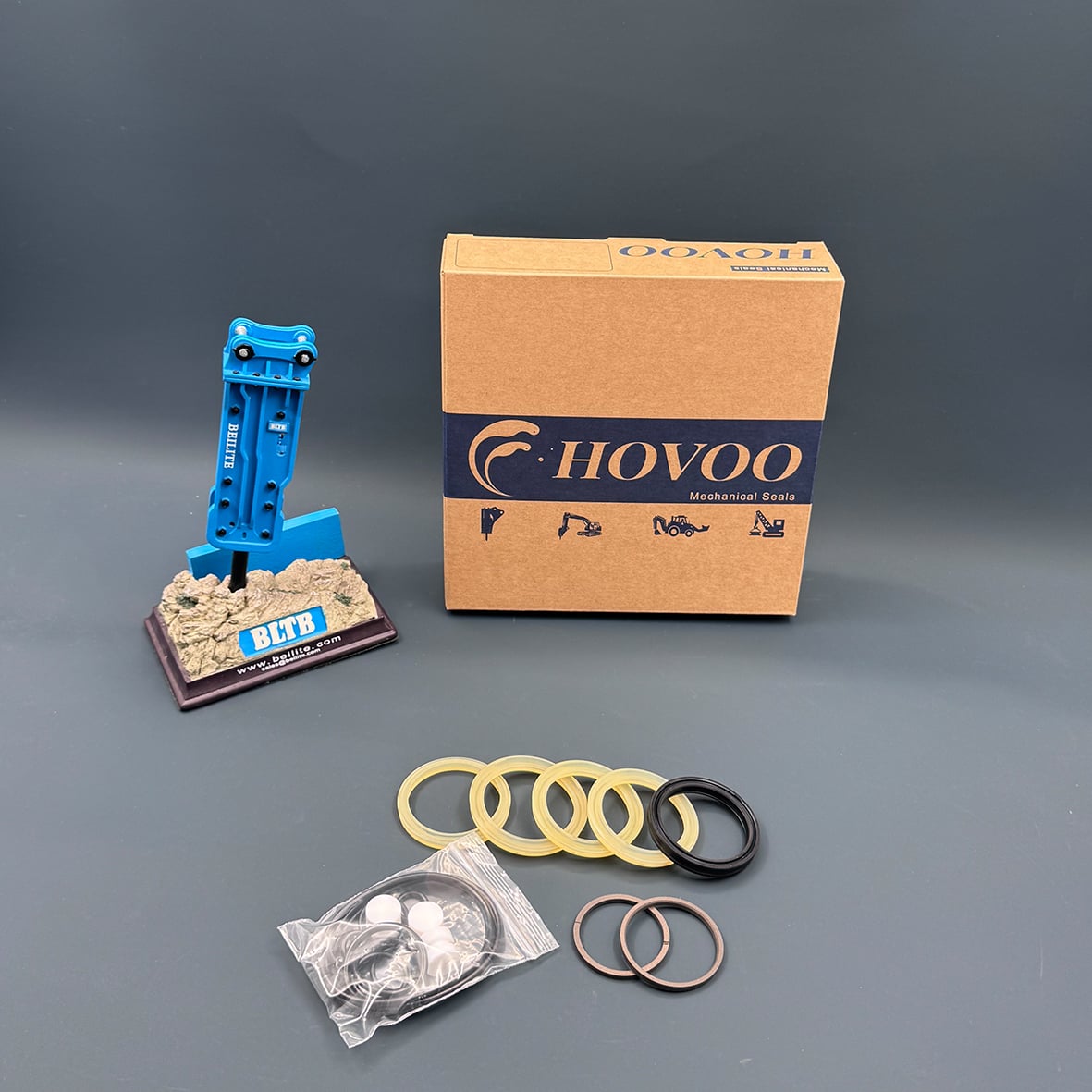
What Large-Scale Mining Actually Demands Pick up any hydraulic breaker catalogue and you'll see impact energy figures — joules, foot-pounds, whatever the brand prefers. A mid-range breaker for a 20-tonne excavator might claim 3,000 J. The BLT-2...
VIEW MORE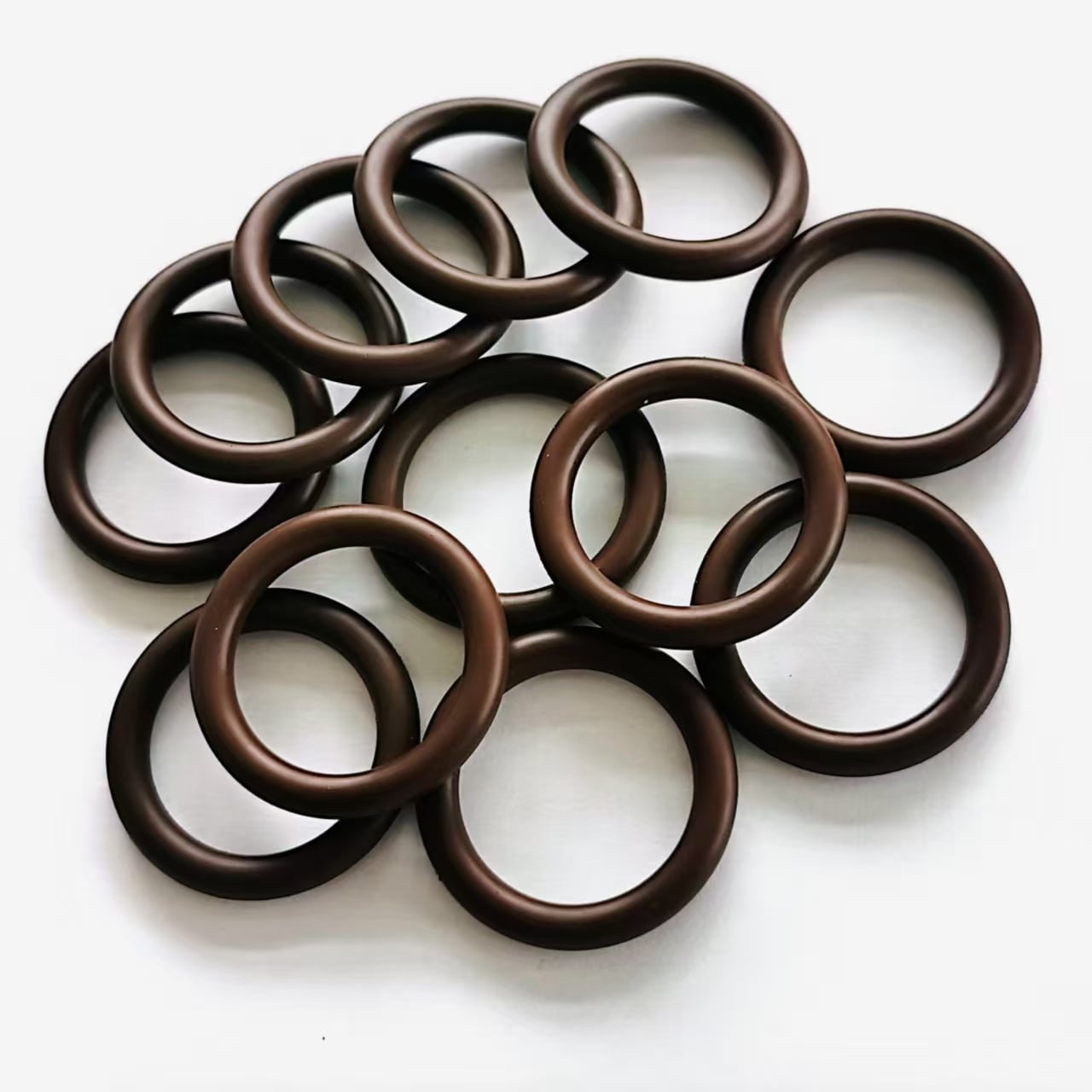
Altitude Changes Every Parameter the Breaker Was Sized For A hydraulic breaker selected and commissioned at sea level arrives at a 3,500-metre mountain construction site as a different piece of equipment. Not mechanically — the internal dimensi...
VIEW MORE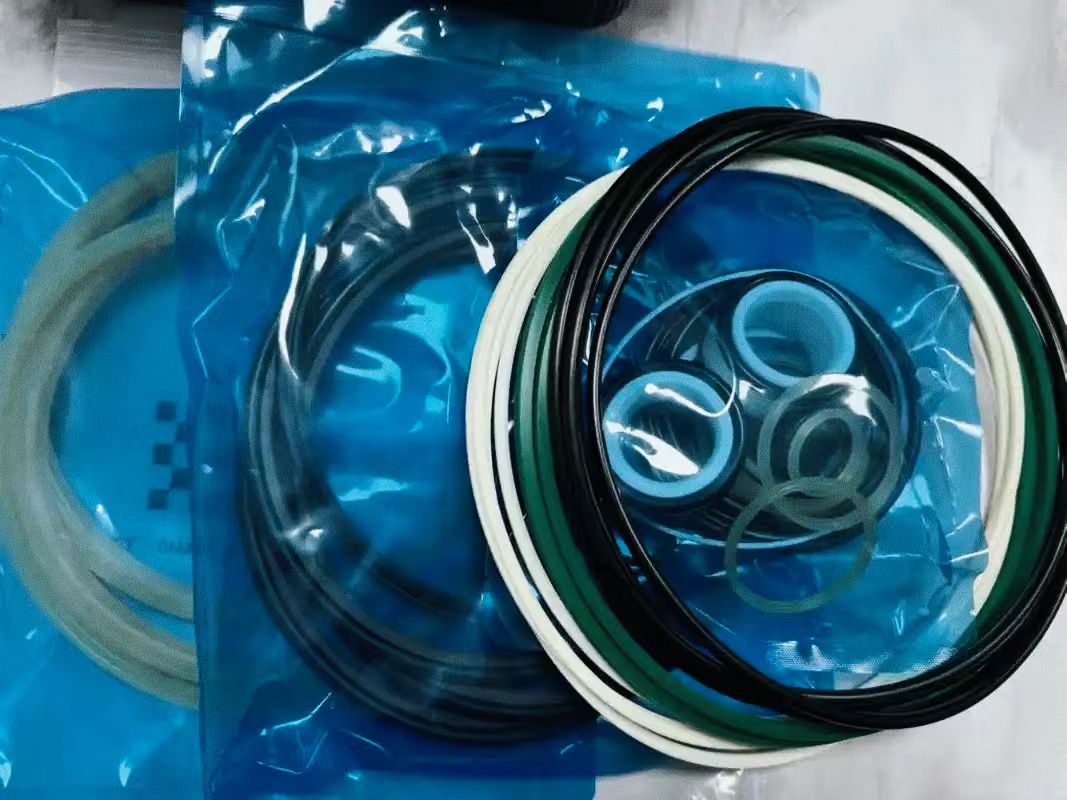
The Architecture That Separates Box Type from Open Type A hydraulic breaker produces two types of noise: airborne sound from the impact of chisel on material, and structure-borne vibration that radiates through the cylinder walls and bracket outward ...
VIEW MORE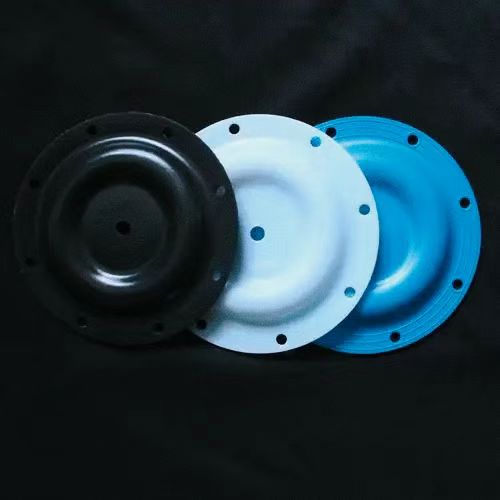
Two Consumables That Shape Every Single Strike Nitrogen and hydraulic oil are the two consumables that interact with every moving part inside an Epiroc breaker on every blow. They are not the same as a seal kit or a chisel — those are wear part...
VIEW MORE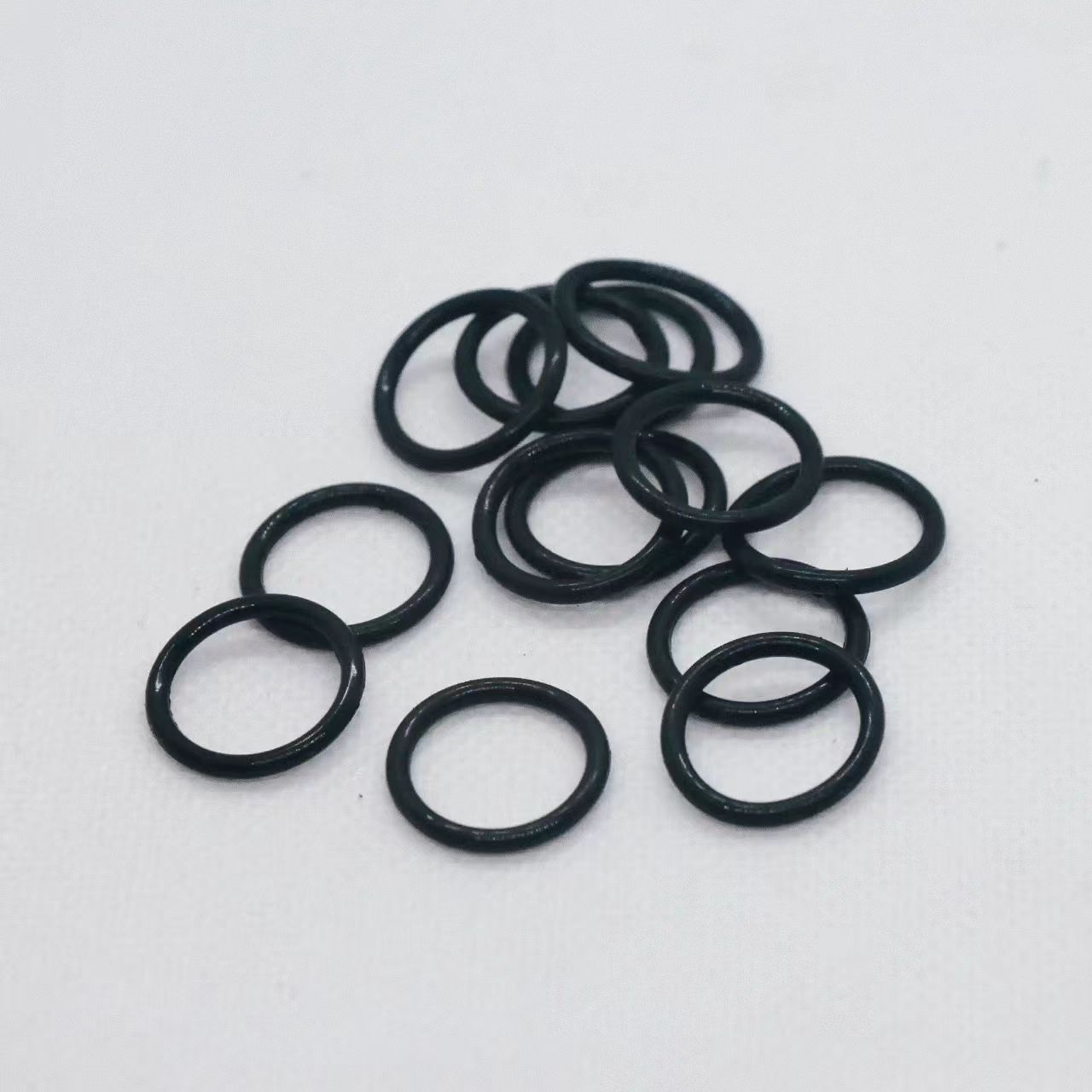
Why Standard Breakers Cannot Simply Go Underwater Marine infrastructure projects like pier construction, harbor maintenance, and underwater demolition don't play by normal rules. You're breaking through submerged rock, concrete piles, and old bridge ...
VIEW MORE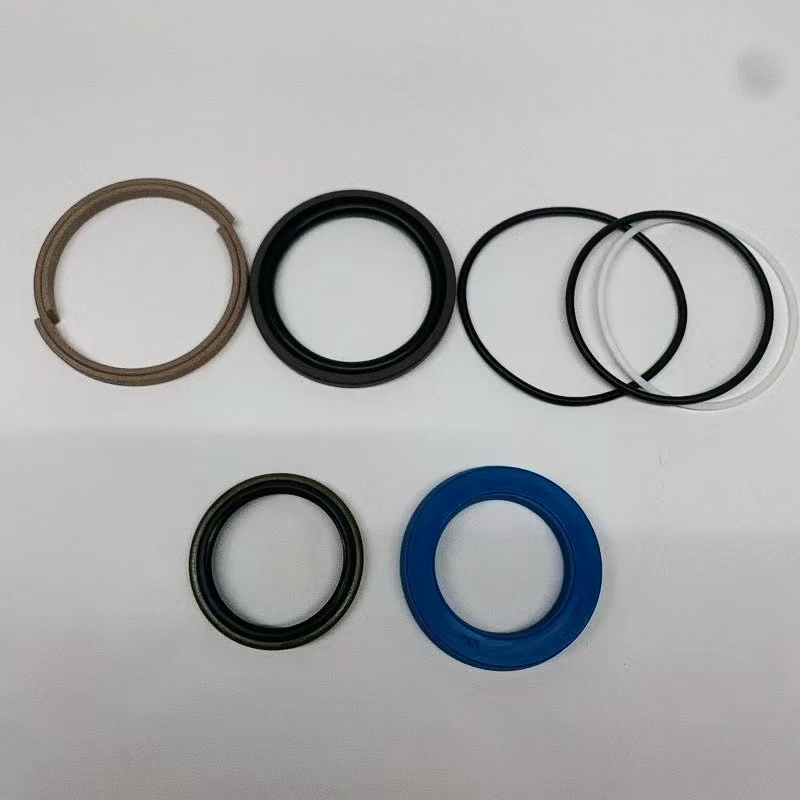
Almost 90 Years of Pneumatic and Hydraulic Engineering Founded in 1937 in Japan, Toku has a straightforward mission: to lead with quality. This focus has driven them to develop advanced pneumatic and hydraulic technology, resulting in reliable produc...
VIEW MORE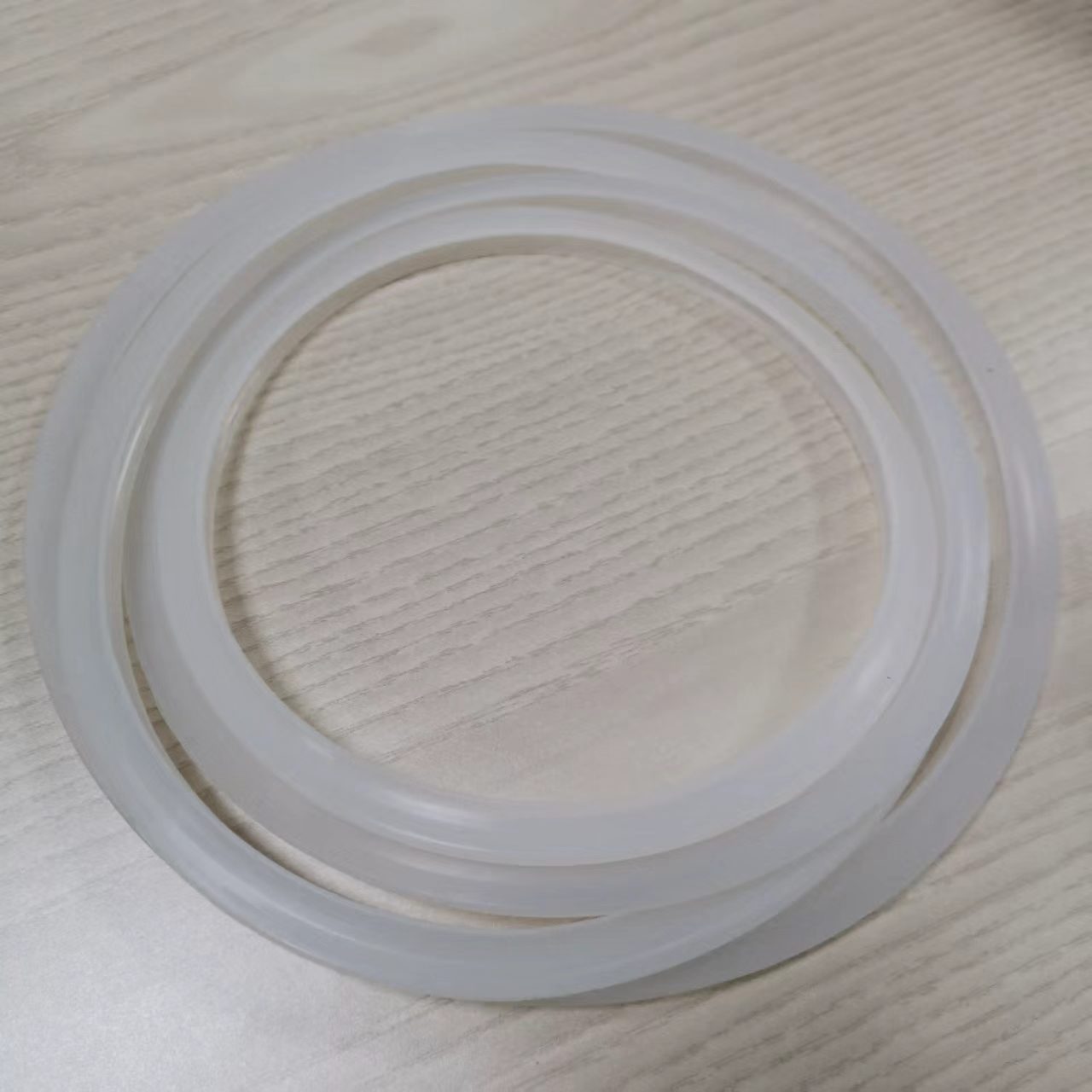
The Quarry's Productivity Problem — and Where the Breaker Fits The presence of even a few oversized rocks has a disproportionately large impact on capacity and cost. Each oversize boulder requires secondary breakage — a slow, expensive, a...
VIEW MORE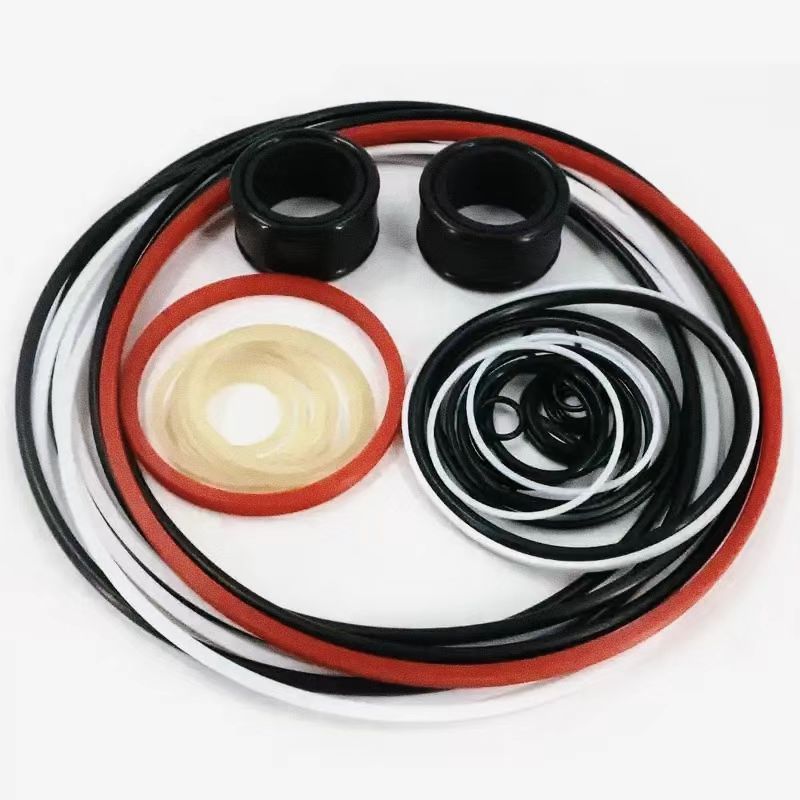
Why the Adapter Plate Is the Most Overlooked Part of Breaker Selection A hydraulic breaker is chosen for its impact energy, working pressure, and chisel diameter. The adapter plate — also called the mounting bracket, cradle, or top cap — ...
VIEW MORE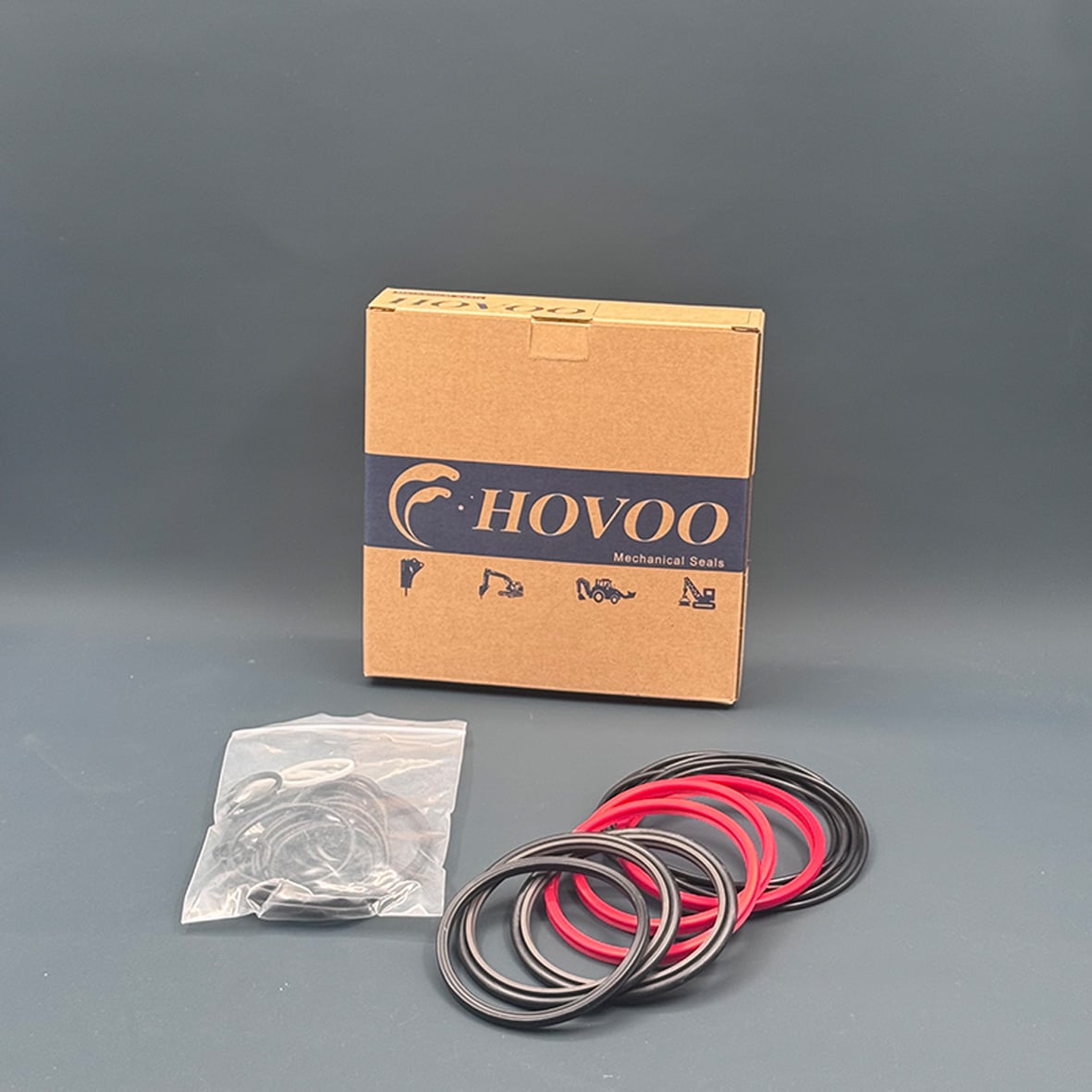
What Building Demolition Demands The sequence of demolition is typically the same as the top-down manual method — each section of the structure shall be demolished in a top-down sequence. On paper that sounds orderly; on a real demolition site ...
VIEW MORE
Welcome to HOVOO, a Chinese seal factory. Production of PU, Rubber and PTFE seals. The seals include O-ring, piston seal, rod seal, Gray ring and gas seal.


 EN
 AR
 CS
 DA
 NL
 FI
 FR
 DE
 EL
 IT
 JA
 KO
 NO
 PL
 PT
 RO
 RU
 ES
 SV
 TL
 IW
 ID
 LV
 SR
 SK
 VI
 HU
 MT
 TH
 TR
 FA
 MS
 GA
 CY
 IS
 KA
 UR
 LA
 TA
 MY

