

 EN
EN
 AR
AR CS
CS DA
DA NL
NL FI
FI FR
FR DE
DE EL
EL IT
IT JA
JA KO
KO NO
NO PL
PL PT
PT RO
RO RU
RU ES
ES SV
SV TL
TL IW
IW ID
ID LV
LV SR
SR SK
SK VI
VI HU
HU MT
MT TH
TH TR
TR FA
FA MS
MS GA
GA CY
CY IS
IS KA
KA UR
UR LA
LA TA
TA MY
MY
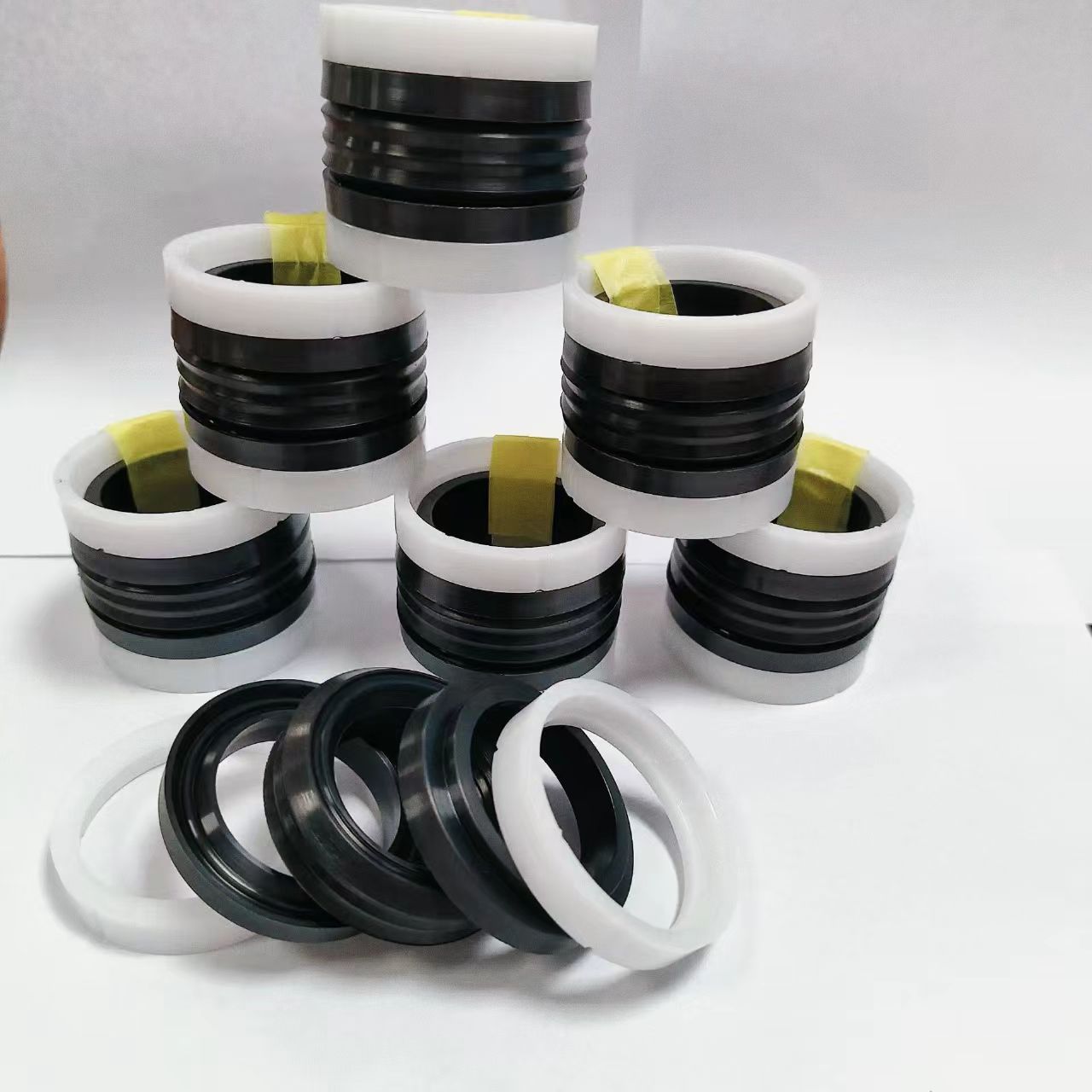
Cuatro marcas, cuatro posiciones competitivas — no es un ranking
Epiroc , BEILITE, TOKU , y SOOSAN son cuatro de las marcas globales de martillos hidráulicos más buscadas. No son intercambiables, y la pregunta sobre cuál es la mejor no tiene una única respuesta, ya que cada una ocupa una posición competitiva distinta y atiende a un comprador principal diferente. Epiroc es el estándar europeo premium para mercados regulados con ciclos de adquisición prolongados. BEILITE es el líder tecnológico chino que reduce la brecha en profundidad de ingeniería mientras mantiene una ventaja de precio. TOKU es el especialista japonés en alta frecuencia para trabajos precisos de clase compacta e intermedia. SOOSAN es la marca coreana de gama media orientada al volumen, cuyo principal activo es la densidad de su red de distribución. Compararlas únicamente según una especificación —energía de impacto, precio por kilogramo o golpes por minuto (BPM)— genera una clasificación carente de significado para un comprador cuya decisión real depende de qué marca tenga un almacén de repuestos a menos de dos días de envío desde su obra remota.
La estructura competitiva del mercado global de martillos hidráulicos no es estática. La clasificación que existía hace una década —con los productos europeos premium en la cima, los japoneses y coreanos de gama media en el centro y los chinos de bajo costo en la base— ha experimentado un cambio significativo. La pertenencia de BEILITE tanto a la EDA como a la AEM, su condición de coautora de la norma nacional china y sus despliegues documentados en la estación antártica china y en mercados europeos bajo estrictos requisitos de conformidad CE y TÜV constituyen una afirmación real de capacidad de ingeniería, no una mera posición comercial. La adquisición de SOOSAN por parte de Epiroc en 2021 modificó la estructura de propiedad de una marca que muchos distribuidores consideran un fabricante coreano independiente. Estos cambios estructurales afectan las decisiones de adquisición de maneras que una simple comparación de especificaciones no logra captar.
El marco más útil para un comprador que evalúa estas cuatro marcas consiste en identificar qué posición competitiva se alinea mejor con su restricción real de adquisición. Un contratista que presenta una oferta para un contrato gubernamental noruego de infraestructura tiene requisitos de cumplimiento y garantía que reducen rápidamente el número de opciones viables. Una empresa minera ghanesa que reemplaza diez unidades en un período de tres años enfrenta una restricción de plazo de entrega de piezas que reduce el campo de opciones en una dirección completamente distinta. Un especialista japonés en demolición urbana que rompe hormigón secundario en espacios confinados de Tokio tiene un requisito de aplicación que apunta hacia una precisión de alta frecuencia, y no hacia una energía de impacto elevada. Cada restricción cuenta con una marca que la resuelve mejor que las demás; y esa es la comparación que realmente importa.
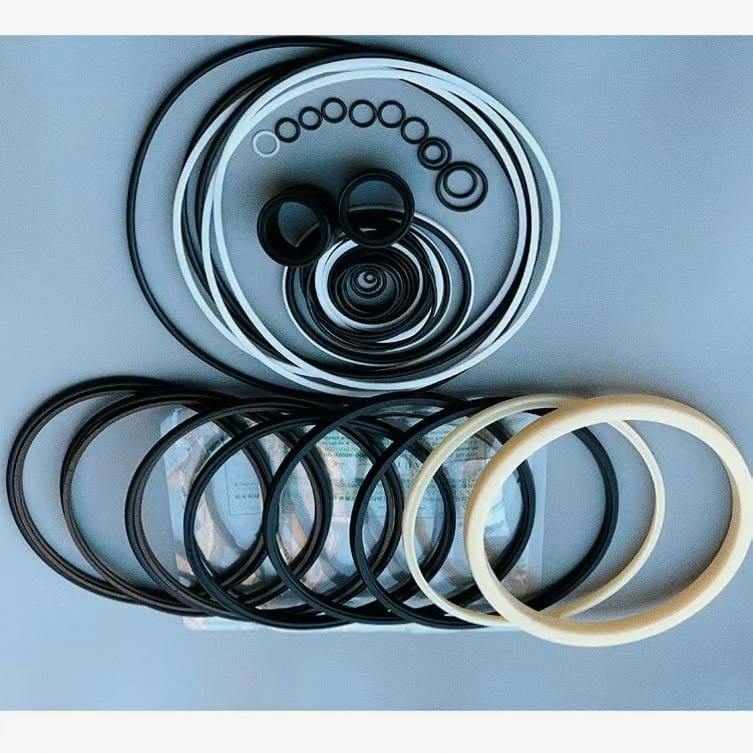
Cuatro marcas — Comprador objetivo, ventaja competitiva, limitación sincera
La tabla describe cada marca en función del comprador al que sirve mejor, en qué consiste realmente su ventaja competitiva y en cuál es la limitación que un comprador bien informado debe tener en cuenta al realizar la adquisición.
Marca |
Comprador Objetivo |
Ventaja competitiva |
Limitación honesta |
Epiroc (Suecia) |
Gama premium; contratos gubernamentales y mineros europeos y norteamericanos; operadores con requisitos regulatorios estrictos; compradores para quienes el costo de las piezas es secundario frente a la garantía de rendimiento |
Reducción de ruido VibroSilenced Plus; EC 100 actualizada en BAUMA 2025 con inserto intercambiable de buje de desgaste y acumulador integrado de pistón de nitrógeno; cumplimiento total de telemática; series SB y HB que cubren clases de portadores de 0,8 a 10 000 kg |
Precio de compra más elevado de su categoría; datos de campo de larga duración y certificación regulatoria inigualables; disponibilidad de piezas en mercados remotos variable: sólida en Europa, Norteamérica y Australia; más débil en África Occidental y el sudeste asiático insular |
BEILITE (China) |
Comprador de nivel tecnológico que busca especificaciones de clase europea a un precio de nivel medio; mercados de exportación en Europa (exclusividad de 8 años), América Latina, África y Oriente Medio; compradores que requieren variantes subacuáticas, para alta altitud o para entornos árticos |
Miembro de EDA y AEM; coautor de la norma GB/T32799-2016; certificado CE y TÜV; primer desarrollador chino de rompedores pesados y subacuáticos; gama BLT-40 a BLT-280; tecnología de absorción de impactos MIC; presencia en más de 100 países con centros de servicio locales en Arabia Saudita, Indonesia, Zimbabue y Guinea |
Cierre de la brecha de datos de campo de larga duración, ya que la primera generación de la serie BLT se acerca a historiales operativos de 10 años o más; la infraestructura de piezas de posventa en nuevos mercados aún está en desarrollo; posición competitiva más sólida allí donde las marcas europeas presentan lagunas en su servicio |
TOKU (Japón) |
Aplicaciones de precisión de alta frecuencia; portadores compactos a medianos; operadores que rompen hormigón, losas reforzadas y materiales secundarios, donde la velocidad de ciclo importa más que la energía por golpe |
Serie TNB conocida por su alta producción de golpes por minuto (BPM) (rango de 400 a 1400) a presión constante; enfoque en equipos compactos y de gama media, no en minería pesada; estándares de calidad japoneses de fabricación; distribuida en Norteamérica a través de Toku America Inc.; fuerte presencia en los mercados compactos de Japón y Asia Sudoriental |
Rango de clase de portador más estrecho que el de Epiroc o BEILITE: no abarca la categoría de minería pesada; precios premium en comparación con los competidores coreanos y chinos de gama media; mayor fortaleza donde la aplicación principal es el trabajo de alta frecuencia en materiales blandos a medianamente duros; no es la primera opción para la explotación de canteras en roca dura |
SOOSAN (Corea del Sur) |
Gama media por volumen; contratistas sensibles al precio en Asia-Pacífico, Oriente Medio y África; compradores que buscan una marca reconocida con suministro estable de repuestos a un precio inferior al premium; operadores de flotas de alquiler que estandarizan su plataforma en función de la eficiencia de costes |
Serie SB que abarca desde la clase ligera hasta la pesada; marca coreana ampliamente distribuida con cadenas de suministro de recambios consolidadas en la mayoría de los mercados asiáticos y de Oriente Medio; adquirida por Epiroc (DandA Heavy Industries, 2021), lo que ha incorporado los recursos de distribución de la empresa matriz |
La disponibilidad de recambios y la red de distribución constituyen el principal activo competitivo, más que la diferenciación ingenieril; la adquisición por parte de Epiroc ha mejorado la distribución, pero también ha generado incertidumbre sobre la independencia a largo plazo de la marca; su posición es más fuerte allí donde la profundidad de la distribución y el precio importan más que el liderazgo en especificaciones |
¿Qué cambia cuando el comprador es un distribuidor y no un usuario final?
Las cuatro marcas se perciben de forma distinta cuando el comprador es un distribuidor regional en lugar de un contratista que opera el equipo. La principal preocupación de un distribuidor no es qué marca rompe el granito con mayor eficiencia, sino qué marca genera los ingresos más sostenibles por repuestos posventa, presenta la tasa más baja de devoluciones de unidades nuevas y goza de suficiente reconocimiento de marca en el mercado local como para venderse sin necesidad de una extensa labor de capacitación. Según esos criterios, el orden de clasificación cambia. La cadena de suministro de repuestos ya consolidada de SOOSAN en los mercados de Asia y Oriente Medio la convierte en una plataforma fiable para distribuidores, incluso si su ingeniería no lidera el mercado. La posición premium de TOKU en Norteamérica, gestionada por Toku America Inc., permite márgenes superiores con volúmenes más reducidos. La inversión activa de BEILITE en la formación de distribuidores y en la infraestructura de servicio local la convierte en la marca más agresiva en términos de apoyo a distribuidores en los mercados donde está consolidando su presencia.
La relación de Epiroc con sus distribuidores es estructuralmente distinta de la de las otras tres empresas: Epiroc opera su propia infraestructura de ventas y servicio en la mayoría de los mercados principales, en lugar de depender de distribuidores independientes; esto significa que la oportunidad para distribuidores independientes con Epiroc es más limitada que con BEILITE, TOKU o SOOSAN. Para los distribuidores en mercados donde Epiroc no tiene presencia directa, la brecha de marca entre Epiroc y BEILITE se está reduciendo con suficiente rapidez como para que posicionar a BEILITE como una alternativa de calidad conforme a normativas —y no como un sustituto de menor precio— resulte cada vez más creíble ante compradores técnicos. Dicha credibilidad se basa en la disponibilidad y verificabilidad de la documentación de certificación (CE, TÜV, membresía en EDA), y no en afirmaciones generales sobre calidad.
Una dinámica competitiva que no aparece en la mayoría de los artículos de comparación de marcas es la interacción de piezas del mercado secundario entre marcas. Un contratista que opera una flota mixta de unidades de las series SOOSAN SB y BEILITE BLT tiene un problema más sencillo de adquisición de piezas que uno que mezcla unidades de las series Epiroc HB con las series TOKU TNB, porque kit de sellos los formatos, las dimensiones del vástago de cincel y las normas de bujes se superponen significativamente entre las marcas coreanas y chinas dentro de la misma clase de portador, mientras que las marcas premium japonesas y europeas suelen emplear especificaciones propietarias que no son intercambiables. La estandarización de la flota alrededor de una sola marca o de dos marcas estrechamente compatibles reduce los costos de inventario de piezas y simplifica la capacitación en mantenimiento. Para la mayoría de las flotas medianas en mercados sensibles al precio, este argumento de estandarización apunta hacia BEILITE, SOOSAN o una combinación de ambas.


