

 EN
EN
 AR
AR CS
CS DA
DA NL
NL FI
FI FR
FR DE
DE EL
EL IT
IT JA
JA KO
KO NO
NO PL
PL PT
PT RO
RO RU
RU ES
ES SV
SV TL
TL IW
IW ID
ID LV
LV SR
SR SK
SK VI
VI HU
HU MT
MT TH
TH TR
TR FA
FA MS
MS GA
GA CY
CY IS
IS KA
KA UR
UR LA
LA TA
TA MY
MY
Két fogyóeszköz, amely minden egyes ütést meghatároz
A nitrogén és a hidraulikus olaj az a két fogyóeszköz, amely minden mozgó alkatrésszel érintkezik egy Epiroc törőben minden egyes ütésnél. Nem ugyanazok, mint egy zárócsomag tömítéskészlet vagy egy véső – azok kopó alkatrészek, amelyeket üzemeltetési időközönként cserélnek ki. A nitrogén és az olaj folyamatosan jelen van, és bármilyen eltérés a megadott paraméterektől azonnali hatással van a teljesítményre, nem hetekkel vagy hónapokkal később.
Rendkívül fontos megérteni, hogy a hátsó fejben lévő nitrogénnyomás és az akkumulátorban lévő nyomás különböző, és különféle funkciókat lát el. Ezek nem cserélhetők fel egymással. A hátsó fejben lévő nitrogén gázrugóként működik – a összenyomott nitrogén hatalmas mennyiségű energiát tárol, és biztosítja a robbanásszerű erőt minden lefelé irányuló dugattyúmozgáshoz. Az akkumulátorban lévő nitrogén teljesen más célt szolgál: csillapítja a nyomáscsúcsokat a hordozó hidraulikus rendszerében, így biztosítva a sima és egyenletes működést, valamint védelmet nyújtva az excavátor szivattyúi és csövei számára a káros nyomásváltozások ellen. Képzeljük el a hátsó fejben lévő nitrogént a törő motorjaként, az akkumulátorban lévő nitrogént pedig hidraulikus biztosításként.
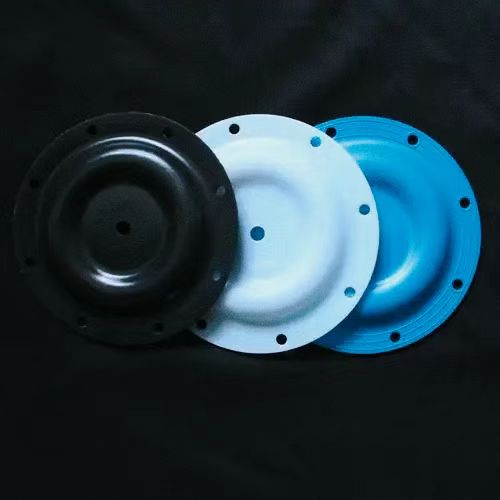
A hidraulikus olaj e két nitrogénrendszer között helyezkedik el. Átváltja az alapgép szivattyújának teljesítményét a kalapácsolási ciklusba, kenőanyagként működik a vezérlőszelep és a hengerfelületeken, valamint hőt távolít el az alkatrészekből folyamatos üzemelés közben. A karbantartásmentes, nagynyomású akkumulátor egy szabadalmazott dijker A támogatás folyamatos teljesítményt és magas megbízhatóságot nyújt – de ez a megbízhatóság feltételezi, hogy a membránnal érintkező olaj megfelel a membrán tervezéséhez szükséges viszkozitás- és tisztasági előírásoknak. Hibás olaj használata esetén a membrán gyorsabban degradálódik; az akkumulátor elveszíti előtöltését; a szivattyú elnyeli a nyomáscsúcsokat, amelyeket az akkumulátornak kellett volna elnyelnie.
Mi történik, ha nem tartják be a specifikációkat
Az alábbi táblázat az öt legfontosabb fogyóelem-specifikációs döntést tartalmazza, azt, mi a megfelelő specifikáció, mi történik a megszakító belsejében a helytelen specifikáció alkalmazása esetén, valamint azt, hogy milyen tüneteket észlel az üzemeltető a mezőn, mielőtt a károsodás visszafordíthatatlanná válna.
Fogyóeszköz |
Gyártó által megadott specifikáció |
A helytelen specifikáció hatása |
Mezői tünet |
Hátsó fej nitrogénje (gázrugó) |
Modellspecifikus nyomás; ellenőrizze meleg állapotban, 60–70 °C-on |
Túl alacsony → gyenge ütés; túl magas → az olaj nem tudja összenyomni az N₂-t, az akkumulátor nem képes energiát tárolni |
Lassú ütésperperc (BPM), gyenge ütések, ugráló tápellátó csövek |
Akkumulátor nitrogénje (ütközéselnyelő) |
Gyári előtöltés; elkülönítve a hátsó fejtől |
Túl alacsony → nyomáscsúcsok károsítják a hordozószivattyút; túl magas → dugattyú korlátozott mozgása, gyors kapcsolás |
Csőugrás, túlmelegedés, hordozószivattyú kopása |
Hidraulikaolaj — viszkozitás |
ISO VG 46 HM legtöbb Epiroc modellhez; ellenőrizze a kezelési útmutatót |
Túl vékony (VG 32): nyomás alatt a védőréteg összeomlik; túl vastag (VG 68+): lassú hidegindítás, hőfejlődés |
Túlmelegedés, csökkent ütőerő, tömítések duzzadása vagy összehúzódása |
Hidraulikaolaj — tisztaság |
ISO 4406 osztály a megadott érték szerint; szűrő β≥200 értékkel |
Szennyezett olaj gyorsítja a vezérlőszelep és az akkumulátor membránjának kopását |
Nem egyenletes BPM, belső karcolás, szelepszorítás |
Gáz típusa |
Csak száraz nitrogén (N₂); soha ne használjon sűrített levegőt vagy oxigént |
A nyomás alatt álló hidraulikus olajhoz keveredett levegő vagy oxigén robbanási kockázatot jelent |
BIZTONSÁGI KOCKÁZAT — az akkumulátor felrobbanásának kockázata |
Gyakorlati ellenőrzések és illesztési útmutatók
A nyomást a kalapács működési hőmérsékletén, 60–70 °C között kell ellenőrizni. Ez a követelmény nem véletlenszerű: a gáznyomás emelkedik a hőmérséklet növekedésével, és egy hideg állapotban végzett mérés alacsonyabb nyomást mutat, mint amilyen nyomáson a berendezés ténylegesen üzemel, ami miatt az üzemeltető túltöltheti a rendszert. Minden Epiroc törőmodellhez külön, gyári ajánlások szerint meghatározott nyomásbeállítás tartozik, amelyeket a mérnökök optimalizált teljesítmény és biztonság érdekében határoztak meg. A nitrogénrendszer ellenőrzése vagy feltöltése előtt mindig tanulmányozza az adott modell hivatalos üzemeltetési és karbantartási kézikönyvét. A helytelen nyomásértékek alkalmazása rossz teljesítményt és potenciális berendezés-károsodást eredményezhet.
A hidraulikus kalapács tápellátó csövei, amelyek túlzottan ugrálnak vagy pattognak, gyakori jelei annak, hogy a nitrogénkamrát újratölteni kell. Ez a látható mezőjel egyike azon kevés korai figyelmeztető jeleknek, amelyeket az üzemeltető észlelhet a teljesítmény mérhető romlása előtt. Egy gyenge vagy lassú ütési ciklus a megfelelő visszanyomás hiányának megfelelő jele – de addigra, amíg ez nyilvánvalóvá válik, a törő már hosszabb ideje a névleges teljesítmény alatt működik, és minden műszakban csökken a termelékenység, mióta a nyomás a megadott érték alá csökkent.
A hidraulikus olaj esetében az ISO VG 46 HM a szabványos előírás a legtöbb Epiroc közepes és nehéz szerszám esetében, amelyek normál környezeti hőmérsékleten üzemelnek. Az ISO VG 46 ideális nehézgépekhez, például építőgépekhez – mint az excavátorok –, amelyek igényes környezetben, például építési területeken működnek; magasabb viszkozitása jobb kenést és védelmet biztosít magas hőmérséklet és nyomás mellett. Hideg éghajlati körülmények között, ahol az indítási hőmérséklet 10 °C alá csökken, konzultáljon a modell kezelési útmutatójával: egyes Epiroc egységek téli üzemre alacsonyabb viszkozitású olajt is elfogadnak, hogy elkerüljék a hidraulikus körben a sűrű olaj okozta lassú, hidegindítási reakciót. A különböző minőségi osztályok keverése vagy nem előírt adalékcsomag használata tömítések duzzadását vagy összehúzódását, vezérlő szelepek ragadását, valamint üledékképződést (lakkfoltokat) okozhat a tárolókörben – ezek a problémák teljes rendszerkiürítést igényelnek a megoldáshoz, ami jelentősen magasabb költséggel jár, mint ha már kezdettől fogva a megfelelő olajt használták volna.


