33-99No. Mufu E Rd. Gulou District, Nanjing, China [email protected] | [email protected]
33-99No. Mufu E Rd. Gulou District, Nanjing, China [email protected] | [email protected]

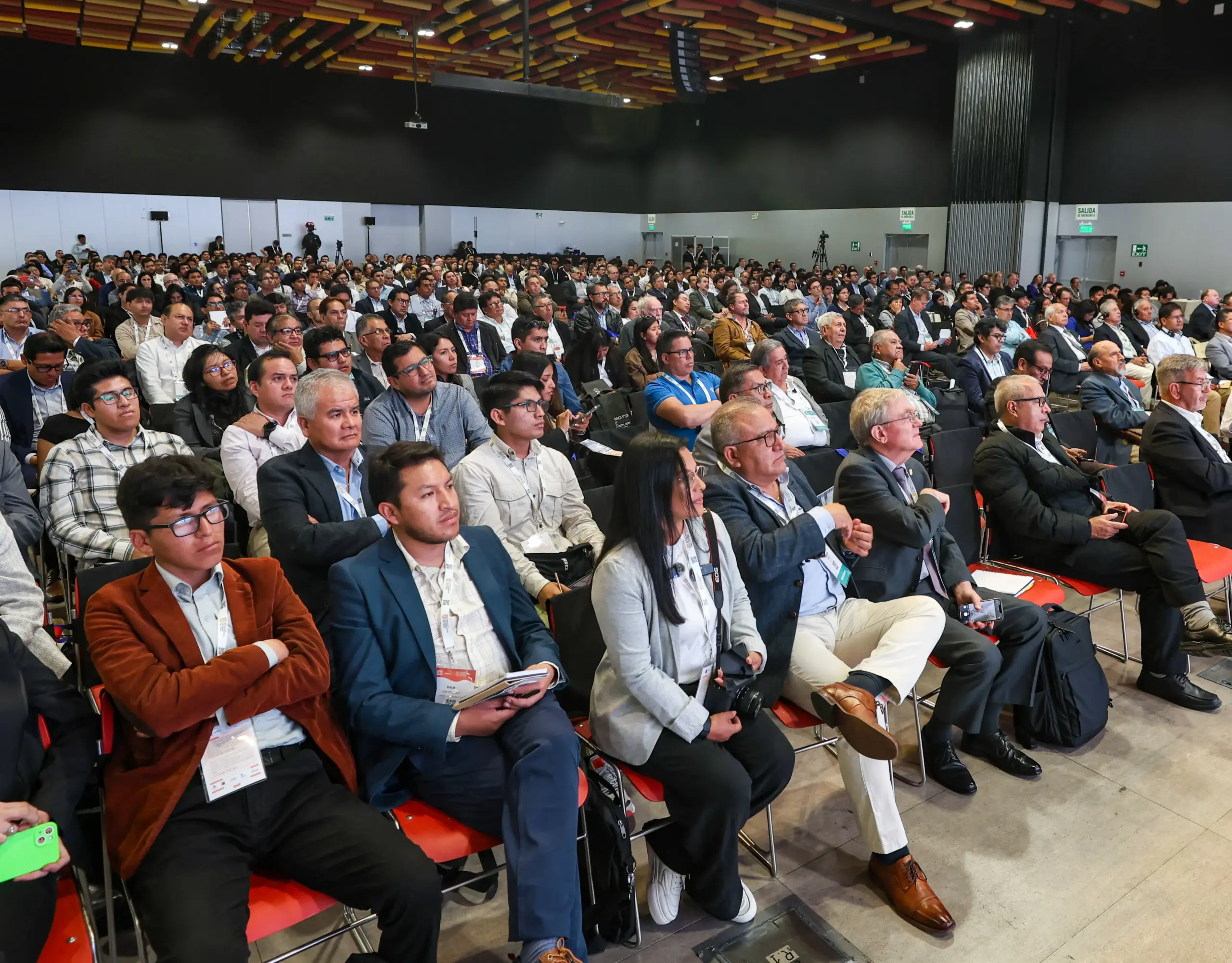
La maggior parte delle fiere minerarie si concentra fondamentalmente sull’equipaggiamento: macchine su basi espositive, schede tecniche, negoziazioni sui prezzi, incontri con i distributori. Il World Mining Congress è diverso: l’equipaggiamento rimane a casa. Ciò che arriverà a Lima nel giugno 2026 è qualcosa di più difficile da imballare in una cassa: le persone che dirigono le più grandi aziende minerarie del mondo, i ministri che le regolamentano, gli accademici che le studiano e gli investitori che le finanziano. Tremila di loro, provenienti da oltre 50 paesi, nello stesso centro congressi per tre giorni.
Il 27° Congresso Mondiale delle Miniere si svolgerà dal 24 al 26 giugno presso il Centro Congressi di Lima a San Borja. È organizzato dall’Istituto degli Ingegneri Minerari del Perù — l’IIMP — un’istituzione con 81 anni di storia nel settore minerario peruviano. Il Perù aveva ospitato l’ultima edizione del Congresso 52 anni fa. Il ritorno è intenzionale: il Perù è il secondo produttore mondiale di rame e detiene riserve significative di oro, argento, zinco, piombo e litio. Ospitare il WMC a Lima rappresenta una dichiarazione inequivocabile di questo ruolo in un momento in cui il dibattito globale sulla fornitura di minerali critici non è mai stato così carico di implicazioni commerciali e politiche.
Ciascuno dei tre giorni ha uno scopo distinto. Il primo giorno è dedicato alla leadership, alla visione e all’urgenza di trasformare il modo in cui il settore concepisce il proprio ruolo. Beau Lotto, amministratore delegato di Lab of Misfits e ricercatore nel campo delle neuroscienze della presa di decisioni, apre il congresso — una scelta insolita per un incontro del settore minerario e un segnale intenzionale che il WMC non dedicherà i tre giorni a miglioramenti operativi marginali. Il professor Bent Flyvbjerg dell’Università di Oxford, il cui studio sulle ragioni del fallimento dei grandi progetti infrastrutturali è lettura obbligata negli ambienti che si occupano di progetti con ingenti investimenti, analizzerà le cause per cui gli ampliamenti nel settore minerario deludono così spesso in termini di costi e tempi di realizzazione.
Il secondo giorno si concentra sulle prestazioni degli asset e sulla competitività — la realtà operativa di far produrre di più, in modo più efficiente e a costo unitario inferiore, alle miniere esistenti. I CEO di Antofagasta, Minsur e Ivanhoe Mines partecipano a tali discussioni. Il terzo giorno affronta tecnologia e trasformazione: scoperta di minerali, sistemi digitali, operazioni autonome e cambiamento organizzativo necessario per rendere la tecnologia implementabile su larga scala, anziché limitata a programmi pilota. Il congresso si conclude con un intervento chiave sul tema di come prosperare nell’incertezza — che, a tutti gli effetti, rappresenta una descrizione precisa di ciò su cui le aziende minerarie concentrano gran parte del loro tempo.
La decisione del Perù di dichiarare la WMC 2026 una questione di interesse nazionale — formalizzata mediante una risoluzione ministeriale pubblicata nella gazzetta ufficiale dello Stato — riflette l’importanza che il governo peruviano attribuisce all’evento come piattaforma commerciale e di immagine. Il Ministro dell’Energia e delle Miniere è direttamente coinvolto nei preparativi. Per un paese che deve affrontare la difficile combinazione di immense ricchezze minerarie, complessità nelle relazioni con le comunità locali e necessità di attrarre capitali stranieri su larga scala, tre giorni di attenzione concentrata da parte della leadership mondiale del settore minerario rappresentano effettivamente una strategia vincente.
Il timing coincide con l'Inti Raymi, il festival andino del Sole celebrato il 24 giugno, al quale gli organizzatori del congresso hanno intenzionalmente fatto riferimento come simbolo di rinnovamento. Questa scelta non è casuale. Il tema del congresso — Fiducia, Trasformazione, Tecnologia — invita il settore a riflettere su quale potrebbe essere una nuova relazione tra l’industria mineraria e il mondo in cui opera. Organizzare tale dibattito durante una festività ancestrale legata a nuovi inizi, in un paese che è al tempo stesso un gigante del rame e un emblema delle tensioni legate alla legittimazione sociale dell’attività mineraria, rappresenta una scelta coerente.
CATEGORIA |
Dettagli |
Nome dell'evento |
Congresso Mondiale delle Miniere 2026 (WMC 2026) — 27ª edizione |
Date |
24–26 giugno 2026 |
Sede |
Centro Congressi di Lima, Calle del Comercio 192, San Borja, Lima, Perù |
Tema |
Estrarre per il futuro: Fiducia, Trasformazione, Tecnologia |
Mark Cutifani porta sul palco della sessione plenaria quasi cinque decenni di esperienza operativa nel settore minerario, maturata su sei continenti. Il suo mandato come Amministratore Delegato di Anglo American dal 2013 al 2022 è ampiamente studiato come caso esemplare di trasformazione industriale su larga scala: ha raddoppiato la produttività e ridotto i costi unitari reali del 40 per cento, ridefinendo contemporaneamente la posizione strategica dell’azienda in termini di sostenibilità. Averlo nello stesso programma di Flyvbjerg e Lotto crea una combinazione insolita di credibilità operativa, rigore accademico e scienze cognitive, che la maggior parte degli incontri settoriali non tenta neppure.
Il Congresso Mondiale delle Miniere non prevede un'area espositiva dedicata alle attrezzature. Questa distinzione è fondamentale. Le aziende che partecipano al WMC lo fanno per essere presenti nella stanza in cui viene definita la direzione del settore — per comprendere le priorità di investimento, i divari tecnologici, le pressioni normative e le aree geografiche di maggiore interesse che influenzeranno le decisioni di approvvigionamento nei successivi tre-cinque anni. Per i fornitori di frantumatori idraulici e di accessori per demolizione con ambizioni sui mercati minerari andini — le operazioni rame-oro del Perù, la cintura di rame porfirico del Cile, il settore aurifero in espansione della Colombia — il congresso di Lima rappresenta il punto di accesso più denso alla fascia decisionale di tale mercato. Gli acquirenti non porteranno con sé ordini d’acquisto. Tuttavia, le conversazioni che porteranno a tali ordini hanno inizio in sale come queste.

Welcome to HOVOO, a Chinese seal factory. Production of PU, Rubber and PTFE seals. The seals include O-ring, piston seal, rod seal, Gray ring and gas seal.


 EN
EN
 AR
AR CS
CS DA
DA NL
NL FI
FI FR
FR DE
DE EL
EL IT
IT JA
JA KO
KO NO
NO PL
PL PT
PT RO
RO RU
RU ES
ES SV
SV TL
TL IW
IW ID
ID LV
LV SR
SR SK
SK VI
VI HU
HU MT
MT TH
TH TR
TR FA
FA MS
MS GA
GA CY
CY IS
IS KA
KA UR
UR LA
LA TA
TA MY
MY
