

 EN
EN
 AR
AR CS
CS DA
DA NL
NL FI
FI FR
FR DE
DE EL
EL IT
IT JA
JA KO
KO NO
NO PL
PL PT
PT RO
RO RU
RU ES
ES SV
SV TL
TL IW
IW ID
ID LV
LV SR
SR SK
SK VI
VI HU
HU MT
MT TH
TH TR
TR FA
FA MS
MS GA
GA CY
CY IS
IS KA
KA UR
UR LA
LA TA
TA MY
MY
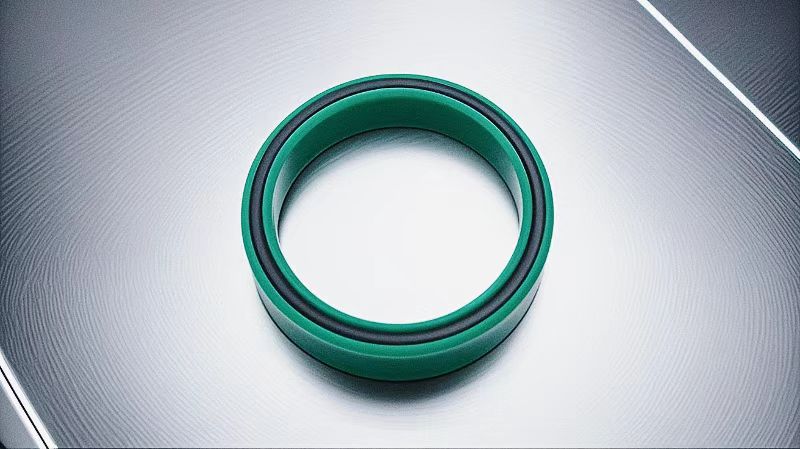
שלושה מספרים קובעים האם מפרק הידראולי יבצע את המשימה שעבורה הוא משווק: כמה חזק הוא בהדפה, כמה זמן נמשכים החלקים הנסבלים לבלאי שלו, וכמה זמן הוא שומר על הלחץ. כל שאר המפרטים נגזרים מאלו השלושה. ובכל זאת, השוק של מפרקי הידראוליקה מלא עדיין במספרים שאינם ניתנים להשוואה בין מותגים — דוגמת ערכי אנרגיית ההדף שמקורם בשיטות מדידה שונות, טענות להתנגדות לבלאי ללא ציון דרגת החומר, ותקופות חיים של חוסמים שמניחות תנאי עבודה אידיאליים. כדי להבין את המדדים המרכזיים יש לדעת מה כל מספר באמת מסמל ואיך הוא נגזר.
אנרגיית ההדף: בעיית המדידה
אנרגיה של פגיעה היא הדרישה הטכנית החשובה ביותר למקטוע הידראולי, וגם הלא סטנדרטית ביותר בספרות על המוצרים. בשנת 1991, איגוד יצרני הציוד (AEM) פיתח מערכת בדיקה אוניברסלית כדי לספק לקונים בסיס עקבי להשוואה. Epiroc כפי שמעריך האנליזה התעשייתי שפורסם על ידי 'ס', הבעיה היא שהמערכת פעלה כה טוב עד שרק מעטים מאוד מהיצרנים ממשיכים להשתמש בה. רוב דפי הספציפיקציות מציינים יחידות של רגל-פאונד או ג'ול כאילו היו זהות — אך אחת מהן היא ערך נמדד ומאושר על ידי AEM והשנייה היא הערכה של היצרן המבוססת על חישוב. אלו אינם ערכים ניתנים להשוואה, גם כאשר הם משתמשים באותה יחידה.
ההשלכה המעשית: בעת השוואת אנרגיית הפגיעה בין מותגים, יש לשאול אם המספר נגזר מבדיקה סטנדרטית (AEM או CIMA) או מהערכה עצמית של היצרן. דירוג מאושר על-ידי AEM של 3,000 J מספק 3,000 J במקלעת. הערכה של היצרן ל-3,000 J עשויה לספק כמות משמעותית יותר או פחות. ביישומים בסלעים קשיחים, שבהם סף האנרגיה למכה הוא הגורם המכריע, ההבחנה הזו אינה תיאורטית בלבד.
תResistance לבלאי: דרגת הפלדה היא הספציפיקציה
תResistance לבלאי ברכיבי שובר הידראולי נקבעת בשני גורמים: דרגת הפלדה והטיפול החום. הסטנדרט התעשייתי למקלעות ולפיסטונים הוא פלדת סגסוגת 42CrMo עם קשיות משטחית של HRC 52–58. שילוב זה מספק קשיות משטחית כדי להתנגד לבלאי, תוך שמירה על עמידות ליבתית מספקת לספיגת זעזועי פגיעה חוזרים ללא שבר. פלדת הסגסוגת 42CrMoA, שמבוססת על בקרת סגסוגת מדויקת יותר ומעבדת חום معدلת, מאריכה את זמן השירות ב-20–40% בסביבות כרייה בעלות בלאי גבוה.
פלדת המארז היא מפרט נפרד. יצרנים איכותיים משתמשים בפלדה עמידה בפני שחיקה כגון Hardox 500 או שווה ערך ללוחות המארז ול אזורי שחיקה. קוטר הצילינדר מעובד במדויק לפי סובלנות ISO — הפער בין הפיסטון לצילינדר משפיע ישירות על عمر החִתּוּך ועל יעילות הלחץ. קוטר צילינדר לא עגול ב-0.05 מ"מ שנראה מקובל בבדיקה ויזואלית יפחית את عمر החִתּוּך בחצי.
ביצועי החתימה: דרגת החומר וקצב המחזורים
תפקוד החותם מדרדר משני מקורות: אי תאימות כימית לסביבת הפעולה, ועייפות מכנית מחזיות המבנה. חותמים סטנדרטיים מסוג NBR מתפקדים היטב עד ל-80° צלזיוס בסביבה. מעל 100° צלזיוס — אשר מתרחשת בקרבת מכלים חמים, בסביבות גובה רב עם אוויר דליל, או לאחר פעילות רציפה ממושכת — ה-NBR מתקשה, מאבד את הגמישות שלו ודולף. TPU (פוליאוריטן) מסוגל להתמודד עם קצב מחזיות גבוה יותר ללא התפוררות עייפות ומתאים לעבודות הרס בטון בעוצמה גבוהה (BPM). FKM (ויטון) הוא הסוג המומלץ לסביבות שמעל 100° צלזיוס או בהבעה למים מלוחים. מפרק המכה בקצב של 600 BPM שפועל 8 שעות מבצע כמעט 300,000 תנועות של המבנה בכל משמרת — ובהתאם לקצב זה, בחירת חומר החותם משפיעה על פרק הזמן בין תחזוקות: אם נבחר חומר לא מתאים, הפרק יקטן מ-800 שעות ל-200 שעות.
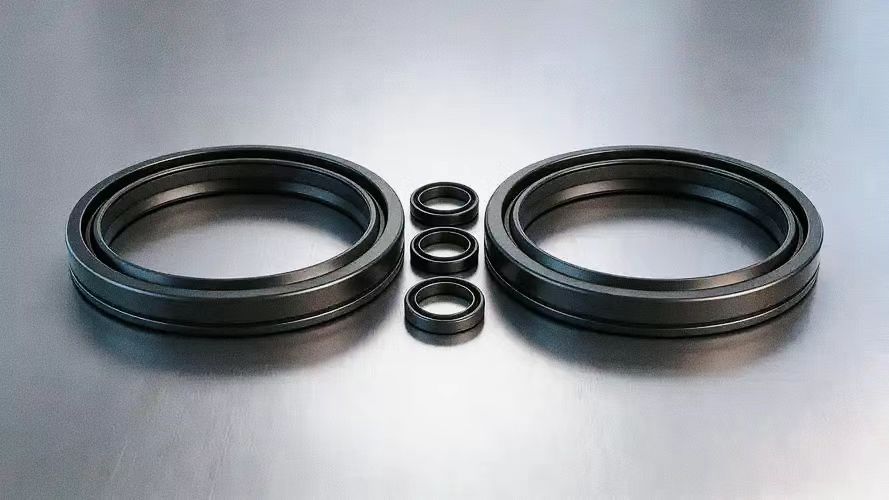
הוֹבוֹ וְהוּפוּ מייצרים קִיטֵי חֲתֹם במרכיבי NBR, TPU ו-FKM מתאימים למקטעים של BEILITE ולמקטעים מבוססי פלטפורמה גדולה, עם דירוגי לחץ מאושרים על ידי AEM. קבוצות חלקים נמצאים בשימוש כולל דרגות קיסם של 42CrMo ו-42CrMoA. פרטים באתר: https://www.hovooseal.com/
טבלת הפניות למטריקות המרכזיות
מטריקה מרכזית |
מה היא מודדת |
איך לקרוא אותה באופן ביקורתי |
אנרגיה של הפגיעה (ג'ול או רגל-פאונד) |
הג'ולים שמועברים לקדוש בכל פגיעה |
רק נתונים מאומתים על-ידי AEM/CIMA; הערכות יצרנים אינן ניתנות להשוואה בין מותגים |
BPM (מכות לדקה) |
תדירות הפגיעות בזרימה המדורגת |
בזרימה של 100 ליטר לדקה לעומת 150 ליטר לדקה — אותו מחבר מייצר תדר שונה של פגיעות לדקה; הזרימה חשובה |
דרגת פלדה למקדחה |
יכולת התנגדות לשחיקה |
42CrMo (סטנדרטי) לעומת 42CrMoA (לשימוש במחצבים); קשיות שטחית HRC 52–58 |
דרגת חומר החתימה |
ביצועי החתימה תחת לחץ/טמפרטורה |
NBR (סטנדרטי, <80°צ); TPU (למחזורים רבים); FKM (>100°צ או יישומים במים מלוחים) |
אנרגיה מתקפתית של שובר הידראולי מאושרת על-ידי AEM | מקדחה מפלדה 42CrMo עם התנגדות לשחיקה | חומרי חתימה: NBR, TPU, FKM | מדדים מרכזיים לבחירת שובר | HOVOO | HOUFU | hovooseal.com


