

 EN
EN
 AR
AR CS
CS DA
DA NL
NL FI
FI FR
FR DE
DE EL
EL IT
IT JA
JA KO
KO NO
NO PL
PL PT
PT RO
RO RU
RU ES
ES SV
SV TL
TL IW
IW ID
ID LV
LV SR
SR SK
SK VI
VI HU
HU MT
MT TH
TH TR
TR FA
FA MS
MS GA
GA CY
CY IS
IS KA
KA UR
UR LA
LA TA
TA MY
MY
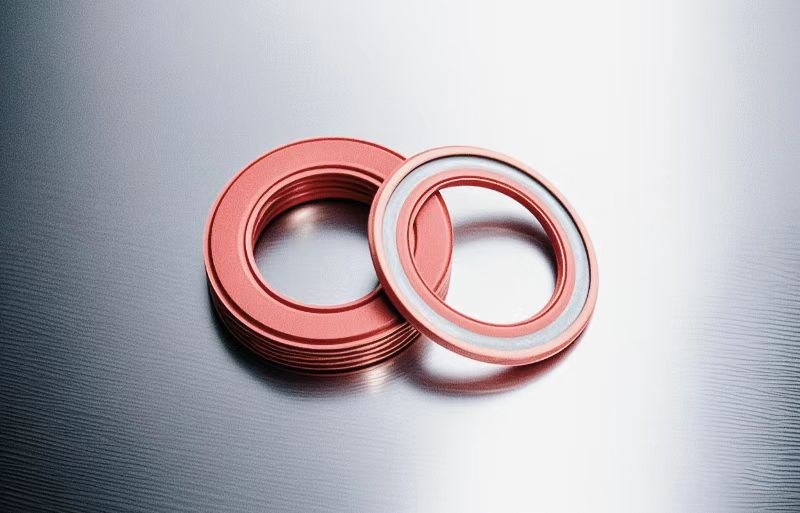
Უმეტესობა მომხმარებლების იცის, რომ ჰიდრავლიკური დარტყმის მოწყობილობა ძლიერ დაერტყმის. მცირე რაოდენობა იცის, რატომ ზოგიერთი დარტყმის მოწყობილობა 2000 საათის შემდეგაც ისევ ძლიერ დაერტყმის — ხოლო სხვები 500 საათის შემდეგ უკვე დაინგრევა. განსხვავება თითქმის ყოველთვის იმაში მდგომარეობს, თუ როგორ აკეთებს მოწყობილობა ერთდროულად მოცვლას და წნევის გარდაქმნას.
Ჰიდრავლიკური დამხსნელი ზეწოლის ქვეშ მყოფ ზეთს აქცევს მექანიკურ შეჯახების ძალად პისტონების, ვალვების და აზოტის კომპარტმენტების სწორი სისტემის მეშვეობით. ზეთის გატარების სიჩქარე და სამუშაო წნევა უნდა შეესაბამებოდეს დამხსნელის მოთხოვნებს — ჩვეულებრივ სტანდარტული გამოყენების შემთხვევაში ეს მერყეობს 100–200 ბარ შორის. ეს დიაპაზონი მნიშვნელოვანია. სპეციფიკაციებს გარეთ მუშაობის დამხსნელი არ ასრულებს მხოლოდ ცუდად საკუთარ ფუნქციას; იგი სწრაფად იხსნება ყველა ზედაპირზე, რომელსაც ეხება.
Სად ხდება ფაქტობრივად აბრაზიული მოცვლა
Პისტონი არის ძირეული კომპონენტი, რომელიც ახორციელებს შეჯახების ენერგიის გადაცემას. როდესაც ჰიდრავლიკური სითხე შედის ცილინდრის შეკრებაში, იგი აწევს პისტონს ზევით, რაც ენერგიის დაგროვებას გულისხმობს. შემდეგ ეს ენერგია გამოსვლის დროს გადაეცემა ქვედა მიმართულებით და გადაიცემა ჩიზელის მეშვეობით მიზნის მასალაში. ეს ციკლი მეორდება წუთში ასობით ჯერ. ყველა სტროკი ტვირთავს წინა ბუშინგს, ინსტრუმენტის შემჭიდროებლის და ცილინდრის კედელს.
მწარმოებლები, როგორიცაა HOVOO და HOUFU, ამ პრობლემას ამოხსნის მიზნით პისტონისა და ცილინდრის მაღალი ძალის აბრაზიულად მედეგი ფოლადის გამოყენებას არჩევენ და პროექტავენ ჩაკეტის კიტები რომელიც შეძლებს გაძლევას ექსტრემალურ წნევასა და ტემპერატურას. ეს ჟღერს მარტივად. პრაქტიკაში ეს ნიშნავს, რომ საწარმოში მასალების მომარაგების გადაწყვეტილებები განსაზღვრავენ, თუ რამდენი საათით გაძლევს მომხმარებლის მიერ გამოყენებული დამხსნელი. HOVOO-ს სილინდრის სილიკონის დიზაინის შესახებ მეტი: https://www.hovooseal.com/
Წინა ბუშინგი არის ის ადგილი, სადაც უმეტესობა მომხმარებლები პირველად ამჩნევენ მოხმარებას. ის მართავს ხელსაწყოს და შეიძლება მიიღოს გვერდითი ტვირთი, რომელიც მოდის კუთხით მუშაობის დროს. როდესაც ის დაინგრევა, ხელსაწყო იწყებს რხევას — ხოლო რხევა არის ენერგიის დაკარგვა, არ არის გადაცემული.
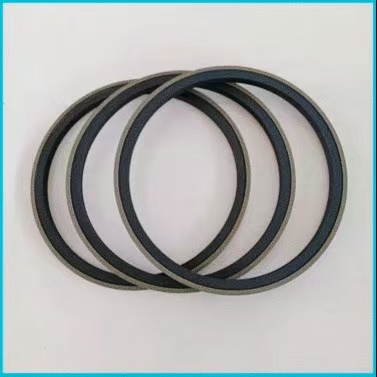
Წნევის გარდაქმნა და აკუმულატორის როლი
Აკუმულატორი არის აზოტით შევსებული წნევის კომპარტმენტი. იგი აგროვებს დამატებით ენერგიას დაბალი წნევის ფაზების დროს, რათა დაეხმაროს პისტონის ქვემოთ მოძრაობას, ასევე ამცირებს წნევის ტრანსიენტებს, რომლებიც წარმოიქმნება პისტონის უკან დაბრუნების ან ინსტრუმენტის შეჯახების დროს. საკმარისი აზოტის წნევის არ არსებობის შემთხვევაში მოწყობილობის ეფექტურობა მცირდება და შიგნით მომხმარებლის მოცვლა იზრდება — ეს ორი პრობლემა ერთმანეთს უფრო მეტად აძლიერებს.
Ბევრი ეფექტურობის პრობლემა გამოწვეულია არასწორი აზოტის წნევით, კლაპნების დროის არ შერჩევით ან არასწორი ინსტრუმენტის შერჩევით, არა კი საკუთარად ბრეიკერით. ეს მოსახსენიებელი მომენტი ნებისმიერ სამშენებლო მოედანზე უნდა განმეორდეს: ბრეიკერი არის ენერგიის გარდამქცელი, ხოლო მისი გამომავალი ხარისხი დამოკიდებულია შემავალი ხარისხზე. არ შერჩევილი ტრანსპორტირების ჰიდრავლიკური სისტემა არის მიზეზი კონტროლის კლაპნებსა და პისტონებში საჭიროების გარეშე ადრეული სილიკონის სარეზერვო ელემენტების დაზიანების მთავარი მიზეზი.
Ძირევადი აბრაზიული მოწინააღმდეგების დიზაინის ელემენტები
Დიზაინის ელემენტი |
Ფუნქცია და სარგებელი |
Გამაგრებული შენადნობის ფოლადის პისტონი |
Ამცირებს შიგნით მომხმარებლის მოცვლას მეტჯერადი შეჯახების დროს |
Აზოტის აკუმულატორი |
Სტაბილიზაციას ახდენს წნევას და აძლიერებს შეჯახების ენერგიას |
Აბრაზიული მოწინააღმდეგების წინა ბუშინგი |
Ინსტრუმენტის არხს იცავს გვერდითი ტვირთის გამო მომხმარებლის მოცვლის წინააღმდეგ |
Სიზუსტის მაღალი კლაპნების დროგანაკვეთა |
Უზრუნველყოფს სტაბილურ შეკვეთების სიხშირეს (500–1300 შეკვეთა/წუთში) |
Პრაქტიკული შედეგები გრძელვადი გამოყენებისთვის
Მკვრახი კომპონენტებითა და მოწინააღმდეგო ცხელების წინააღმდეგ მდგრადი ინსტრუმენტული ნაკეთობებით დაკომპლექტებული დარტყმის მოწყობილობის არჩევა გაზრდის მის სამსახურო ხანგრძლივობას მკაცრი პირობებში. თუმცა, კონსტრუქციული არჩევანები მხოლოდ მისდევს გარკვეულ ზღვარს. ექსპლუატატორების მიერ დარტყმის მოწყობილობის მუშაობა ხელსაწყოს ზედაპირზე არ დაჭერის მდგომარეობაში („სუფთა“ მუშაობა) იწვევს ძლიერ შოკურ ტალღებს, რომლებიც მოწყობილობაში გავრცელდება ენერგიის შემაბსორბებელი მასალის გარეშე. ეს არის ძირეული მიზეზი კავშირის საფირებისა და პისტონების გამოყენების დროს მოხდება დაზიანების მიუხედავად იმისა, თუ რამდენად ხარისხიანად არის დამზადებული დარტყმის მოწყობილობა.
HOVOO და HOUFU ჰიდრავლიკური დარტყმის მოწყობილობები შეიმუშავებულია სტაბილური წნევის გარდაქმნის ეფექტურობის უზრუნველსაყოფად, ხოლო სილიკონის და ბუშინგების სიცოცხლის გასაგრძელებლად. ამ ტექნიკური აღჭურვილობის მოქმედების პრინციპის გაგება ეხმარება ექსპლუატატორებს ამ ინვესტიციის დაცვაში: შეარჩიეთ შესაბამისი მანქანა-მატარებელი, შეინარჩუნეთ აზოტის შევსება და არ დააშვით ჰამერი სითხის გარეშე.
ჰიდრავლიკური დარტყმის მოწყობილობის მოქმედების პრინციპი | მოწინააღმდეგო ცხელების წინააღმდეგ მდგრადი ჰიდრავლიკური ჰამერი | წნევის გარდაქმნის დარტყმის მოწყობილობა | HOVOO | HOUFU | hovooseal.com


