

 EN
EN
 AR
AR CS
CS DA
DA NL
NL FI
FI FR
FR DE
DE EL
EL IT
IT JA
JA KO
KO NO
NO PL
PL PT
PT RO
RO RU
RU ES
ES SV
SV TL
TL IW
IW ID
ID LV
LV SR
SR SK
SK VI
VI HU
HU MT
MT TH
TH TR
TR FA
FA MS
MS GA
GA CY
CY IS
IS KA
KA UR
UR LA
LA TA
TA MY
MY
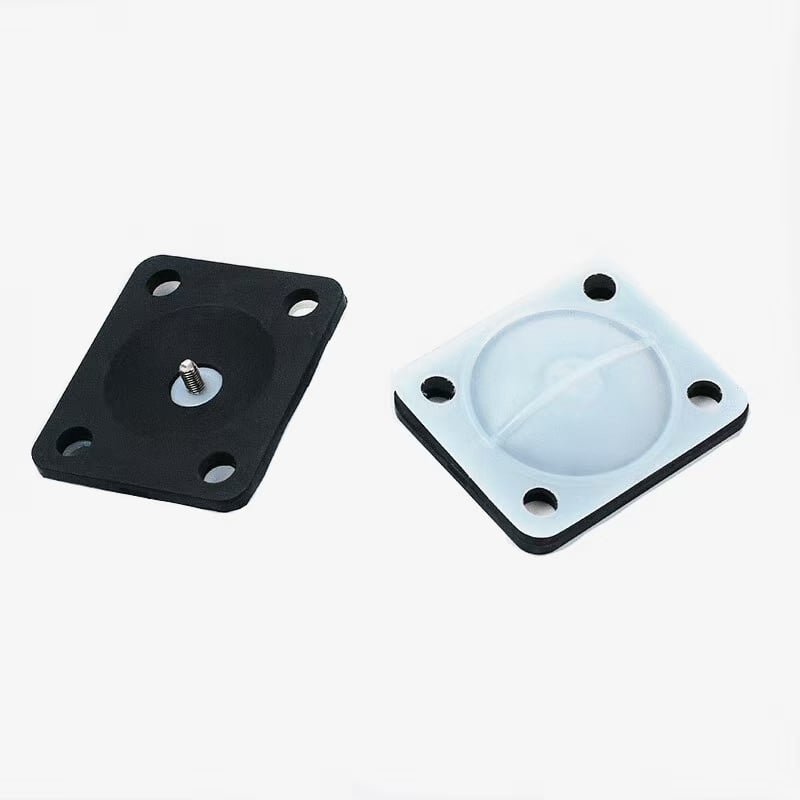
RD22U აკუმულატორი დიაფრაგმა მუშაობს უფრო მოთხოვნელ პირობებში, ვიდრე RD18U ანალოგი — მძიმე პერკუსიული კლასი მუშაობს უფრო მაღალი წინარე შევსების წნევით, უფრო დიდი წნევის ცვლილებით თითოეულ პერკუსიულ ციკლში და შესაბამისად უფრო მაღალი მექანიკური დატვირთვით დიაფრაგმის მემბრანაზე თითოეულ გამოყენების დროს. აგნიკო იგლის ჰოპ ბეის (ნუნავუტი) ოქროს პროექტში და ნიუმონტის ბორდენის (ონტარიო) ოპერაციებში კანადური გარემო თერმული მომწიფების დამატებით ფაქტორს ამატებს: ნუნავუტის −40°C გამავალი ზამთრები წლების განმავლობაში დიაფრაგმის რეზინს ხდის მყისკეს, ხოლო ონტარიოს სიჩხარეს და სიტბილს შემცველი მიწაქვეშე გასასვლელები თბილ-ტენგე მომწიფების გარემოს ქმნის, რომელიც აჩქარებს NBR კომპოუნდებში ოქსიდაციურ კრების პროცესს.
Ანტი-აგინგის დიაფრაგმის კომპოზიციები RD22U-სთვის იყენებენ წყალბადით შემცირებულ ნიტრილ ბუტადიენის რეზინას (HNBR) ან სპეციალურ ნიტრილის ფორმულირებას ანტიოქსიდანტური პაკეტებით, რომლებიც წინააღმდეგობას აძლევენ როგორც თერმულ ემბრიტელებას, ასევე ოქსიდაციურ გახშირებას დიაფრაგმის რამდენიმე წლიანი ექსპლუატაციის ხანგრძლივობის განმავლობაში. სტანდარტული NBR კომპოზიცია კანადის ქვემიწა გარემოში 18–24 თვეში შეიძლება შეამჩნიოს გარკვეული სიხშირის მატება — რეზინის ელასტიკური მოდული იზრდება, მისი სრული წნევის ცვალებადობის დიაპაზონში გამოყენების უნარი მცირდება და დიაფრაგმის პერკუსიული წრედისთვის მიწოდებული ეფექტური ბუფერირების ფუნქცია დეგრადირდება ნებისმიერი წინასწარი შევსების კარგვას ან ხილული დაზიანების მოხდენამდე.
Დიაფრაგმის აგინგი და ფუნქციონალური დეგრადაცია კანადის პირობებში
Მდგომარეობა |
NBR-ის აგინგის ტემპი |
HNBR-ის აგინგის ტემპი |
Ფუნქციონალური ზემოქმედება |
Აღმოჩენის მეთოდი |
Არქტიკული ცივი ციკლირება (ნუნავუტი) |
Ემბრიტელება 18 თვის შემდეგ |
Მინიმალური — 36+ თვე |
Ცივ სტარტში გამოყენების შემცირება |
Ცივი პერკუსიის ხმის არეგულარობა |
Ონტარიოს ქვემიწა (ტენიანი, თბილი) |
Ოქსიდაციური გამაგრება 14 თვის შემდეგ |
Სტაბილური 30 თვე მდე |
Დაბალი წნევის ცვლილების შეწოვა |
Პერკუსიული წნევის ოსცილაცია იზრდება |
Შერეული სეზონური (უმეტესად კანადური სადგურები) |
Კომბინირებული; 18–20 თვე |
Სტაბილური 30+ თვე მდე |
Ცვალებადი; ყველაზე ცუდი ზამთარში |
Წინასწარ შევსების დაკარგვის სიჩქარის გაზრდა |
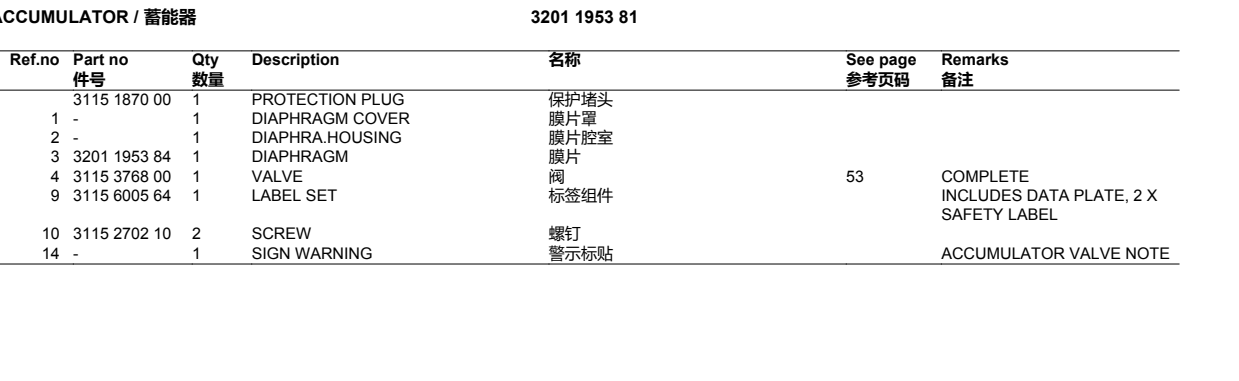
აგნიკო იგლის კანადური ფლოტის მომსახურების პროგრამა ახლოს აცვლის RD22U აკუმულატორს დიაფრაგმების მოსაპოვებლად 24 თვიანი კალენდარული ინტერვალით, მიუხედავად წინასწარ შეტევის სტატუსის — ანტი-გამოძველების HNBR კომპოუნდის ფუნქციონალური დეგრადაცია წინასწარ შეტევის კარგვას არ მოჰყვება, ხოლო აზოტს ჯერ კიდევ შემცველი დიაფრაგმა არ არის აუცილებლად სრული ბუფერიზაციის ფუნქციას ასრულებს. 24 თვიანი ინტერვალი დამტკიცდა მოხსნილი დიაფრაგმების სიხშირის ტესტირების შედეგების საფუძველზე, რომელიც ფუნქციონალური დეგრადაციის მუდმივ დაწყებას 20–26 თვეში აჩვენებს. HOVOO ამომატებელი საშუალებების RD22U მოდელებისთვის ანტი-გამოძველების HNBR დიაფრაგმებს აწარმოებს და კანადის ტერმული ციკლირების პირობების მოთხოვნებს აკმაყოფილებს. მეტი ინფორმაცია hovooseal.com ვებგვერდზე.


