

 EN
EN
 AR
AR CS
CS DA
DA NL
NL FI
FI FR
FR DE
DE EL
EL IT
IT JA
JA KO
KO NO
NO PL
PL PT
PT RO
RO RU
RU ES
ES SV
SV TL
TL IW
IW ID
ID LV
LV SR
SR SK
SK VI
VI HU
HU MT
MT TH
TH TR
TR FA
FA MS
MS GA
GA CY
CY IS
IS KA
KA UR
UR LA
LA TA
TA MY
MY
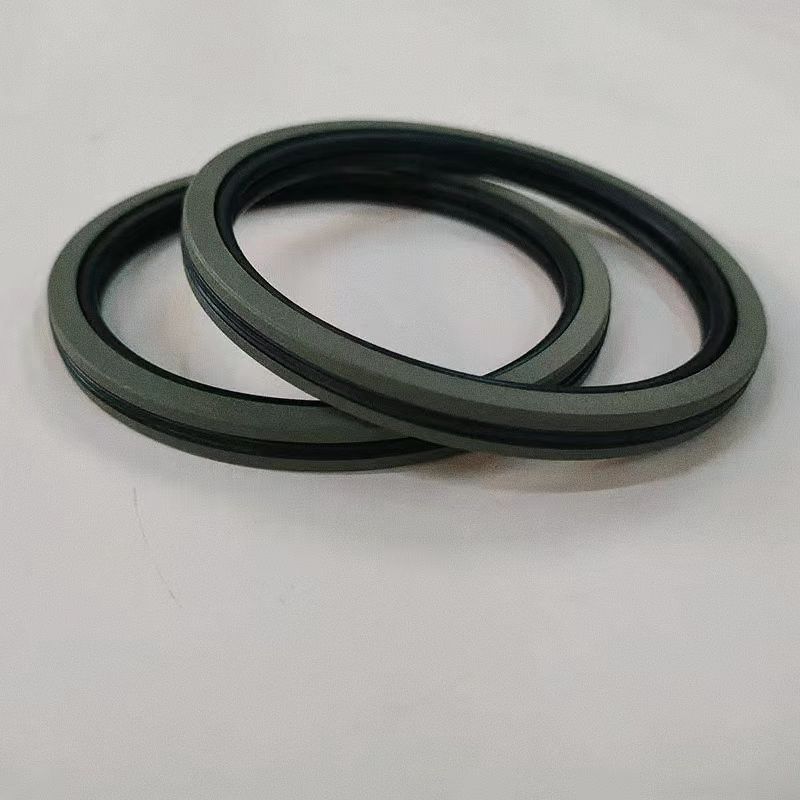
Ავსტრალიის მყარი ქვის ოპერაციები გოლდფილდს-აგნიკოს ოქროს მაღაროში Fosterville ვიქტორიაში Evolution Mining- ის კოველის ღია ღობეზე და სპილენძის ოპერაციები მთის ირგვლივ გაზიარებენ კლიმატურ
The Atlas Copco RD18U-ს აქვს ორი აკუმულატორი: სიმძლავრის მიწოდების წრედზე მდებარე მაღალი წნევის ერთეული, რომელიც მოდელის ვარიანტის მიხედვით 55–70 ბარ აზოტით წინასწარ შევსებულია, და 4–6 ბარ წნევის დაბალი წნევის ბუფერული აკუმულატორი. ორივე ნიტრილისგან არის დამზადებული დიაფრაგმების მოსაპოვებლად რომელიც პერკუსიის სიხშირით იყრება. ავსტრალიის შუშუპი, მტვევიანი ზედაპირის გარემო ამატებს დაბინძურების რისკს, რომელსაც მიწისქვეშა ექსპლუატაცია არ ხედავს: ჰიდრავლიკური ზეთის შეერთებები, რომლებიც გარეთ, მოხრული სილიციუმის მტვევში ხდება და რომელიც ხელსაწყოების შეცვლის დროს ღილაკებში შედის ზედაპირზე მდებარე ბურღვის დანტებში. ეს დაბინძურება საბოლოოდ აკუმულატორის ზეთის პორტის შემომართებელ ვალვას აღწევს და აჩქარებს ვალვის აბრაზიულ wear-ს, რაც წინასწარ შევსების დაკარგვის ნიშნებს იწვევს, რომლებიც არ განსაკუთრებით განსხვავდება დიაფრაგმა პერმეაციისგან.
Ავსტრალიური აკუმულატორების მოვლის პრაქტიკა
Შემოწმების წერტილი |
Სიხშირე |
Მეთოდი |
Ტიპიური დაკვირვება |
Წინასწარ გახსნის წნევა |
Ყოველ 200 პერკუსიის საათში |
Აზოტის ვალვის გაზომვის მანომეტრი; სისტემა დეპრესურიზებულია |
Ნელა დაკარგვა 0,5–1 ბარ/200 საათში = ნორმალური |
Კორპუსის ტემპერატურა |
Თითოეული სვლის დროს |
Ინფრაწითელი ტერმომეტრი; შეადარეთ ბოლოები |
Ერთგვაროვანი ტემპერატურა = დიაფრაგმა შეუზღუდავი |
Შეამოწმეთ საკლაპანო მდგომარეობა |
Წინასწარული შევსების შემოწმების დროს |
Მოუსმინეთ ჰის-ხმას კლაპანის ზედაპირზე |
Ჰის-ხმა = კლაპანის სასადგური აბრკოლებულია; შეცვალეთ |
Ზეთის პორტის მდგომარეობა |
Დიაფრაგმის შეცვლის დროს |
Შეამოწმეთ პორტის ზედაპირი ხაზების არსებობის მიხედვით |
Ხაზები = ნაკლებად სუფთა ნაწილაკების წყარო |
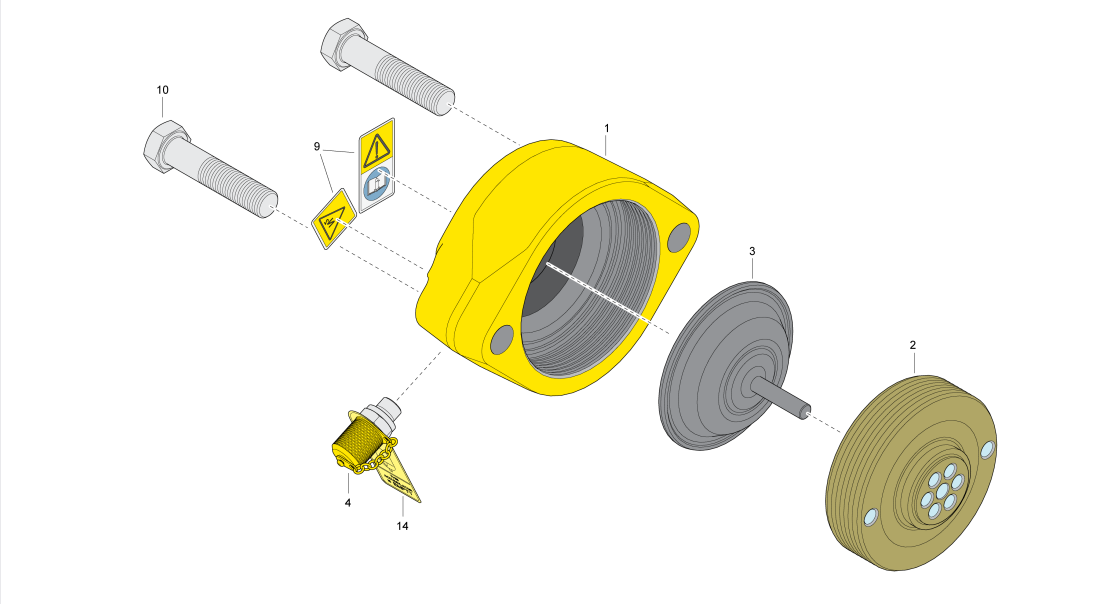
Ავსტრალიური ზედაპირული მომპოვებლები აკუმულატორის წინასწარული შევსების შემოწმებას სტანდარტიზაციას ახდენენ როგორც ცივ მდგომარეობაში (გაშვებამდე), ასევე თბილ მდგომარეობაში (30 წუთიანი სრელავის შემდეგ), რათა გამოერჩიოს თერმული გაფართოება ნაკლებად სუფთა აზოტის მარაგისგან. ცივიდან თბილამდე 3–4 ბარით გაზის კანონის გამოთვლის პრედიქციის შესაბამი ზრდა ადასტურებს დიაფრაგმის შეუზღუდავობას; უფრო დიდი ზრდა მიუთითებს ზეთის დიაფრაგმის გადაკვეთაზე. HOVOO მიაწოდებს RD18U აკუმულატორის დიაფრაგმებს და წინასწარული შევსების კომპლექტებს, რომლებიც ავსტრალიური გარემოს ტემპერატურულ პირობებს ესარგებლებენ. სრული რეფერენციები მისაღებად არის hovooseal.com-ზე.


