

 EN
EN
 AR
AR CS
CS DA
DA NL
NL FI
FI FR
FR DE
DE EL
EL IT
IT JA
JA KO
KO NO
NO PL
PL PT
PT RO
RO RU
RU ES
ES SV
SV TL
TL IW
IW ID
ID LV
LV SR
SR SK
SK VI
VI HU
HU MT
MT TH
TH TR
TR FA
FA MS
MS GA
GA CY
CY IS
IS KA
KA UR
UR LA
LA TA
TA MY
MY
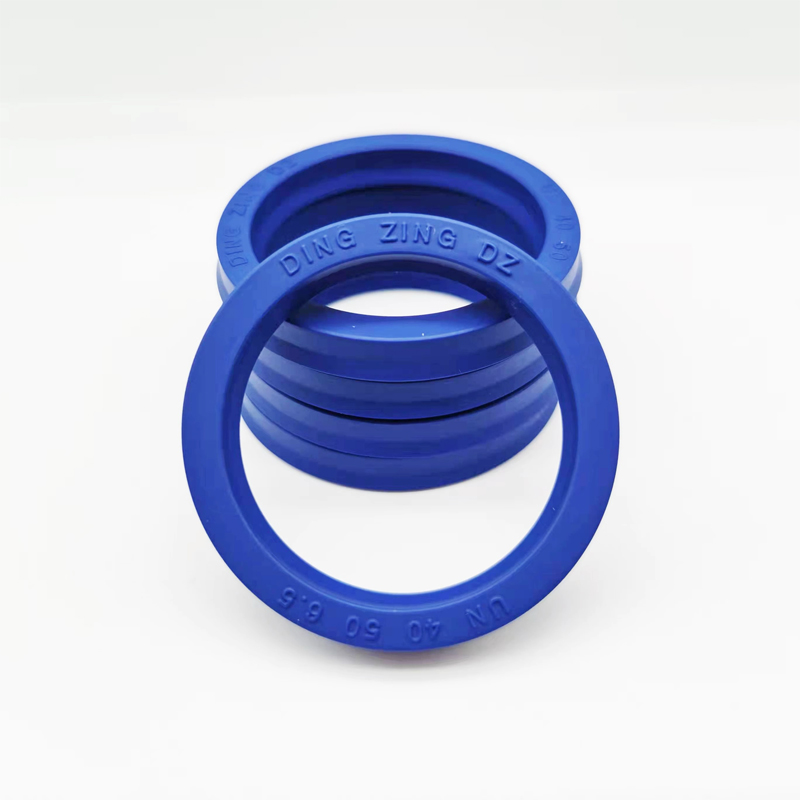
გარემოს ცივი ტემპერატურა ზიანს აყენებს სილიკონის დაფარვებს მათ ხელით შეხებამდე, ხოლო ზიანი ხდება უხმოვანოდ. NBR O-გრეილი რომელიც საწყობში −15°C-ზე სამი თვის განმავლობაში ინახება, პოლიმერულ მატრიცაში მიკროკრისტალურობას ვითარებს — რეზინის მოლეკულები გარემოს განსაკუთრებულად ცივ ტემპერატურაზე დაყენების შედეგად ნახევარდახრილად განლაგდება, რაც შორის სიკორტის მაჩვენებელს 10–14 ერთეულით ამაღლებს ნომინალური მნიშვნელობის მიმართ. ეს მაღალი სიკორტი 30–60 წუთის განმავლობაში ინარჩუნება სილიკონის დაფარვის თბილ დამონტაჟების ადგილზე გადატანის შემდეგ. ამ დროის განმავლობაში ზედმეტად მკვრივი სილიკონის დაფარვის დამონტაჟება საჭიროებს 15–20 % ზედმეტ კომპრესიას საკავშირო სივრცეში, რაც 180–240 საათში აჩქარებულ კომპრესიულ დახრას იწვევს, ხოლო მოსალოდნელი ხანგრძლივობა 400+ საათია.
Რეშენი არის 2-საათიანი თბოსაწყნარო 18–22°C ტემპერატურაზე ნებისმიერი 0°C-ზე დაბალ ტემპერატურაზე შენახული სილიკონის სარეზერვო რგოლის დაყენებამდე. სარეზერვო რგოლების 15°C-ზე ან მასზე მაღალ ტემპერატურაზე შენახვა არის უკეთესი გრძელვადიანი ამოხსნა — ელასტომერული მოხმარებლური ნაკეთობების გათბობული ნაკეთობების საცავო კოლოფი წლიურად ერთზე მეტი ადრეული კომპლექტის ჩანაცვლებაზე იაფი გამოდის. მეორე ზამთრის საპრევენციო ზომა: არ გამოიყენოთ შეკუმშული ჰაერი სარეზერვო რგოლების მონაკვეთების გასუფთავების დროს დაყენებამდე, როდესაც გარე ტემპერატურა −10°C-ზე დაბალია. შეკუმშული ჰაერი ადიაბატურად ვრცელდება სათავსების ბოლოში, რაც ადგილობრივ ტემპერატურას −30°C-მდე ან იმაზე დაბლა ამცირებს და შეიძლება სარეზერვო რგოლის კიდეების გატეხვა გამოიწვიოს კონტაქტის დროს. ცივ პირობებში მონაკვეთების გასუფთავების დროს გამოიყენეთ სუფთა, შუშის ქსელი და ოთახის ტემპერატურის სითხე.
Ზამთრის პირობებში სარეზერვო რგოლების დაყენების საპრევენციო სახელმძღვანელო
Ზამთრის პირობები |
Სარეზერვო რგოლზე რისკი |
Საჭიროებული საპრევენციო ზომები |
Გამოძახების შემთხვევაში შედეგი |
0°C-ზე დაბალ ტემპერატურაზე 2 კვირაზე მეტი ხნის განმავლობაში შენახული სარეზერვო რგოლები |
Მიკროკრისტალურობა ამატებს Shore A-ს 10–14 ერთეულით |
Დაყენებამდე მინიმუმ 2 საათიანი თბოსაწყნარო 18–22°C ტემპერატურაზე |
Სარეზერვო რგოლის საკვეთში ჭარბი შეკუმშვა — შეკუმშვის შედეგად დაზიანება 180–240 საათში |
Დამონტაჟების არე გარემოს ტემპერატურით −10°C-ზე დაბალი |
NBR კიდეები ხდება ქრომელი — გაჭიმვის დროს მიკროტრეშქვები |
Გაათბეთ დამონტაჟების არე მინიმუმ 10°C-მდე ან დამონტაჟებამდე გაათბეთ სილიკონის საყურადღებო საყურადღებო საყურადღებო საყურადღებო საყურადღებო საყურადღებო საყურადღებო საყურადღებო საყურადღებო საყურადღებო საყურადღებო საყურადღებო საყურადღებო საყურადღებო საყურადღებო საყურადღებო საყურადღებო საყურადღებო საყურადღებო საყურადღებო საყურადღებო საყურადღებო საყურადღებო საყურადღებო საყურადღებო საყურადღებო საყურადღებო საყურადღებო საყურადღებო საყურადღებო საყურადღებო საყურადღებო საყურადღებო საყურადღებო საყურადღებო საყურადღებო საყურადღებო საყურადღებო საყურადღებო საყურადღებო საყურადღებო საყურადღებო საყურა...... |
Კიდეების მიკროტრეშქვები ქმნის გარემოს გასვლის გზებს პირველი 40–60 საათის განმავლობაში |
Გარემოს ტემპერატურით −10°C-ზე დაბალი დროს საჭრელის წმენდა შეკუმშული ჰაერით |
Ადიაბატური გაცივება ნოზლის ბოლოში აღწევს −30°C-ს — შეიძლება კიდეები დაიტრეშქოს კონტაქტის დროს |
Საჭრელის წმენდის მხოლოდ სუფთა ქსელოს და სითბოს გარემოს ტემპერატურის სითხის გამოყენება |
Უჩინარი კიდის ტრეშქვი ვრცელდება სრული კიდის გატეხილობამდე 20–40 საათის განმავლობაში |
Ჰიდრავლიკური სითხის ვისკოზიტეტი VG 68-ზე მაღალი −20°C-ზე სტარტის დროს |
Სითხის მაღალი ვისკოზიტეტი კიდის სილიკონის სილიკონის სილიკონის სილიკონის სილიკონის სილიკონის სილიკონის სილიკონის სილიკონის სილიკონის სილიკონის სილიკონის სილიკონის სილიკონის სილიკონის სილიკონის სილიკონის სილიკონის სილიკონის სილიკონის სილიკონის სილიკონის სილიკონის სილიკონის სილიკონის სილიკონის სილიკონის სილიკონის სილიკონის სილიკონის სილიკონის სილიკონის სილიკონის სილიკონის სილიკონის სილიკონის სილიკონის სილიკონის სილიკონის სილიკონის სილიკონის სილიკონის სილიკონის სილიკონის სილიკონის სილიკონის სილიკონის სილიკონის სილიკონის სილიკონის ს...... |
Გადაერთადეთ PAO VG 32-ზე ან VG 46-ზე ცივ კლიმატში −15°C-ზე დაბალ ტემპერატურაზე მუშაობის დროს |
Პირველ ცივ პერკუსიულ ციკლზე ლიპ სილიკონის სილინდრის გატეხვა — მყისიერი სრული გადასახლება |
Სილიკონის სილინდრის კომპლექტის შეფუთვა გამოყენებამდე შეიძლება დარჩეს გაყინულ საწარმოში ღამით |
Რამდენიმე კომპონენტი ერთდროულად არის საფრთხის ქვეშ |
Მაღაზია ჩაკეტის კიტები გათბობულ საწყობში, რომელიც ყოველთვის 15°C-ზე მაღალი ტემპერატურით ინახება |
Სხვადასხვა წრედის პოზიციაში რამდენიმე დამყარების შეცდომა |

Გათბობილი სილიკონის სილინდრის შენახვის კაბინეტი (200–400 აშშ დოლარი) და სილიკონის სილინდრის კომპლექტების 2-საათიანი გათბობის პროტოკოლი ცივი საწყობიდან მოპოვების შემდეგ არ ამატებს კომპლექტის ღირებულებას და არ ამატებს დამყარების დროს დამატებით დროს, გარდა მოთმინების. HOVOO მიაწოდებს ზამთრის დამყარების მითითებს ნორვეგიული და ფინური ცივი კლიმატის სამუშაო მითითებით მიწისქვეშელი და ზედაპირული დრიფტერების მოხმარების შემთხვევაში. სრული რეფერენციები მისაღებად არის hovooseal.com-ზე.


