

 EN
EN
 AR
AR CS
CS DA
DA NL
NL FI
FI FR
FR DE
DE EL
EL IT
IT JA
JA KO
KO NO
NO PL
PL PT
PT RO
RO RU
RU ES
ES SV
SV TL
TL IW
IW ID
ID LV
LV SR
SR SK
SK VI
VI HU
HU MT
MT TH
TH TR
TR FA
FA MS
MS GA
GA CY
CY IS
IS KA
KA UR
UR LA
LA TA
TA MY
MY
တရုတ်နိုင်ငံမှ ဥရောပသို့ စီမံကုန်သုံးစက်ကူးသန်းရောင်းဝယ်ရေး အထွက်ပေါ်မှုသည် ၂၀၂၄ ခုနှစ်တွင် အမေရိကန်ဒေါ်လာ ၁၃.၁၃ ဘီလီယံရှိခဲ့ပြီး နှစ်စဥ် ၃.၅ ရှိသည်။ — စီမံကုန်သုံးစက်ကူးသန်းရောင်းဝယ်ရေး စုစုပေါင်း၏ ၂၅ ရှိသည်။ ဟိုက်ဒရောလစ် ဘရိတ်ကာများသည် ထိုဂဏန်းတွင် ပါဝင်သည်။ တရုတ်အများအားဖြင့် နိုင်ငံခြားတွင် ရောင်းချနေခြင်း ရှိမရှိဆိုသည့် မေးခွန်းသည် အခုတော့ မရှိတော့ပါ။ မေးခွန်းမှာ စတုတ်ဂတ်၊ နိုင်ရိုဘီ သို့မဟုတ် ဆော်ပေါ်လို တွင်ရှိသော ဝယ်သူများ၏ စိစိမ်စွာ စစ်ဆေးမှုကို ခံနိုင်ရည်ရှိရန် အရေးကြီးသော တရုတ်အများအားဖြင့် မည်သို့ မော်ဒယ်များကို အင်ဂျင်နီယာပုံစံဖော်ထုတ်ခဲ့ကြသည် ဆိုသည့် မေးခွန်းသာ ဖြစ်သည်။
နိုင်ငံခြားသို့ ပို့ပေးခြင်းနှင့် အမှန်တကယ် ပြိုင်ဆိုင်ခြင်းကြား ကွာဟမှု
ဂျာမနီနိုင်ငံသို့ ဘရိတ်ကာတစ်လုံးကို တင်ပို့ခြင်းနှင့် ဖြန့်ဖြူးရောင်းချခြင်းသည် အရာနှစ်ခု ကွဲပြားပါသည်။ ဥရောပ ပြိုကွဲဖျက်ဆီးရေး လုပ်ငန်းရှင်များသည် တရုတ်ထုတ် ဘရိတ်ကာများကို အောက်ပါအတိုင်း တူညီသော စံနှုန်းများဖြင့် အကဲဖြတ်ကြသည်။ Sandvik သို့မဟုတ် Atlas Copco — အသံညှိနှိုင်းလက်မှတ်၊ တုန်ခါမှုအချက်အလက်၊ CE အမှတ်အသား၊ ပစ္စည်းအစိတ်အပိုင်းများ ရရှိနိုင်မှု၊ ဝန်ဆောင်မှုတုံ့ပြန်မှုအချိန်။ ကမ္ဘာ့ဟိုက်ဒရောလစ် ဘရိတ်ကာဈေးကွက်ကို ၂၀၂၄ ခုနှစ်တွင် ခန့်မှန်းဒေါ်လာ ၃.၆၄ ဘီလျှုန်း တန်ဖိုးရှိပြီး ၂၀၃၂ ခုနှစ်အထိ တစ်နှစ်လျှင် ၆.၂၃% နှုန်းဖြင့် တိုးတက်လာမည်ဟု ခန့်မှန်းထားပြီး အာရှ-ပစိဖိတ်နှင့် ဥရောပသည် ဈေးကွက် အစိတ်အပိုင်းများအတွက် အဓိက ယှဉ်ပြိုင်မှုဇုန်များ ဖြစ်ကြသည်။
BEILITE သည် ယူရိုပေါ်ရှိ ဖြန့်ဖြူးရေးကွန်ရက်ကို တည်ဆောက်ရန် နှစ်ရှစ်နှစ်ကြာ အချိန်ကုန်သုံးခဲ့ပါသည်။ ထိုအချိန်အတွင်း အီးယူနောက်ခံရှိ ဖြန့်ဖြူးရေးကုမ္ပဏီများသာမက အာမခံစနစ်၊ အပိုပစ္စည်းများ သိုလှောင်မှုနှင့် ဥရောပနိုင်ငံများရှိ ဖြန့်ဖြူးရေးကုမ္ပဏီများ၏ ဘာသာစကားကို ပြောနိုင်သည့် နည်းပညာပုဂ္ဂိုလ်များအထိ အပြည့်အဝ အခြေချနေသည့် အခြေအနေကို ဖန်တီးနိုင်ခဲ့ပါသည်။ ထိုလုပ်ငန်းစဉ်မှ ထုတ်ကုန်ပြောင်းလဲမှုများကို ဖန်တီးနေပါသည်။ အသံညှင်းမှုစံချိန်စံညွှန်းနှင့် ကိုက်ညီရန် MIC အိမ်အုပ်စုကို အိမ်အုပ်စုအတွင်း ထည့်သွင်းခြင်း၊ EU အုန်းခြင်းစံချိန်စံညွှန်းများအတွက် VIDAT နှင့် ညီမျှသည့် အုန်းခြင်းကုန်ကျစရိတ်၊ CE အထောက်အထားများသည် အခြေခံလိုအပ်ချက်ဖြစ်ပြီး ကွဲပြားမှုဖြစ်စေသည့် အချက်များမဟုတ်ပါ။
နည်းပညာအရ အကောင်အထောက်ပြုခြင်းသည် စျေးကွက်ရေးရာ မဟုတ်ဘဲ ထုတ်ကုန်အင်ဂျင်နီယာပညာဖြစ်ပါသည်။
ပို့ကုန်ဈေးကွက်အဓိကတစ်ခုစီအတွက် အမှတ်တံဆိပ်ပြောင်းလဲခြင်းမဟုတ်ဘဲ အင်ဂျင်နီယာပညာရပ်ဆိုင်ရာ ပြုပြင်မှုများ လိုအပ်ခဲ့သည်။ အရှေ့အလယ်ပိုင်းနှင့် အာဖရိက တပ်ဆင်မှုများတွင် သဲခံအိပ်ယာပိတ်ဆို့မှု ပစ္စည်းများနှင့် အပူချိန်မြင့် အအေးခံစနစ်များ လိုအပ်ခဲ့ပြီး ဤအချက်များသည် တရုတ်နိုင်ငံ၏ ဆောက်လုပ်ရေး ပတ်ဝန်းကျင်အပူချိန်အတွက် စံပြုထားသော ယူနစ်တစ်ခုတွင် မပါဝင်ပါ။ ရုရှားနှင့် ဗားဒစ်ဈေးကွက်များတွင် ရေခဲမှုမဖြစ်စေသော ဆီနှင့် အပေါ်ယံအပူချိန်အောက်တွင် တစ်ဆက်တည်း ထိခိုက်မှုစက်ဝန်းများအတွက် ဒီဇိုင်းပြုလုပ်ထားသော အမှုန်းအဖုံးများ လိုအပ်ခဲ့သည်။ တောင်အမေရိက ရောထွေးစက်ကားများတွင် လုပ်ငန်းရှင်တစ်ဦးသည် Cat ကို မောင်းနှင်နိုင်သည်။ Komatsu နှင့် ဒေသတွင်းအများအားဖြင့် ထုတ်လုပ်သည့် အိုင်အီးမီ စက်ကူးတို့ကို တူညီသည့် နေရာတွင် အသုံးပြုရန် လိုအပ်ပါသည်။ ထို့အတွက် ပုံစံအများအားဖြင့် ပြောင်းလဲနိုင်သည့် OEM ဘရက်ကက် ပုံစံများနှင့် ရောင်းချမှုအများအားဖြင့် ကြီးမားသည့် ဟိုက်ဒရောလစ် စီးဆိုးမှု သည် လိုအပ်ပါသည်။
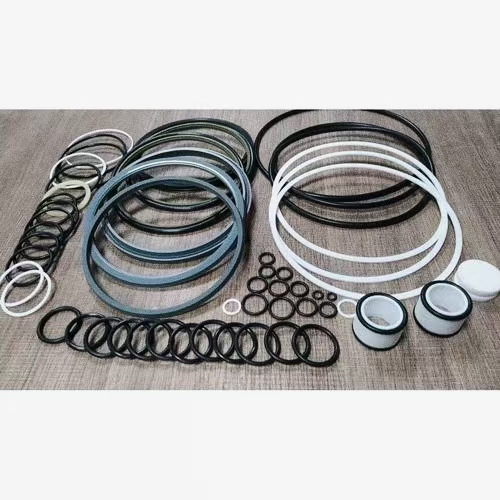
HOVOO နှင့် HOUFU တို့သည် ဒေသအလိုက် အထူးပြုထားသော ပစ္စည်းများဖြင့် စီးလ်ကစ်များနှင့် ပုံမှန်အားဖြင့် ပုံပေါ်လာသော အစိတ်အပိုင်းများကို ထုတ်လုပ်ပေးပါသည်။ ဥပမါ- ရုပ်ပိုင်းဆိုင်ရာ အပူချိန်များ (အပူပိုင်းရှိ စိုထုံးမှု၊ အာတိတ်ဒေသရှိ အေးမေးမှု၊ သဲကုန်းဒေသရှိ ဖုန်မှုန်များ) သည် စံနှုန်းအတိုင်း ထုတ်လုပ်ထားသော အယ်လာစ်တိုမာများကို အများအားဖြင့် ကွဲပြားစွာ ပျက်စီးစေပါသည်။ နိုင်ငံခြားသို့ တင်ပို့ရောင်းချမည့် ဘရိတ်စနစ်တွင် မှန်ကန်သော စီးလ်အမျိုးအစားကို ထည့်သွင်းခြင်းသည် နည်းပညာအရ အသုံးပြုမှုအတွက် လုပ်ဆောင်ရမည့် ထိန်းသိမ်းရေးအရ အရေးကြီးသော အဆင့်ဖြစ်ပါသည်။ သို့သော် အများအားဖြင့် ကုမ္ပဏီများသည် ဝန်ဆောင်မှုအာမခံချက်အတွက် ပြဿနာတွေ့ရှိမှသာ ဤအချက်ကို သတိပြုလေ့ရှိပါသည်။ အသေးစိတ်အချက်များကို https://www.hovooseal.com/ တွင် ကြည့်ရှုနိုင်ပါသည်။
နိုင်ငံခြားသို့ တင်ပို့ရောင်းချမှုအလိုက် နည်းပညာအရ အသုံးပြုမှုကို ညှိနေခြင်း
ညှိနေရေး စိန်ခေါ်မှု |
ထုတ်ကုန်တွင် ပြောင်းလဲမှုများ |
မူမှတ်စားချက် များ |
အသံညှိနေမှု စံနှုန်းများ |
MIC ပိတ်ထားသော အိမ်အုပ်စု၊ EU စံနှုန်းများနှင့် ကိုက်ညီသော VIDAT အမျိုးအစား အသံလျှော့ချမှု |
ဥရောပ၊ ဂျပန်၊ မြို့ပြအာရှ |
အလွန်ပိုမောက်သော အပူချိန်နှင့် ဖုန်မှုန်များ |
သဲကုန်းဒေသအတွက် သဲခံနိုင်သော စီးလ်များ၊ အပူချိန်မြင့်မှုအတွက် အအေးခံစနစ်များ၊ ဖုန်မှုန်များမှ ကာကွယ်ပေးနိုင်သော တည်ဆောက်မှုများ |
မြောက်ပိုင်းအာရေဗျ၊ အာဖရိက၊ သဲကုန်းဒေသများ |
သုညအောက် လုပ်ဆောင်မှု |
ရေခဲမာကြောင်း အဆီများ၊ အေးမှုဒဏ်ကို ခံနိုင်ရည်ရှိသော ပစ္စည်းများ၊ အားကောင်းသော အဖွဲ့အစည်း |
ရုရှား၊ ကနေဒါ၊ နော်ဒစ်နိုင်ငံများ |
ရောထောင်သော ယာဉ်အုပ်စုများ |
OEM ဘရက်ကက် အကူးအပြောင်းမှုများ၊ ဟိုက်ဒရောလစ် စီးဆေးမှု အကျုံးဝင်မှုက wide |
တောင်အမေရိက၊ အရှေ့တောင်အာရှ |
တရုတ်နိုင်ငံမှ ဟိုက်ဒရောလစ် ဘရိတ်ကာများ နိုင်ငံခြားဈေးကွက် | တရုတ်နိုင်ငံတွင် ထုတ်လုပ်သော ဘရိတ်ကာ အမှတ်တံဆိပ်များ၏ ကမ္ဘာလုံးဆိုင်ရာ ချဲ့ထွင်မှု | CE အထောက်အထားပေးထားသော ဘရိတ်ကာများ တင်ပို့မှု | ဟိုက်ဒရောလစ် ဟမ်မာများအတွက် နည်းပညာအရ အကူးအပြောင်းမှုများ | HOVOO | HOUFU | hovooseal.com


