

 EN
EN
 AR
AR CS
CS DA
DA NL
NL FI
FI FR
FR DE
DE EL
EL IT
IT JA
JA KO
KO NO
NO PL
PL PT
PT RO
RO RU
RU ES
ES SV
SV TL
TL IW
IW ID
ID LV
LV SR
SR SK
SK VI
VI HU
HU MT
MT TH
TH TR
TR FA
FA MS
MS GA
GA CY
CY IS
IS KA
KA UR
UR LA
LA TA
TA MY
MY
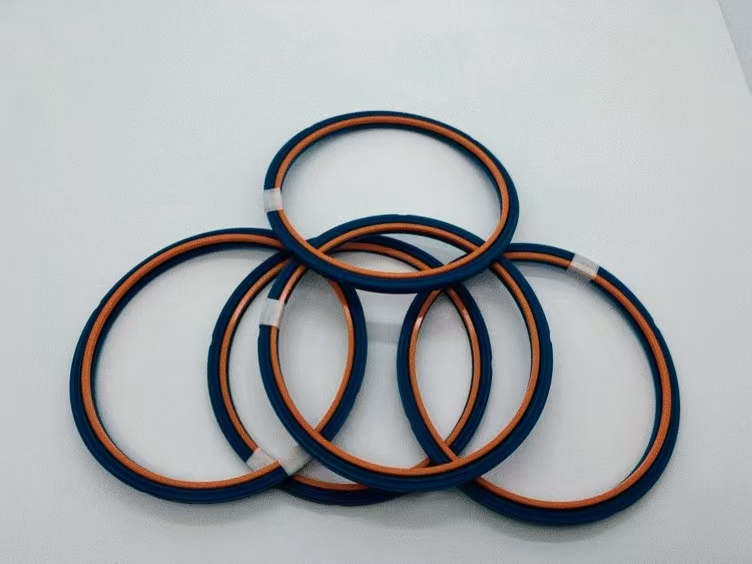
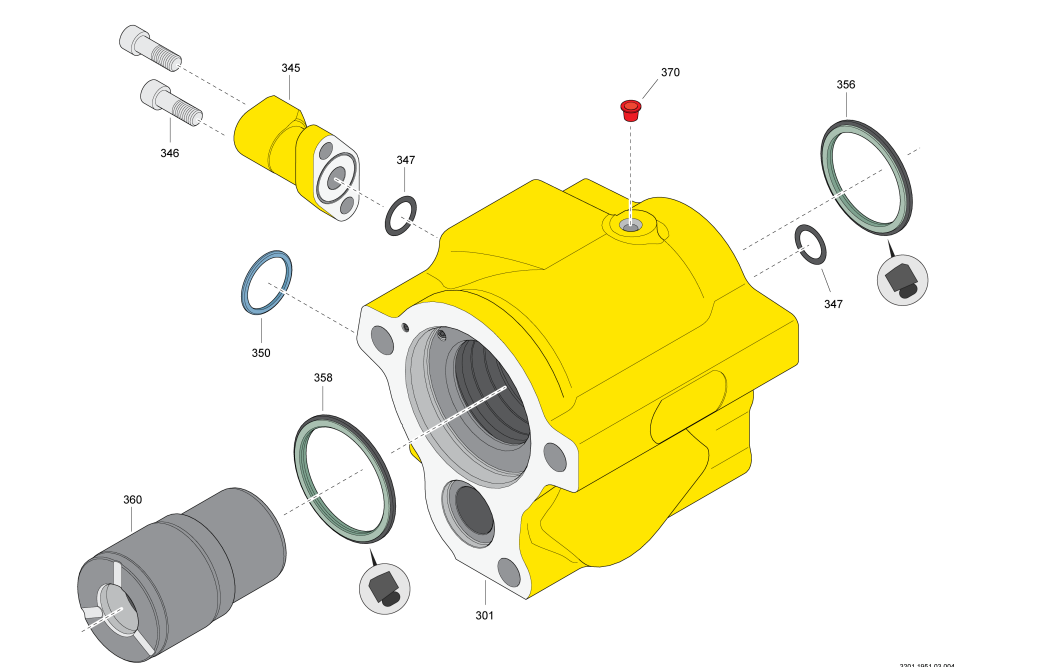
အချက်နှစ်ချက်ချင်း တုန်ခါမှုကို လျော့ပါးစေသည့် စနစ်သည် Atlas Copco RD18U တွင် အက်က်စ်ထိပ်မှ ပြန်လာသည့် ဖောက်ထွင်းရေးအားကို စုပ်ယူပါသည်။ ထိုစနစ်မရှိပါက ထိုအားသည် ဒရိုင်းလ်စတရင်းမှတဆင့် ရှန်က်အက်ဒပ်တာသို့ နှင့် ဒရိုင်ဖ်တာဟော့စ်သို့ ရောက်ရှိပါမည်။ ထိုသို့ဖြင့် ပုံစံပြောင်းလဲမှုများကို ပုံမှန်အားဖြင့် ပုံစံပြောင်းလဲမှုများအဖြစ် စုစုပေါင်းဖော်ပေးပါသည်။ ထိုစနစ်တွင် ရွေ့လျားနေသည့် အစိတ်အပိုင်းမှာ ဒမ်ပင်းပစ်စင်ဖြစ်ပါသည်။ ထိုပစ်စင်သည် ပြန်လာသည့် အားကို ဟိုက်ဒရောလစ်ဖိအားအဖြစ် ပြောင်းလဲပီး ထိန်းချုပ်ထားသည့် ဒမ်ပင်းစနစ်တွင် ရွေ့လျားမှုအဖြစ် ပြောင်းလဲပါသည်။ ထိုသို့ဖြင့် အားအားလုံးကို အဆောက်အအုပ်အတွင်း ပုံစံပြောင်းလဲမှုအဖြစ် မဟုတ်ဘဲ ဆီအတွင်း အပူအဖြစ်သို့ ပြောင်းလဲပါသည်။
မြောက်ပိုင်းဆွီဒင်နှင့် နော်ရ်ဘော့တန်ခရိုင်ရှိ ဘိုလီဒင်၏ အိုင်တစ် ဖွငေးပေါက်ကွဲမှု ကြေးနီတူးဖော်ရေးစခန်းတွင် နှင့် ဂဲလီဝာရီအနီးရှိ မြေအောက်လုပ်ငန်းများတွင် ဆောင်းရုတ်တရက် စတင်မှုအပူခါးမှာ −25°C အောက်သို့ ကျဆင်းသည့်အခါ စံသတ်မှတ်ချက်စာရွက်များတွင် ဖော်ပြထားခြင်းမရှိသည့် နည်းလမ်းများဖြင့် ဒမ်ပင်းပစ်တန်း၏ လုပ်ဆောင်မှု အရည်အသွေးများ ပြောင်းလဲသွားပါသည်။ −25°C တွင် ဟိုက်ဒရောလစ်ဆီ၏ အထူသည် 40°C အပူခါးတွင် အလုပ်လုပ်သည့်အခါထက် ၈–၁၂ ဆ ပိုများပါသည်။ မှန်ကန်သည့် ဒမ်ပင်းအားကို ထုတ်လုပ်ရန် ကောင်းစွာချိန်ညှိထားသည့် အောက်စ်ဖိစ်မှတ်တွင် ထိန်းချုပ်ထားသည့် ဆီစီးဆက်ကို အခြေခံသည့် ဒမ်ပင်းဆီးကွက်သည် အအေးတွင် စတင်မှုအချိန်တွင် ဒီဇိုင်းထားသည့် အားထက် ပိုများသည့် ဒမ်ပင်းအားကို ထုတ်လုပ်ပေးပါသည်— ထိုသို့ဖြင့် ဒမ်ပင်းအုပ်နုတ်မှုကို ပိုမာကာ အပူတက်လာမှု ၁၀–၁၅ မိနစ်ကြာသည့် အချိန်အတွင်း အိမ်ရှိ အဆောက်အဦးဖွဲ့စည်းမှုသို့ လှိမ့်ခါအားကို ပိုများစွာ လွှဲပေးသည်။
အအေးတွင် စတင်မှုအချိန်၏ ဒမ်ပင်းအုပ်နုတ်မှု အပြုအမှုနှင့် စီမံခန့်ခွဲမှု
ဆီအပူခါး |
ဆီအထူ (HV46) |
ဒမ်ပင်းအား |
အိမ်ရှိ အန္တရာယ် |
ဆော့ฟ်ဝဲရှုံးခြင်း |
−25°C တွင် စတင်မှု |
အောက်ချိန် ~800 cSt |
ဒီဇိုင်းထားသည့် အား၏ ၃–၄ ဆ |
အပူတက်လာမှုအတွင်း မြင့်မားသည် |
ပေါက်ကွဲမှုမှီအထိ ၁၀ မိနစ်ကြာ အနေအထားဖော်ပေးပါ |
0°C |
~၁၂၀ cSt |
ဒီဇိုင်း၏ ၁.၅ ဆ |
တော်ရုံတန်ရုံ |
ပေါက်ကွဲမှုအစပိုင်း ၅ မိနစ်အတွင်း အလေးချိန်သက်သက်သာသာ ပေါက်ကွဲပါ |
20°C |
~၄၆ cSt |
ဒီဇိုင်းနှင့် နီးစပ်သည် |
ပုံမှန် |
အပြည့်အဝ လုပ်ဆောင်မှု |
၄၀°C အထက် |
~၂၂ cSt (ဒီဇိုင်း) |
ဒီဇိုင်းတန်ဖိုး |
ဒီဇိုင်းရှိ အခြေခံစံနှုန်း |
အပူချိန် မြင့်မားခြင်းကို စောင့်ကြည့်ပါ |
ဘိုလီဒင် စီမံကုန်းများတွင် ဆွီဒင် ဆောင်းရာသီ စီမံခန့်ခွဲမှုအရ ညဘက် ပတ်ဝန်းကျင် အပူချိန်သည် စီလီယပ်စ် အပူချိန် ၁၅ ဒီဂရီ အောက်သို့ ကျသော အလုပ်အမှုထမ်းများတွင် ပြောင်းလဲမှု ဖြစ်ပေါ်စေသည့် အလုပ်အမှုထမ်းများအတွက် အနည်းဆုံး ၁၅ မိနစ် နှေးနှေး အပူပေးခြင်း လုပ်ဆောင်ခြင်းကို လုပ်ဆောင်ရမည်။ ဒမ်ပင်း ပစ်စန်း၏ အအေးခံ စွမ်းဆောင်ရည်သည် လုပ်ထုံးလုပ်နည်း အပိုင်းအစ ဖြစ်သည့်အတွက် ပစ္စည်းများ သတ်မှတ်ချက်များ အပိုင်းအစ ဖြစ်သည်။ ပစ်စန်း၏ အရွှေ့လုပ်ဆောင်သည့် စီလ်သည် အအေးခံ အခြေအနေတွင် စိုက်ချောင်းအတွင်း လုံလောက်သည့် ထိပ်တို့ခြင်း အားကို ထိန်းသိမ်းရမည်။ ထိုသို့ဖြစ်ရန် အအေးခံအခြေအနေတွင် မာလာသည့် စီလ် ပစ္စည်းကို အသုံးပြုရမည်။ HOVOO သည် RD18U ဒမ်ပင်း ပစ်စန်းကို ထောက်ပံ့ပေးသည်။ အိမ်တောင်ကျပန်း ဆက်စပ်များ အအေးခံ အလုပ်လုပ်ဆောင်မှု အခြေအနေများအတွက် အတည်ပြုထားသည့် ပစ္စည်းများဖြင့် ထောက်ပံ့ပေးသည်။ hovooseal.com တွင် ကိုးကားချက်များ ရနိုင်သည်။


