

 EN
EN
 AR
AR CS
CS DA
DA NL
NL FI
FI FR
FR DE
DE EL
EL IT
IT JA
JA KO
KO NO
NO PL
PL PT
PT RO
RO RU
RU ES
ES SV
SV TL
TL IW
IW ID
ID LV
LV SR
SR SK
SK VI
VI HU
HU MT
MT TH
TH TR
TR FA
FA MS
MS GA
GA CY
CY IS
IS KA
KA UR
UR LA
LA TA
TA MY
MY
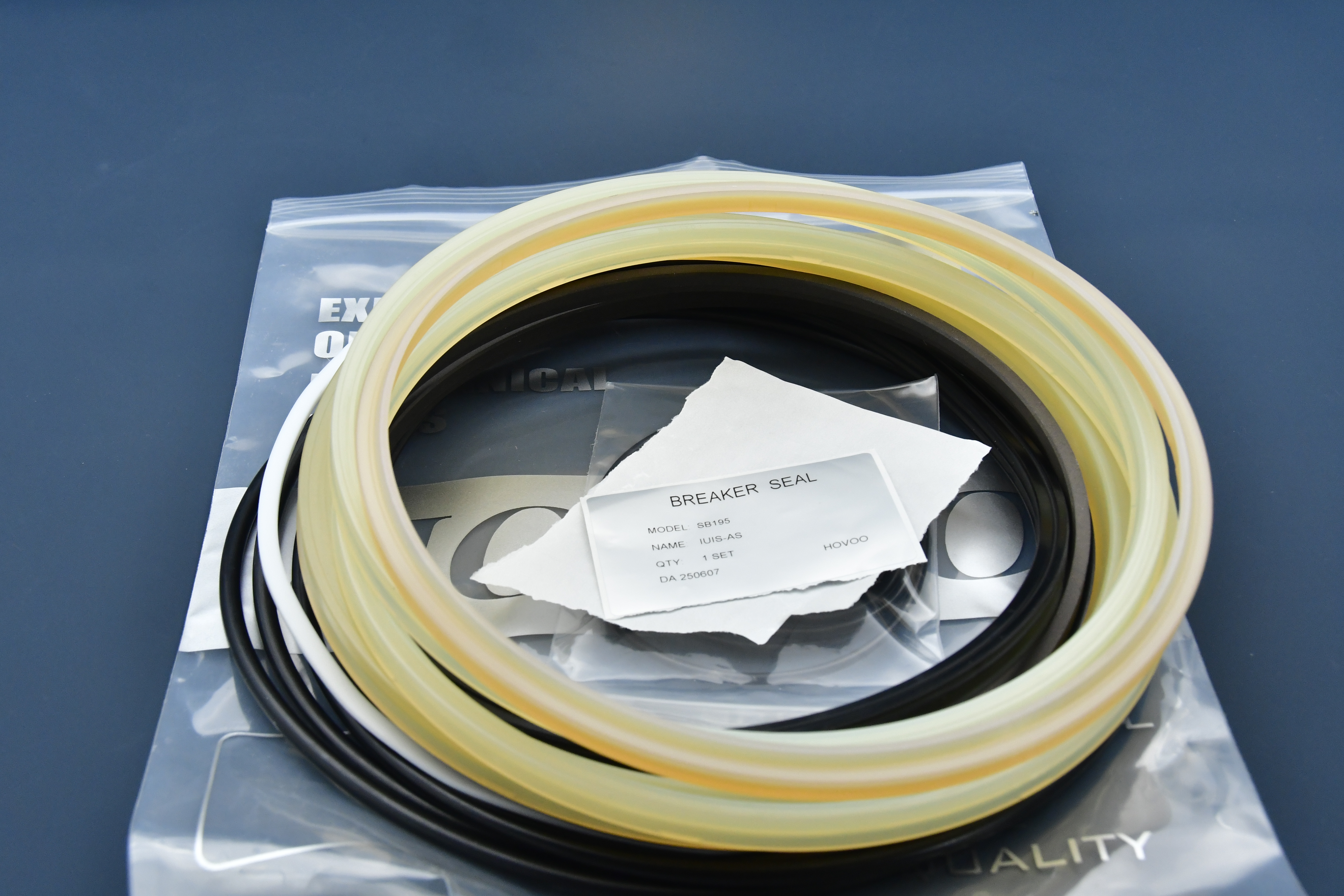
Ce cere de fapt un tunel de la un ciocan pneumatic
Mediile subterane prezintă pericole precum atmosfere deficiente în oxigen, praf de silice cristalină și vibrații extreme provenite de la echipamente. Aceste trei pericole — calitatea aerului, praful și vibrațiile — stau la baza fiecărei decizii privind alegerea uneltelor în construcția tunelurilor și impun cerințe pe care un ciocan pneumatic standard pentru lucrări de suprafață nu este conceput să le îndeplinească. Într-o carieră de suprafață, praful se împrăștie; în capul de tunel, acesta rămâne în suspensie. Vibrațiile dintr-un site deschis fac excavatorul să tremure; subteran, ele se reflectă de căptușeală, de boltă și de fiecare muncitor aflat într-un raze de cincizeci de metri.
Lucrarea în sine este, de asemenea, de o natură diferită. Spălarea — îndepărtarea blocurilor instabile de rocă din spate, din pereții laterali și din față — se efectuează în mod continuu după fiecare rundă de excavare. Aceasta este considerată o pregătire pentru aplicarea betonului proiectat (shotcrete) și a ancorajelor în rocă, iar datorită pericolului pe care îl presupune, siguranța lucrătorilor trebuie luată în considerare cu mare atenție. Profilarea pereților și a bolții necesită un instrument capabil să lucreze sub unghiuri dificile, în spații restrânse și, adesea, orientat în sus sau lateral. Un ciocan hidraulic dimensionat pentru o excavatoare de suprafață de 30 de tone, oricât de performant ar fi pe o bancă de carieră, nu poate fi, pur și simplu, introdus într-o galerie de 5 metri cu ajutorul unui vehicul de transport de 3 tone.
Cum abordează SB 202 T fiecare dintre aceste constrângeri
Versiunea tunel SB este perfect adaptată pentru spălare, profilarea pereților și a bolții, precum și pentru alte sarcini dificile în mediul subteran. Acest domeniu restrâns de aplicare nu este o limitare de marketing — el reflectă o serie de decizii ingineresti care se cumulează în avantaje reale în condiții subterane.
Praful este gestionat la interfața sculei. Scula specială, împreună cu placa frontală și acoperișul anti-praf, minimizează pătrunderea prafului în mecanismul de percuție. În mod separat, un piston din oțel inoxidabil oferă o durabilitate superioară și rezistență la coroziune în medii de lucru agresive, unde umiditatea provenită din infiltrarea apei subterane și condensul din sistemele de ventilare ar accelera uzura internă într-o unitate standard. Un sistem integrat de suprimare a prafului cu apă reduce emisiile de praf, îmbunătățește vizibilitatea și contribuie la crearea unui spațiu de lucru mai sigur și mai curat — aspect direct relevant în cadrul reglementărilor OSHA privind expunerea la praf de siliciu, care se aplică în subteran cu aceeași severitate ca și în orice altă zonă.
Vibrația și suprasarcina sunt gestionate de două sisteme independente. Supapa integrată de descărcare a presiunii protejează împotriva suprasarcinilor — un risc particular în lucrările de tunel, unde portatorul și spărgătorul sunt adesea poziționați împotriva fețelor neregulate ale stâncii, sub unghiuri neverticale, generând vârfuri de sarcină neuniforme pe care operatorul nu le poate anticipa întotdeauna. Recuperarea energiei folosește automat energia de recul a pistonului pentru a reduce nivelurile de vibrație și a îmbunătăți performanța: mai puțină vibrație transmisă prin structură către bratul de manevră înseamnă mai puțină oboseală pentru portator, care poate funcționa în ture continue într-o singură galerie închisă. Conceptul de Corp Solid — carcasă monobloc — reduce numărul de componente, sporind durabilitatea și minimizând necesarul de întreținere într-un mediu în care accesul pentru lucrări de service este cu adevărat dificil.
Bush-ul ghid flotant menține scula centrată cu precizie la fiecare lovitură, chiar și atunci când brațul purtător se încovoaie din cauza unui unghi de lucru neconvenabil. În demolarea de suprafață, acest lucru reprezintă un avantaj; într-un tunel, unde toleranța dintre o tăiere precisă a profilului și o supraexcavare care necesită remediere este măsurată în centimetri, acest aspect influențează întreaga programare a proiectului.
Specificații tehnice SB 202 T
Valorile de mai jos provin din Epiroc datele produselor publicate de și listările verificate ale furnizorilor. Toate diferențele de greutate trebuie convenite în prealabil cu Epiroc și/sau cu producătorul vehiculului de transport.
Parametru |
Valoare |
Relevanță specifică pentru tuneluri |
GREUTATE PORTANTĂ |
2,5–6 t |
Excavatoare compacte pentru galerii subterane înguste |
Greutate de serviciu |
200 kg |
Suficient de ușoare pentru manevrabilitate în secțiuni transversale înguste de tunel |
Diametrul unelei |
65 mm |
Profilare precisă — pereți, boltă și față de tunel |
Fluxul de petrol |
35–65 l/min |
Compatibile cu circuitele auxiliare de debit redus de pe echipamentele purtătoare mici |
Presia de funcționare |
100–150 bar |
Optimizat pentru eficiență pe sistemele hidraulice compacte |
Frecvența de impact |
850–1.800 lovituri/min |
Rată ridicată de cicluri pentru spargerea rapidă și secundară |
Intrare hidraulică maximă |
17 kW (18,2 CP) |
Consum redus de combustibil — esențial în tunele cu restricții de ventilare |
Nivelul puterii sonore |
118 dB(A) (silentizat) |
Certificat conform EN ISO 3744 / Directiva UE 2000/14/CE |
Integrarea SB 202 T în programul dumneavoastră pentru tunele
SB202 face parte din seria de configurații pentru tuneluri a Epiroc, care include, de asemenea, modelele SB 302, SB 452 și SB 552 — toate proiectate pentru o fiabilitate ridicată și eficiență maximă în proiectele de tunelare și exploatare minieră. Cele patru modele cresc treptat în ceea ce privește greutatea portantă și energia de impact, astfel încât, dacă lucrarea de avansare necesită o mașină cu o greutate superioară celei de 6 tone, modelul 302 sau 452 ar putea reprezenta următorul pas potrivit, păstrând în același timp aceeași gamă de caracteristici specifice tunelurilor: protecție împotriva prafului, supresie cu apă, scut frontal și descărcare de presiune.
Înainte de mobilizare, confirmați că circuitul auxiliar al transportatorului dumneavoastră poate furniza 35–65 l/min la 100–150 bar. Limita superioară de 17 kW pentru intrarea hidraulică este intenționat modestă — menține consumul de combustibil scăzut într-un spațiu restrâns, unde ventilarea reprezintă constrângerea determinantă. Funcționarea unui disjunctor de suprafață cu o putere mai mare, conectat la același transportator, ar duce la o creștere mai rapidă a temperaturii uleiului decât poate compensa ventilarea, scurtând durata de viață a etanșărilor și generând un risc de suprăîncălzire mult mai dificil de gestionat subteran decât pe o platformă deschisă.
Intervalele de întreținere subterană urmează un calendar mai strict decât cele de la suprafață. Inspectați scutul frontal și acoperișul anti-praf la fiecare schimb — făina de piatră și umiditatea se combină într-o pastă abrazivă care accelerează uzura bucșelor mai rapid decât praful uscat de la suprafață. Supapa de descărcare a presiunii și bușonul ghid mobil sunt concepute ca fiind fără întreținere, dar suportul pentru burghiu și pinoții de oprire trebuie verificați de fiecare dată când se rotește burghiul. Păstrați unul de rezervă set de închisoră și un instrument de înlocuire pe loc: într-un tunel cu avans rapid, așteptarea de două ore pentru o piesă costă o rundă completă de excavare.


