

 EN
EN
 AR
AR CS
CS DA
DA NL
NL FI
FI FR
FR DE
DE EL
EL IT
IT JA
JA KO
KO NO
NO PL
PL PT
PT RO
RO RU
RU ES
ES SV
SV TL
TL IW
IW ID
ID LV
LV SR
SR SK
SK VI
VI HU
HU MT
MT TH
TH TR
TR FA
FA MS
MS GA
GA CY
CY IS
IS KA
KA UR
UR LA
LA TA
TA MY
MY
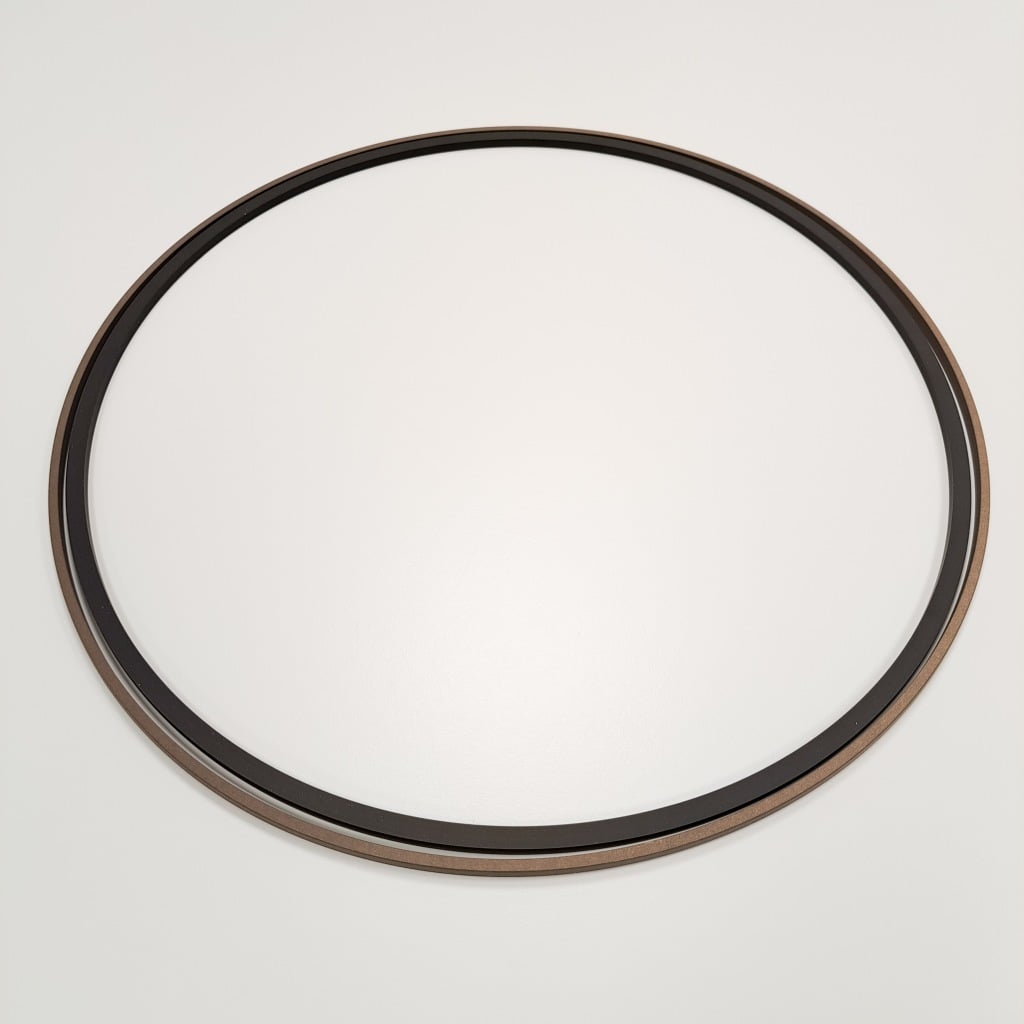
கட்டுப்பாட்டு வால்வு சீல் கசிவுகள், பெர்குஷன் போர் கசிவுகளிலிருந்து வேறுபட்ட விதத்தில் நடந்து கொள்ளும் — அவை தவறான இடத்திலும், தவறான நேரத்திலும் தோன்றும். பெர்குஷன் போர் கசிவு துளையிடும் போது, சுமையின் கீழ் தோன்றும். ஒரு கட்டுப்பாட்டு வால்வு சீல் கசிவு பொதுவாக இடைவெளியில் (இடைநிலையில்) அல்லது பெர்குஷன் மற்றும் சுழற்சி ஆகியவற்றுக்கு இடையே நொடிகளின் பிரத்தியேக கால இடைவெளியில் தோன்றும், ஏனெனில் அந்த நேரத்தில் தான் வால்வு ஸ்பூல், தேய்ந்த சீல் அமைந்துள்ள நிலையின் வழியாக நகர்கிறது. இந்த நேர அமைப்பு — ஸ்பூல் நகர்வின் போது கசிவு தோன்றுதல், தொடர்ச்சியான பெர்குஷன் போது அல்ல — என்பதுதான் பெரும்பாலான பராமரிப்பு வழிகாட்டுதல்களில் தவறவிடப்படும் முக்கிய குறிப்பிடத்தக்க அடையாளமாகும்.
தடையைத் தவிர்க்கும் இடத்தின் உடல் அமைவிடமும் முக்கியமானது. தேய்ந்த கட்டுப்பாட்டு வால்வு சீல்கள் உள்ளே கசிவு ஏற்படுத்துகின்றன — எண்ணெய் உயர் அழுத்த துளையிலிருந்து திருப்பி அனுப்பும் துளைக்கு எந்த வேலையும் செய்யாமல் கடந்து செல்கிறது. வெளிப்புற எண்ணெய் மட்டம் 8-மணி நேர சுழற்சியில் 1.5–3 லிட்டர் வரை குறைகிறது, ஆனால் வெளிப்புறமாக கசிவு தெரியவில்லை; மேலும், தடையைத் தவிர்த்துச் செல்லும் எண்ணெய் தேய்ந்த சீல் இடைவெளியின் வழியாக சுருக்கப்படுவதால், அமைப்பு சாதாரணத்தை விட அதிக வெப்பத்தில் இயங்குகிறது, இதனால் 12–18 பார் அழுத்த வேறுபாடு வெப்பமாக மாறுகிறது. ஒரே ஜம்போவில் உள்ள மற்ற சுற்றுகளுடன் ஒப்பிடும்போது 6°C அதிக வெப்பத்தில் இயங்கும் ஒரு டிரிப்டரின் எண்ணெய் மட்டமும் வேகமாகக் குறைந்து கொண்டிருந்தால், அதற்கு கட்டுப்பாட்டு வால்வு சீல் பிரச்சனை உள்ளது எனக் கருதப்படும், அதற்கு எதிரான சான்றுகள் இல்லையெனில்.
கட்டுப்பாட்டு வால்வு சீல் கண்டறிதல் வரிசை
சோதனை படி |
அறிவு |
எதிர்பார்க்கப்படும் முடிவு (சுகாதாரமானது) |
சீல் தோல்வியின் குறியீடு |
படி 1: சுற்று பிரித்தல் |
தட்டுதல் சுற்றை தடு; முழு அழுத்தத்தில் சுழற்சியை மட்டும் இயக்கவும் |
எண்ணெய் இழப்பு இல்லை, சுழற்சி கேஜில் அழுத்தம் நிலையாக உள்ளது |
சுழற்சியின் போது மட்டும் அழுத்தம் குறைவு அல்லது எண்ணெய் இழப்பு = சுழற்சி வால்வு சீல் சந்தேகம் |
படி 2: அழுத்தம்-நிலைத்து சோதனை |
175 பார் அழுத்தத்தில் தட்டு சுற்று வழியை அழுத்தமூட்டவும்; பம்பை நிறுத்தவும்; 60 வினாடிகளுக்கு கவனிக்கவும் |
60 வினாடிகளில் 3 பார் உள்ளே அழுத்தம் நிலையாக உள்ளது |
60 வினாடிகளில் 8 பார் அதிகமாக விழுதல் = உள் பைபாஸ் உறுதிப்படுத்தப்பட்டது |
படி 3: ஸ்பூல் நிலை சோதனை |
அழுத்தமூட்டப்பட்ட நிலையில் (குறைந்த அழுத்தம், 40 பார்) வால்வ் ஸ்பூலை கையால் மெதுவாக சுழற்றவும் |
மென்மையான ஸ்பூல் இயக்கம்; எந்த நிலையிலும் எண்ணெய் கசிவு இல்லை |
குறிப்பிட்ட ஸ்பூல் நிலையில் எண்ணெய் கசிவு தீர்மானிக்கப்பட்ட சீல் லேண்டைக் குறிக்கிறது |
படி 4: எண்ணெய் வெப்பநிலை வரைபடம் |
பல-பூம் இயந்திரத்தில் ஒவ்வொரு சுற்று வழியிலிருந்தும் திரும்பும் வெப்பநிலைகளை ஒப்பிடவும் |
அதே சுமையின் கீழ் ஒன்றுக்கொன்று 4°C உள்ளே உள்ள சுற்று வழிகள் |
ஒரு சுற்று 8°C+ அதிக வெப்பநிலை = அந்தச் சுற்றின் கட்டுப்பாட்டு வால்வில் உள் வழிமாற்று |
படி 5: ஓட்ட அளவியைச் சரிபார்க்கவும் |
தட்டு உள்ளீட்டில் பம்பின் வெளியீட்டை அளவிடப்பட்ட சுற்று ஓட்டத்துடன் ஒப்பிடவும் |
3 லி/நிமிடத்திற்குக் கீழே உள்ள ஓட்ட வேறுபாடு |
7 லி/நிமிடத்திற்கு மேலே உள்ள வேறுபாடு, உள் வழிமாற்று அளவை உறுதிப்படுத்துகிறது |
உள் வழிமாற்று ஒவ்வொரு தவறிய சீலிலும் பம்பின் வெளியீட்டில் 8–15% ஐ வீணாக்குகிறது; இது தட்டு ஆற்றலுக்குப் பதிலாக வெப்பத்தை உருவாக்க எரிபொருளை எரிக்கிறது. மூன்று-பூம் ஜம்போவில் மூன்று ஷிப்ட்களில் இயங்கும்போது, இந்த திறனின்மை ஒரு வாரத்திற்குள் அளவிடக்கூடிய ஆற்றல் செலவாக மிகுகிறது. HOVOO ஆனது DD2710 மற்றும் DT1131 ஜம்போக்களுக்கான கட்டுப்பாட்டு வால்வு சீல் கிட் மற்றும் ஸ்பூல்-தெளிவு அளவீட்டு தரவை வழங்குகிறது. முழு தன்மைகளுக்கு hovooseal.com இல் செல்லவும்.


