

 EN
EN
 AR
AR CS
CS DA
DA NL
NL FI
FI FR
FR DE
DE EL
EL IT
IT JA
JA KO
KO NO
NO PL
PL PT
PT RO
RO RU
RU ES
ES SV
SV TL
TL IW
IW ID
ID LV
LV SR
SR SK
SK VI
VI HU
HU MT
MT TH
TH TR
TR FA
FA MS
MS GA
GA CY
CY IS
IS KA
KA UR
UR LA
LA TA
TA MY
MY
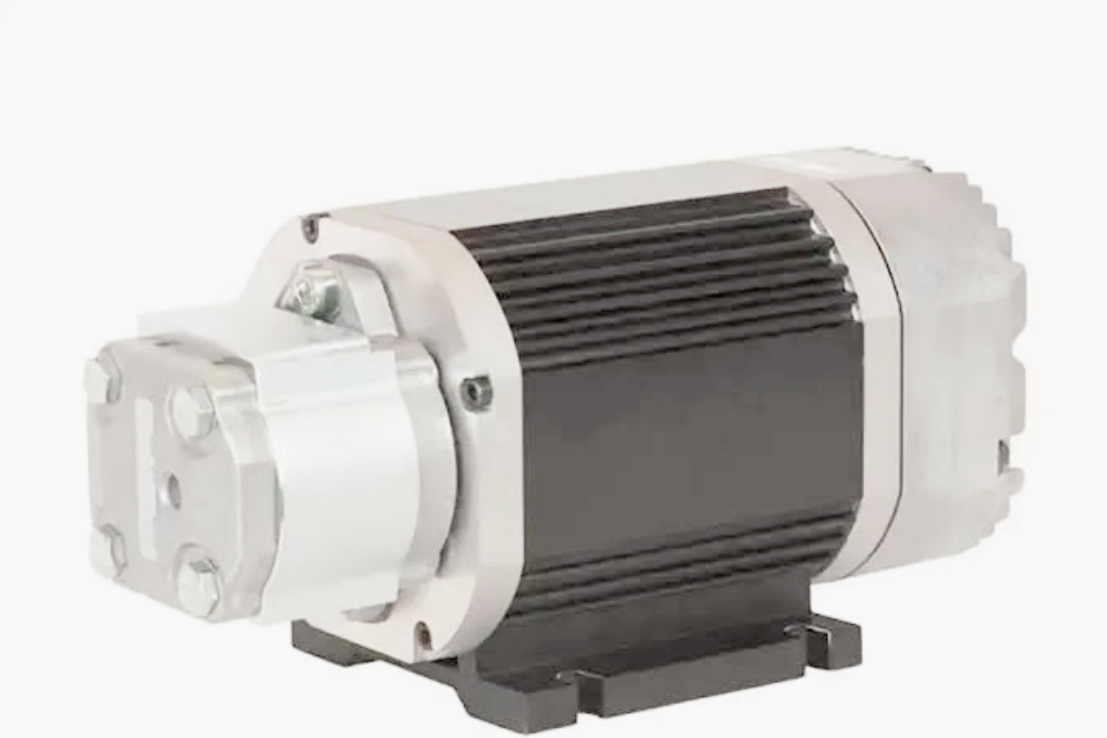
Three structural forces are reshaping hydraulic pump technology through 2026 and beyond: electrification of the prime mover, digitalization of pump control, and tightening non-road emissions standards across the US, EU, China, and India simultaneously. These forces reinforce each other in a way that makes the hydraulic pump — previously a passive component in drivetrain conversations — the focal point of the energy management discussion. A pump that doesn't communicate with a vehicle control unit, doesn't load-sense with millisecond response, and doesn't integrate cleanly with an electric motor drive is becoming an engineering liability rather than a neutral component choice.
Electro-hydraulic actuation (EHA) and the 'hydraulics on demand' concept — where the hydraulic pump only runs when a hydraulic function is active, driven by an electric motor instead of a mechanical PTO — reduce standby losses by 85–92% compared to engine-driven fixed-displacement systems. Volvo CE's E-LX electric wheel loader concept demonstrated 50% total energy consumption reduction versus its diesel predecessor, with 35 percentage points of that attributable to on-demand electric hydraulics alone. This isn't a 2030 roadmap item — it's in production on small excavators, compact loaders, and reach stackers globally as of 2025, with 20–65 tonne class integration accelerating through 2026–2027.
Key 2026 Hydraulic Pump Technology Trends
Trend |
Technology Driver |
Efficiency / Emission Impact |
Adoption Timeline |
Electro-hydraulic on-demand pump |
Electric motor replaces mechanical PTO; pump only runs when needed |
85–92% standby loss elimination; 30–50% total system energy reduction |
Compact machines 2024–2026; medium class 2026–2028; heavy class 2028–2032 |
Digital displacement® variable pump |
Individual cylinder valve control at each stroke — cylinder-level efficiency |
Projected 30–40% efficiency gain vs conventional variable piston pump |
Danfoss pilot installations 2024; commercial launch expected 2026–2027 |
Predictive maintenance via pump IoT sensor |
Pressure, temperature, vibration, case drain sensors feeding ML algorithms |
15–25% maintenance cost reduction; 60–80% reduction in unplanned failures |
Available now on Danfoss Plus+1-connected platforms; adoption accelerating |
High-pressure systems 480–560 bar |
Tighter sealing, harder materials — reduces pump size for same power output |
8–14% additional power density gain; smaller system = lower fluid volume = lower heat |
Niche high-force applications now; broader adoption limited by seal and component maturity |
Biodegradable fluid compatibility as standard |
EU environmental liability regulation tightening — spill liability driving adoption |
HETG / HEES vegetable ester fluids reduce soil contamination liability |
Danfoss H1B already HEES-compatible; remaining models updating through 2026 |
The 2026 hydraulic pump landscape rewards OEMs who designed their hydraulic circuits for control integration, not just flow delivery. A circuit that can't accept a proportional pilot signal can't benefit from digital displacement technology. A pump that doesn't have a case drain temperature sensor can't feed a predictive maintenance algorithm. The technology investments happening now at Danfoss and competitors require corresponding investments in circuit architecture at the OEM level. HOVOO supports the transition by supplying 2026-compatible service components, HEES-compatible seal kits, and IoT-ready sensor accessories for Danfoss pump platforms. References at hovooseal.com.


