

 EN
EN
 AR
AR CS
CS DA
DA NL
NL FI
FI FR
FR DE
DE EL
EL IT
IT JA
JA KO
KO NO
NO PL
PL PT
PT RO
RO RU
RU ES
ES SV
SV TL
TL IW
IW ID
ID LV
LV SR
SR SK
SK VI
VI HU
HU MT
MT TH
TH TR
TR FA
FA MS
MS GA
GA CY
CY IS
IS KA
KA UR
UR LA
LA TA
TA MY
MY
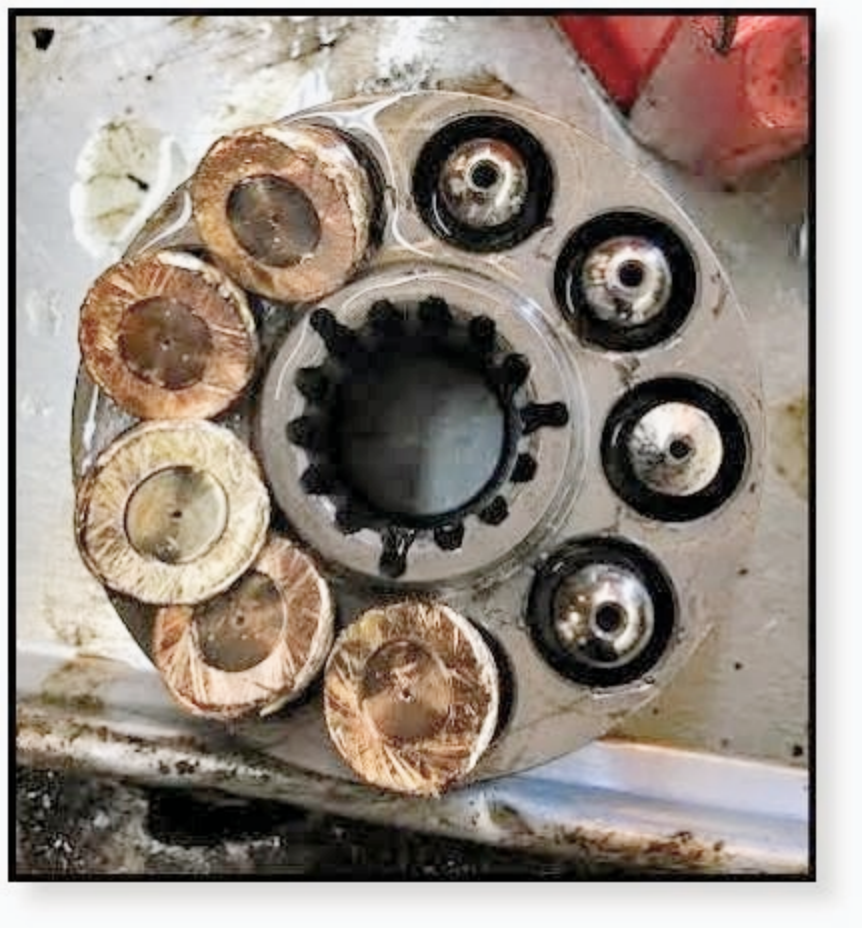
Hydraulic pump failures in the field almost always announce themselves 80–200 hours before they produce a breakdown — through noise, temperature, pressure, or oil condition changes that a structured inspection protocol catches. The problem is that without a documented baseline for each machine, those warning signals look like normal variation. A pressure gauge that reads 2 bar below last month's reading could be pump wear, relief valve drift, circuit restriction, or just a different operator throttle position. The diagnostic value is in the trend, not the single reading. Machines without logged baselines produce 'sudden' failures that were never sudden — they were unobserved.
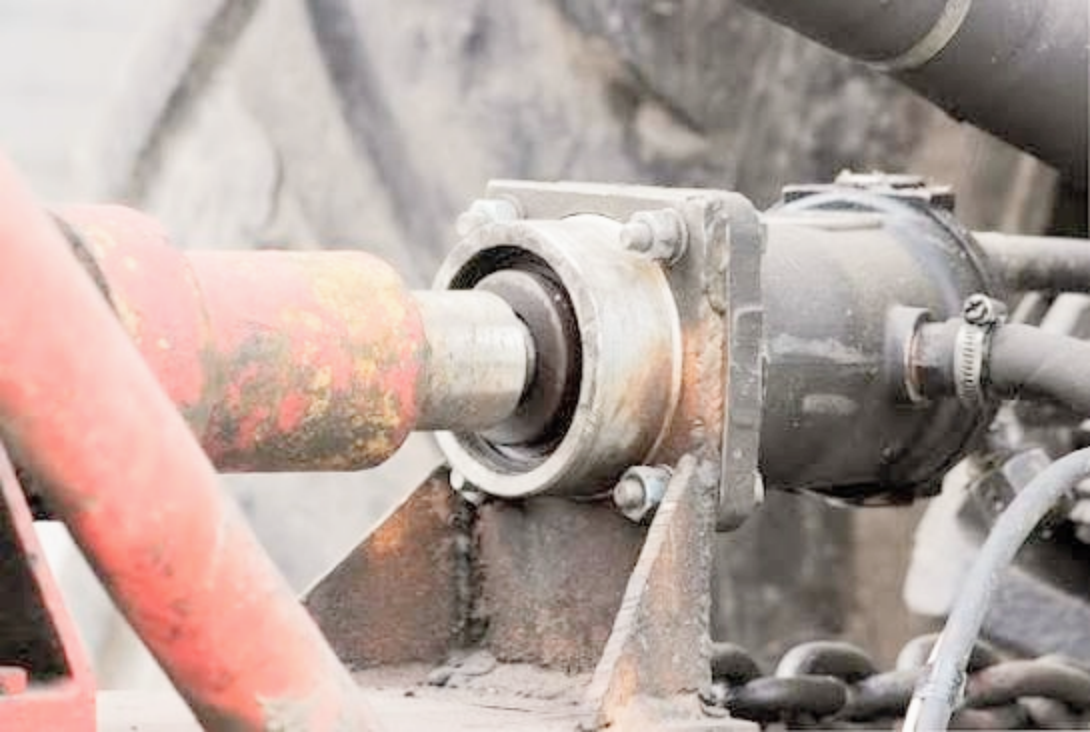
Cavitation is the failure that destroys pumps fastest and is the most preventable. A Danfoss axial piston pump cavitating at the inlet port generates implosion forces that pit the cylinder barrel bore and piston shoes in 80–150 hours — damage that looks identical to abrasive wear on teardown but has a completely different cause and prevention. Cavitation at an axial piston pump produces a distinctive high-pitched ticking or rattling sound that changes frequency with shaft speed, unlike gear pump noise which is constant-frequency at a given speed. Catching cavitation by sound at 80 hours of onset and fixing the inlet restriction costs the price of a new inlet filter and a plumbing check. Missing it costs a cylinder barrel, piston shoe set, and valve plate — $2,400–6,800 in parts alone.
5 Common Pump Failures: Identification and Fast Resolution
Failure Mode |
First Warning Signal |
Diagnosis Test |
Root Cause & Fix |
1. Cavitation at pump inlet |
High-pitched ticking/rattling at inlet — changes with speed |
Measure inlet vacuum: above 0.2 bar absolute (−0.8 bar gauge) confirms cavitation |
Blocked inlet filter, high-viscosity cold oil, undersized suction line — fix the restriction |
2. Internal bypass — worn piston seals |
Pressure drops 8–12 bar from baseline over 3 weeks; flow rate low |
Case drain flow above 3% of rated pump output at max displacement |
Barrel bore and piston seal wear — pressure test confirms; kit replacement or pump rebuild |
3. Shaft seal leak — case pressure too high |
Oil weep at shaft seal area; not at fittings or housing joints |
Measure case drain pressure: above 3.5 bar causes shaft seal extrusion |
Case drain restriction or back pressure — clear case drain line; check drain port filter |
4. Bearing failure — contaminated oil |
Low-frequency rumble below shaft speed; vibration at bearing housing |
Vibration analysis at bearing frequency; oil sample for metallic debris |
ISO cleanliness above 18/16/13 — flush to ISO 16/14/11; replace bearings |
5. Swashplate control drift — variable pump |
Flow output inconsistent at fixed control input; hunting at part load |
Measure displacement vs control signal — non-linear response confirms control wear |
Control spool or servo piston wear — rebuild servo control; check pilot oil supply pressure |
The 10-minute daily check — inlet vacuum gauge, case drain flow estimate, outlet pressure logged vs baseline, noise characteristic, oil sample color — catches four of the five failure modes listed above at the first-warning stage. Failure mode 5 (swashplate drift) requires a calibrated signal-displacement test to identify, but it also develops slowly enough that quarterly calibration checks prevent it reaching production impact. HOVOO supplies Danfoss pump rebuild seal kits and diagnostic tools for Series 45, H1, and 90-series platforms. Full references at hovooseal.com.


