

 EN
EN
 AR
AR CS
CS DA
DA NL
NL FI
FI FR
FR DE
DE EL
EL IT
IT JA
JA KO
KO NO
NO PL
PL PT
PT RO
RO RU
RU ES
ES SV
SV TL
TL IW
IW ID
ID LV
LV SR
SR SK
SK VI
VI HU
HU MT
MT TH
TH TR
TR FA
FA MS
MS GA
GA CY
CY IS
IS KA
KA UR
UR LA
LA TA
TA MY
MY
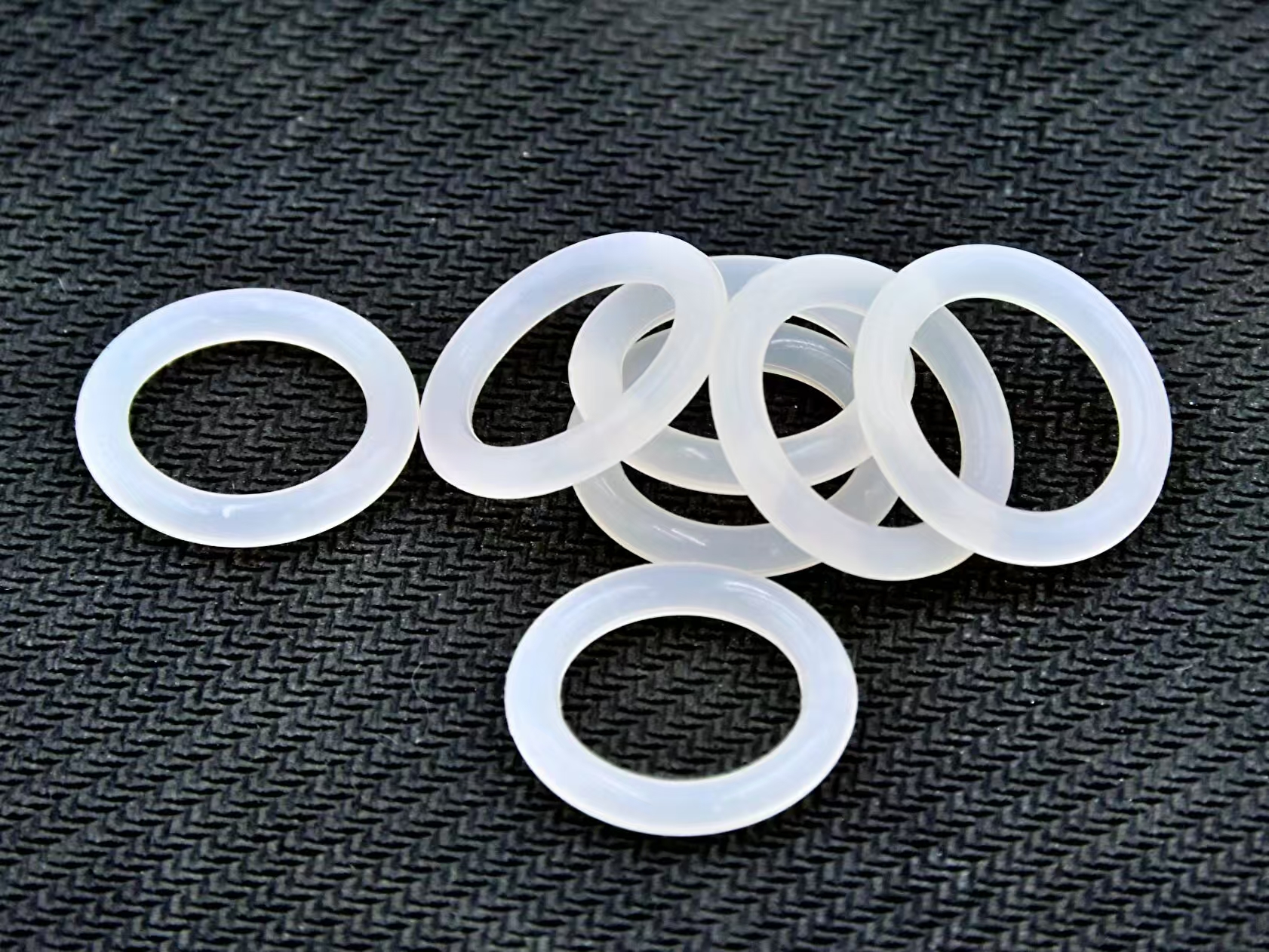
Precision and reliability in sealing begin with standardization. The AS568 Aerospace Standard, developed by the Society of Automotive Engineers (SAE), is the universal language for O-ring sizes. It defines over 375 standard "dash numbers" (e.g., -001 to -475) based on inside diameter and cross-sectional diameter, with precise tolerances. This allows engineers, procurement specialists, and maintenance technicians worldwide to specify and source interchangeable seals, eliminating guesswork and ensuring proper gland fit. When selecting seals for high-temperature applications, the AS568 size is the starting point; the next, equally critical step is material selection.
Silicone Rubber (VMQ) is a workhorse for elevated temperature applications where extreme chemical resistance is not the primary concern. Its siloxane backbone provides outstanding thermal stability, with a continuous service range from -60°C to +225°C. It maintains excellent flexibility and a low compression set across this range. VMQ also has good resistance to ozone, sunlight, and weathering. These properties make it ideal for:
· Aerospace: Sealing cabin air ducts, avionics cooling systems, and certain fuel system vents where high temperatures from adjacent systems are a factor.
· Appliance and Electrical: Gaskets for ovens, dishwashers, and high-temperature wire insulation.
· Industrial: Static seals in hot air and gas handling equipment.
Common AS568 dash sizes like AS010 and AS024 are frequently called out in specifications for turbine auxiliary systems and electrical enclosures.
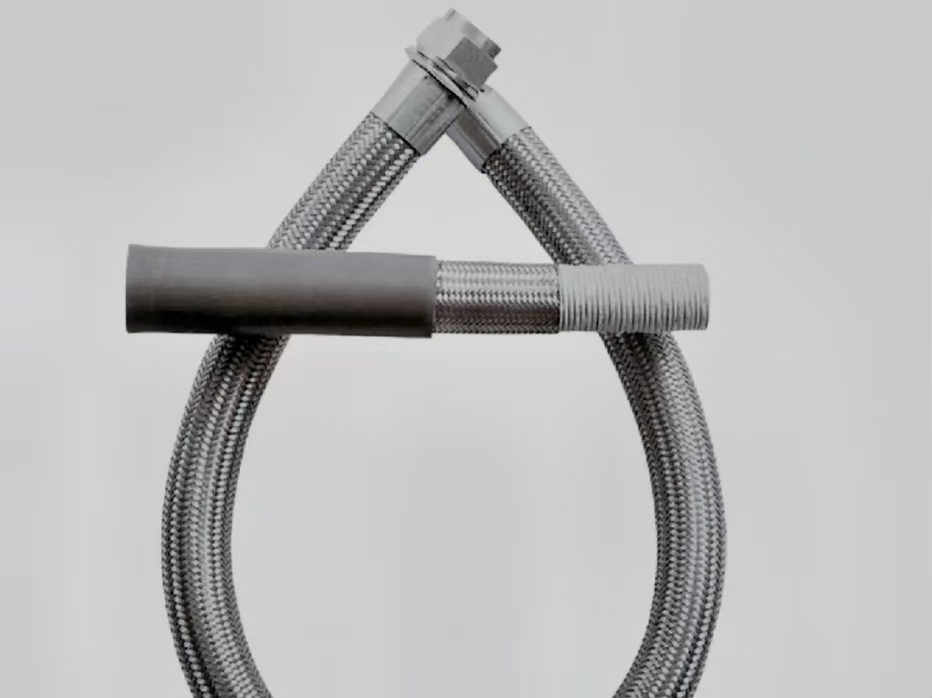
For the most extreme thermal and chemical environments, Perfluoroelastomers (FFKM), with Kalrez® and Chemraz® being leading brands, represent the pinnacle of sealing technology. FFKM parts have a fully fluorinated polymer structure, similar to PTFE (Teflon®) but with the added property of elasticity. This grants them:
· Continuous Service Temperatures exceeding 300°C (some grades up to 327°C).
· Near-universal Chemical Resistance: They are compatible with virtually all fluids except for certain fluorinated solvents at high temperatures.
· Excellent Plasma and Dry Heat Resistance.
Their application is justified where failure is not an option and cost is secondary to performance:
· Steam and Gas Turbines: Seals for control valve stems, turbine casing splits, and sensing lines exposed to superheated steam.
· Semiconductor Manufacturing: Seals in plasma etching and chemical vapor deposition chambers.
· Chemical Processing: Seals for aggressive acid and solvent service.
The economic calculation is key. A power plant in India might use cost-effective VMQ seals for general hot water lines in a steam turbine hall but will specify FFKM for the critical main steam stop valve stem seals, where a leak could cause a forced outage costing hundreds of thousands of dollars per day. In the USA, aerospace and defense specifications rigorously dictate where FFKM must be used versus where high-grade FKM or VMQ is acceptable, based on rigorous testing per standards like AMS (Aerospace Material Specifications). The selection process thus moves from size (AS568) to environment (temperature/chemical) to a cost-benefit analysis of material performance versus system criticality.


