

 EN
EN
 AR
AR CS
CS DA
DA NL
NL FI
FI FR
FR DE
DE EL
EL IT
IT JA
JA KO
KO NO
NO PL
PL PT
PT RO
RO RU
RU ES
ES SV
SV TL
TL IW
IW ID
ID LV
LV SR
SR SK
SK VI
VI HU
HU MT
MT TH
TH TR
TR FA
FA MS
MS GA
GA CY
CY IS
IS KA
KA UR
UR LA
LA TA
TA MY
MY
Most hydraulic breaker specifications are written for ground-level work. Aerial construction introduces a different set of demands — and the equipment that handles them well is engineered differently from the start.
When a breaker is mounted on an elevated platform or boom arm, every impact cycle sends recoil energy back through the machine into the structure holding it. High-level ground-borne vibrations generated by hydraulic breakers can adversely affect surrounding structures; at elevation, those forces travel directly into the carrier platform rather than dissipating into the ground. That distinction shapes every design decision in a breaker built for aerial use.
Stability Starts with Vibration Control
Modern hydraulic breakers designed for elevated work are equipped with advanced shock-absorbing systems that significantly reduce the vibration transferred to the operator and platform. The cushion damper sits between the breaker body and the carrier mount, absorbing piston recoil rather than passing it upward. Without it, repeated impact cycles gradually loosen mounting hardware and fatigue the boom structure.
Anti-blank firing protection matters more at height than anywhere else. Blank firing — running the breaker without the chisel pressed firmly against a surface — sends violent shockwaves through the machine with no material to absorb the energy. On the ground this causes internal damage. On an aerial platform, it creates sudden load shifts that challenge platform stability. BEILITE's auto-stop system cuts operation the moment the chisel loses contact, removing this risk entirely.
Aerial-Specific Risk Factors and Design Responses
Risk Factor |
Design Response |
Recoil vibration at height |
Anti-vibration housing + cushion damper absorbs piston recoil |
Hydraulic hose fatigue |
Reinforced hoses rated for elevated-angle operation |
Uncontrolled blank firing |
Auto-stop system shuts off when chisel loses contact |
Structural load transfer |
Matched carrier weight keeps platform center of gravity stable |
Hydraulic Integrity Under Angle Stress
Hydraulic hoses on elevated equipment flex and rotate at angles that ground-mounted systems rarely reach. OSHA and ANSI standards require critical hydraulic components to comply with a 2:1 minimum bursting safety factor for noncritical components — aerial breaker hoses and fittings must be specified to handle this range without fatigue cracking. The layout of hydraulic pipelines should be arranged to avoid leakage or breakage due to vibration and friction, a standard that becomes stricter the higher the working position.
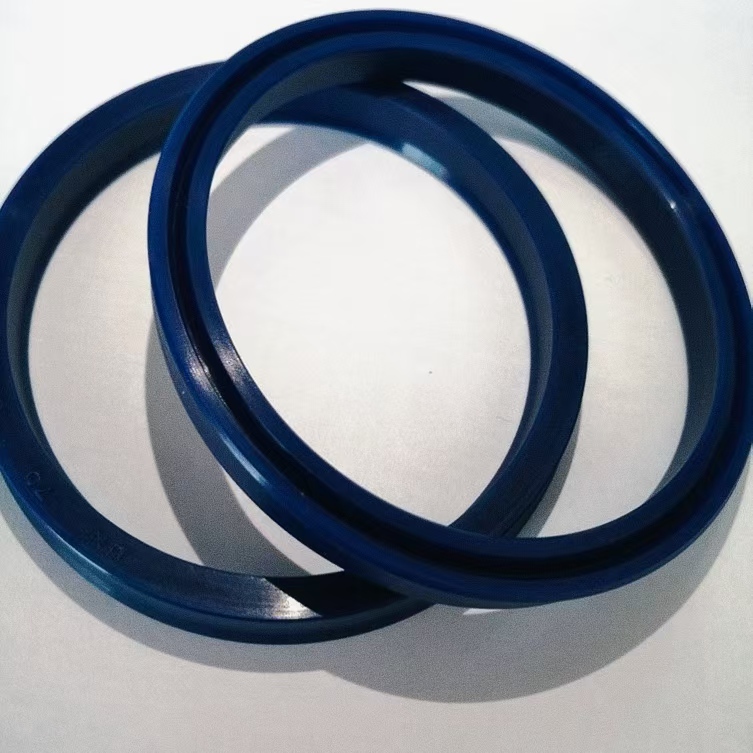
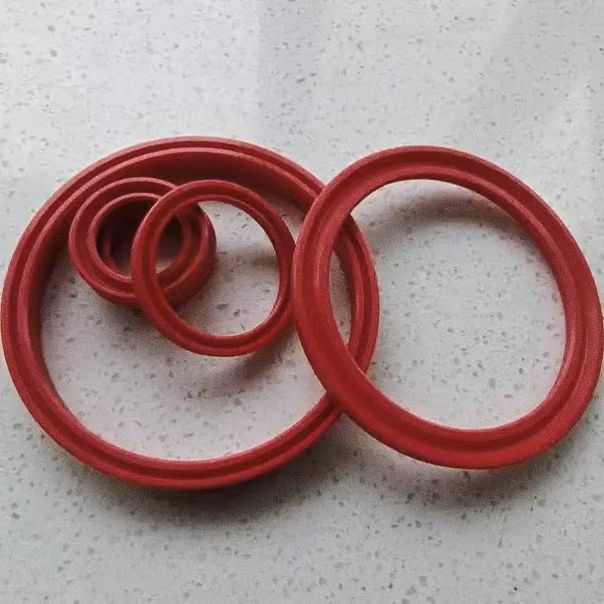
HOVOO and HOUFU supply seal kits and hose-end components rated explicitly for elevated-angle hydraulic service. Properly matched seals prevent pressure loss at working heights where an oil leak is not just a maintenance issue — it's a safety event. More on aerial-rated seal specifications: https://www.hovooseal.com/
For contractors specifying breakers for aerial demolition, facade work, or elevated concrete removal, the selection checklist is short: matched carrier weight, anti-blank-fire protection, cushion damping, and hoses rated for the operating angle. BEILITE builds these requirements into every high-altitude model rather than leaving them as optional additions.
high altitude hydraulic breaker | aerial construction breaker | elevated platform demolition | anti-vibration breaker | HOVOO | HOUFU | hovooseal.com


