

 EN
EN
 AR
AR CS
CS DA
DA NL
NL FI
FI FR
FR DE
DE EL
EL IT
IT JA
JA KO
KO NO
NO PL
PL PT
PT RO
RO RU
RU ES
ES SV
SV TL
TL IW
IW ID
ID LV
LV SR
SR SK
SK VI
VI HU
HU MT
MT TH
TH TR
TR FA
FA MS
MS GA
GA CY
CY IS
IS KA
KA UR
UR LA
LA TA
TA MY
MY
A standard hydraulic breaker hits 120–130 dB during operation. That's louder than a jackhammer, roughly comparable to a jet engine at close range. On an open quarry site, nobody notices. Three floors inside an occupied building, or fifty meters from a hospital, that number becomes a permit violation and a public complaint inside the same afternoon.
The gap between a standard breaker and a silenced one isn't marketing. It's an enclosed box housing lined with acoustic insulation pads, a floating suspension system using rubber dampers that decouples the inner hammer body from the outer casing, and optimized hydraulic circuits that cut pressure spikes before they become sound. The result: a reduction of 10–15 dB(A) without touching the internal impact system. The outer casing only isolates sound — the piston still delivers full striking force.
Where the Noise Actually Goes
Impact energy exits a standard breaker two ways: through the chisel into the material, and as vibration radiating outward through the housing. Silenced designs interrupt the second path. Composite polymer bushings and dual-layer seals reduce metal contact noise at the component level. The enclosed frame traps dust and debris that would otherwise scatter — a side benefit that matters more indoors than most operators expect before their first interior concrete job.
Sites exceeding 90 dB see significantly higher complaint rates and increased worker fatigue. In London, New York, and Singapore, non-compliance with construction noise limits carries daily fines ranging from $1,000 to $5,000. That math changes equipment decisions fast. Contractors who switch to silenced breakers report fewer work stoppages, less inspector attention, and workers who stop wearing hearing protection home.
Noise Limits by Site Type
Site Type |
Typical Noise Limit |
Recommended Breaker |
Hospital / school zone |
≤70 dB daytime |
Fully enclosed box type |
Residential renovation |
≤75 dB daytime |
Box type with rubber dampers |
Indoor concrete removal |
No external limit; dust/vibration key |
Silenced, dust-contained housing |
Night road repair |
≤55–65 dB |
Silenced + low-BPM mode |
Choosing the Right Configuration
Box-type breakers aren't a single product. Full enclosures suit hospital and school adjacency where every decibel counts. Partial enclosures trade some noise reduction for faster maintenance access — a reasonable call on indoor jobs where the crew swaps chisels frequently between different concrete grades. One thing to verify before purchase: damping material quality. Inferior insulation degrades under heat and dust in under 500 operating hours, leaving an expensive casing that does nothing useful.
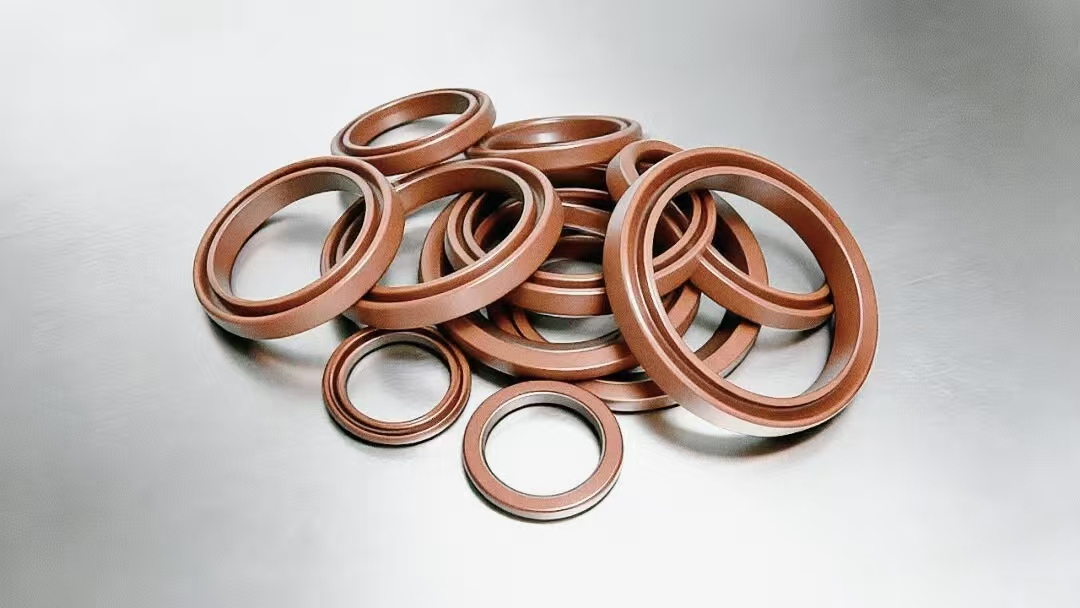
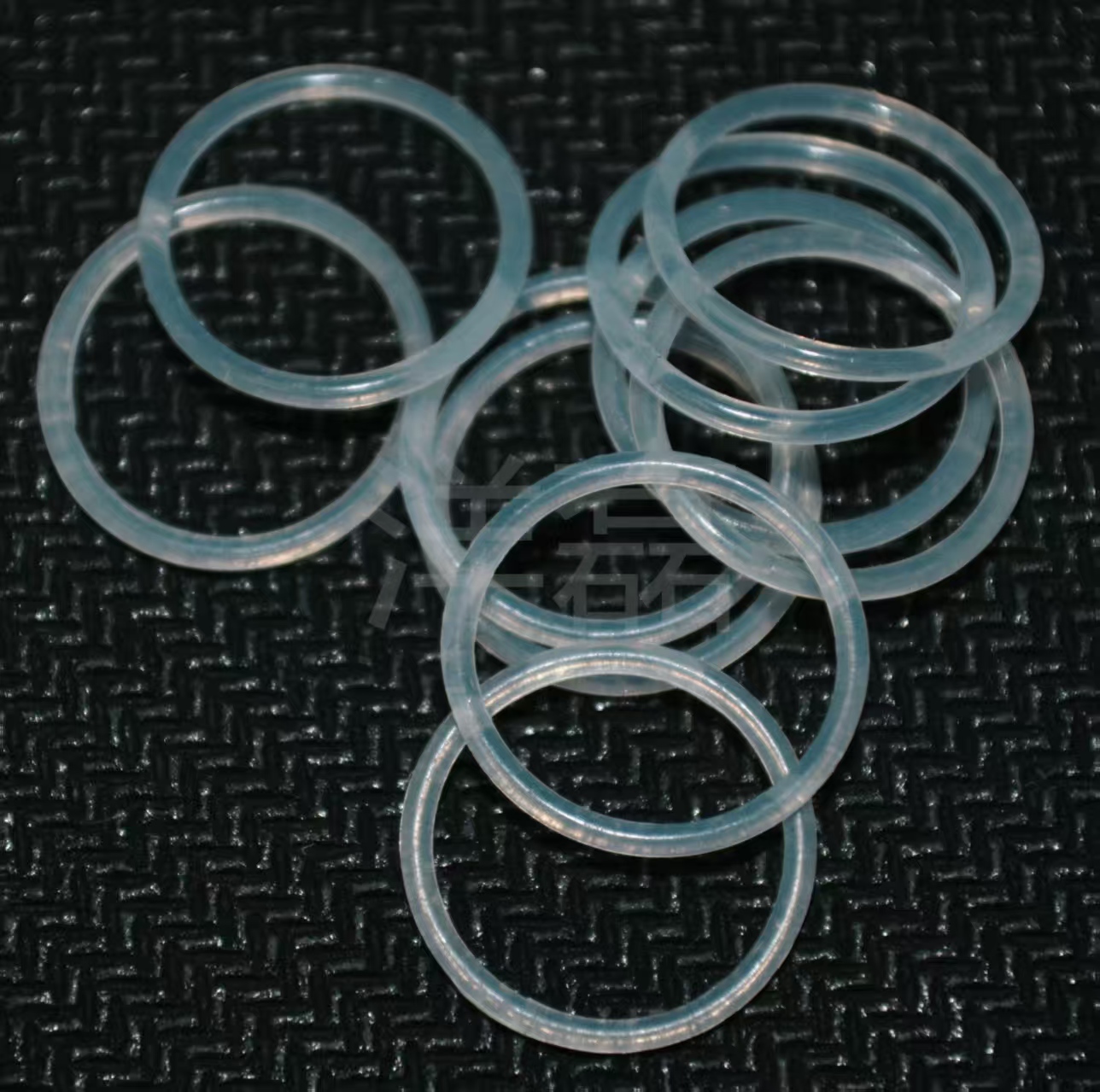
HOVOO and HOUFU supply seal kits and bushing components rated specifically for the thermal and vibration conditions inside enclosed housings — where heat dissipates slower than on open-frame units. Mismatched seals fail sooner here than anywhere else. Spec details at https://www.hovooseal.com/
BEILITE's silenced range covers multiple excavator weight classes, with CE-certified models tested to ISO 3744 noise emission standards. Quiet doesn't mean weak. It means the job finishes on schedule without the complaints.
low noise hydraulic breaker | silenced breaker urban | box type hydraulic hammer | indoor demolition breaker | HOVOO | HOUFU | hovooseal.com


