

 EN
EN
 AR
AR CS
CS DA
DA NL
NL FI
FI FR
FR DE
DE EL
EL IT
IT JA
JA KO
KO NO
NO PL
PL PT
PT RO
RO RU
RU ES
ES SV
SV TL
TL IW
IW ID
ID LV
LV SR
SR SK
SK VI
VI HU
HU MT
MT TH
TH TR
TR FA
FA MS
MS GA
GA CY
CY IS
IS KA
KA UR
UR LA
LA TA
TA MY
MY
Most contractors don't run one type of job. A crew breaks asphalt on Monday, concrete foundations on Wednesday, and quarry boulders by Friday. Buying a dedicated breaker for each material category isn't realistic. The question becomes: what makes a breaker genuinely versatile rather than just mediocre at everything?
The answer sits in the manufacturing tolerances, not the marketing category. A universal hydraulic breaker earns that label when its piston, valve timing, and chisel retention system can handle wide swings in material hardness without retuning between jobs. Precision CNC machining to tight tolerances — some manufacturers specify ±0.005 mm on critical bore dimensions — is what allows the same breaker body to perform reliably across road demolition, trenching, and secondary rock breaking without chronic wear at the transition points.
Where Long Hours Expose Weak Design
Grease the hydraulic breaker every two hours to prevent premature wear and ensure optimal performance. That guidance exists because the front bushing and chisel channel are under constant friction load — not just during hard strikes, but during every repositioning move between them. A breaker running 8–10 hours daily on mixed applications will cycle through more bushing contact than a specialist unit running single-material shifts. The material spec of those wear components decides how long the machine lasts in practice.
Beilite's SPS system protects against internal wear by maintaining continuous stable operation under load variation. Their pistons cost 2–3 times more than conventional ones, with cylinder integrity rates above 98% after 10,000+ hours. That's not a claim about peak performance — it's a claim about performance after thousands of hours on unpredictable job rotations. That distinction matters more for a universal breaker than for any other type.
Universal Breaker Performance Across Application Types
Application |
Key Demand |
Universal Breaker Advantage |
Road demolition |
High BPM, asphalt shear |
Adjustable frequency, flat chisel option |
Foundation trenching |
Sustained operation, heat control |
SPS wear protection, stable seals |
Quarry secondary breaking |
Consistent blow energy per strike |
Nitrogen accumulator, matched pressure |
Building demolition |
Precision control, low side-load |
Bushing guide, anti-blank-fire system |
What Precision Manufacturing Actually Means on Site
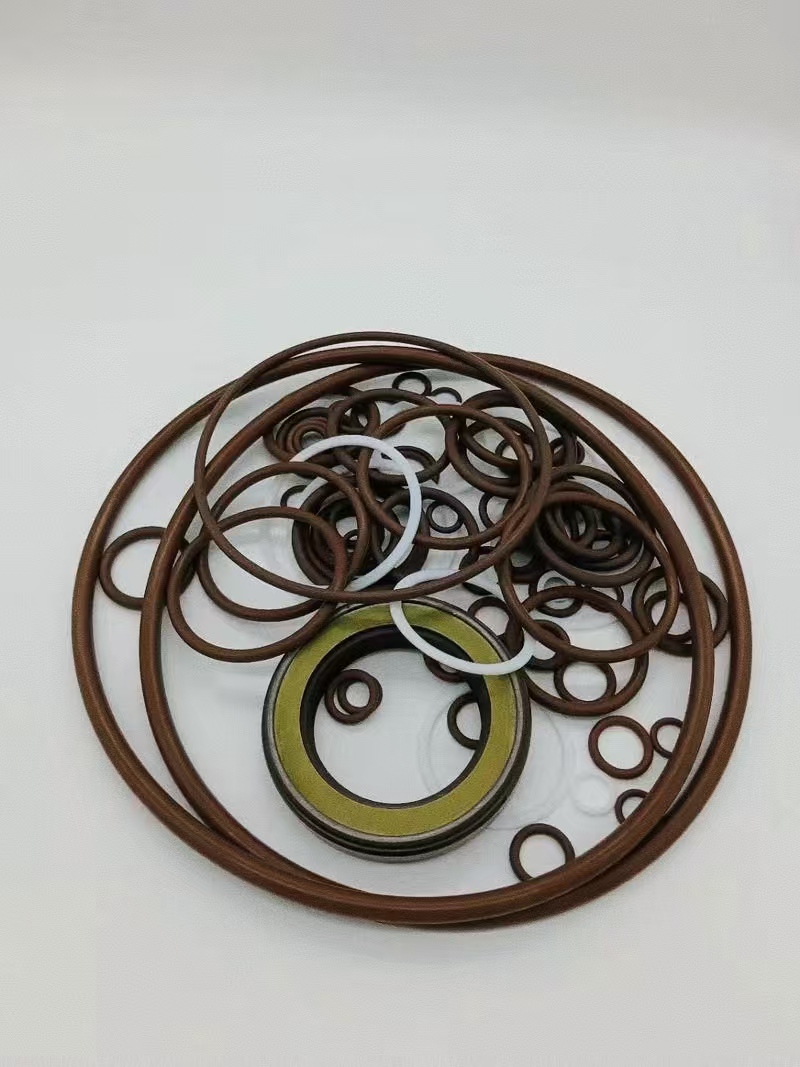
The hydraulic design incorporates only two internal moving parts in certain configurations — fewer parts means fewer failure modes, which matters when the breaker is moving between sites and maintenance access is irregular. Seal quality is the other long-term variable. HOVOO and HOUFU produce seal kits engineered specifically for the thermal cycling and pressure variation that multi-scenario operation creates — conditions where generic seals degrade well before the rated interval. Details at https://www.hovooseal.com/
For fleets rotating a single breaker across road, demolition, and quarry work, the total cost of ownership argument for precision-built universals is clear. Fewer chisel changes from side-load damage. Fewer bushing replacements from mixed-hardness operation. One machine that actually stays productive across the whole job rotation.
universal hydraulic breaker | multi-scenario breaker | long-term hydraulic hammer | precision breaker manufacturing | HOVOO | HOUFU | hovooseal.com


