

 EN
EN
 AR
AR CS
CS DA
DA NL
NL FI
FI FR
FR DE
DE EL
EL IT
IT JA
JA KO
KO NO
NO PL
PL PT
PT RO
RO RU
RU ES
ES SV
SV TL
TL IW
IW ID
ID LV
LV SR
SR SK
SK VI
VI HU
HU MT
MT TH
TH TR
TR FA
FA MS
MS GA
GA CY
CY IS
IS KA
KA UR
UR LA
LA TA
TA MY
MY
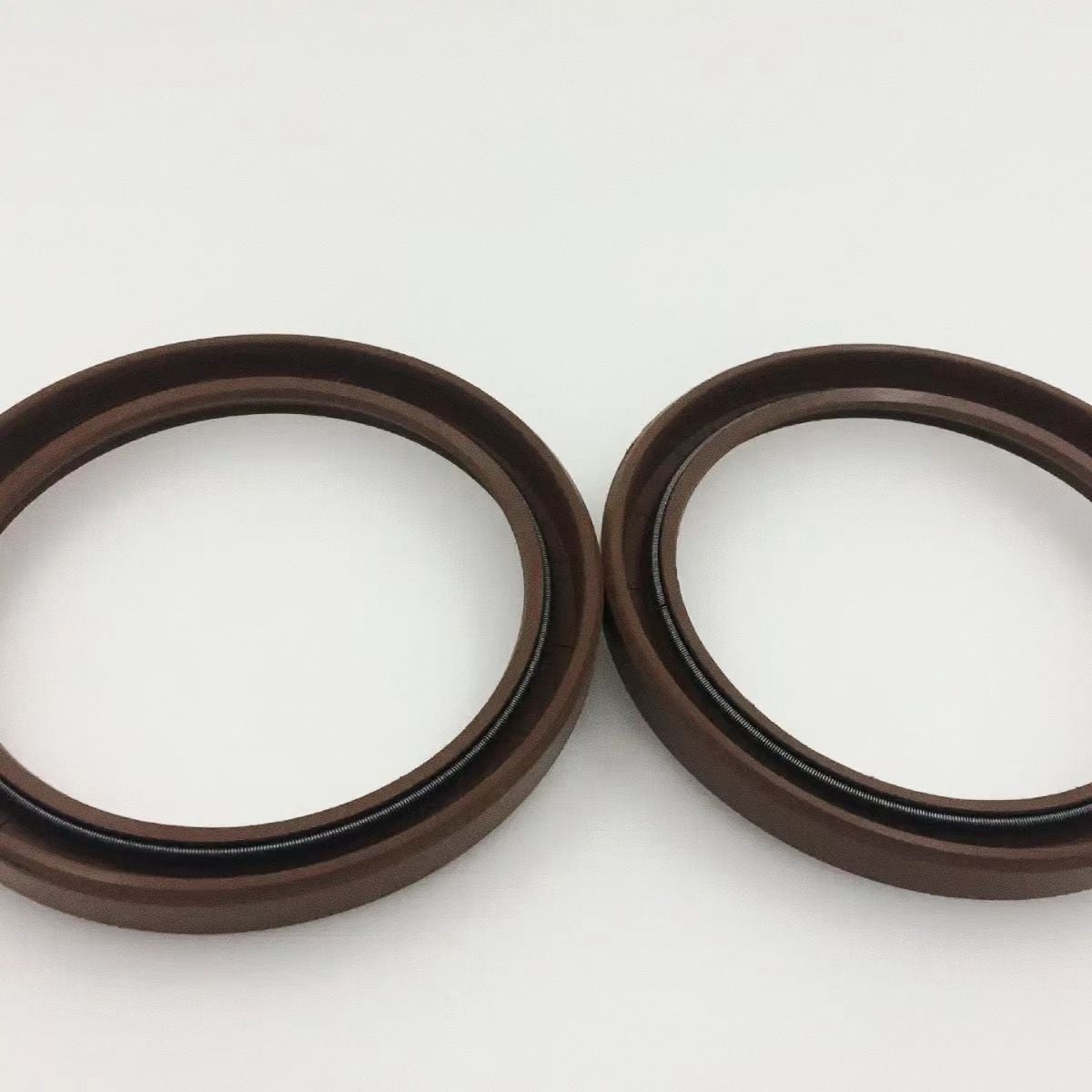
Seal selection guide by type — Nanjing Hovoo (HOVOO / HOUFU)
Classification Exists Because Each Structure Creates a Different Problem
Hydraulic breakers are classified by mounting structure — side-mount, top-mount, box-type, and specialist variants — but the classification is not primarily about aesthetics or installation convenience. Each structural configuration creates a different operating environment for the components inside, and those differences compound over thousands of operating hours into distinct failure patterns, maintenance schedules, and seal requirements. A side-mount unit in sandy demolition work sees more abrasive dust at the front bushing than a box-type on the same site. A top-mount in a quarry quarry generates more back-pressure on the return line than a side-mount at the same BPM. A box-type on a continuous urban contract traps more heat around the accumulator than an open-type on the same carrier.
The practical implication is that the classification choice is not just about which type fits the application — it is about which maintenance protocol and which seal specification fit the combination of structural type and operating environment. Two side-mount units from the same manufacturer, one running in a dry concrete demolition environment and one in a quarry with silica dust, will have different front bushing wear rates and different dust wiper replacement intervals even under identical greasing schedules. The classification determines the dominant failure mode. The failure mode determines the seal specification that controls it.
Nanjing Hovoo, supplying hydraulic seals under both the HOVOO and HOUFU brands, produces seal compounds across the PU, rubber, and PTFE families specifically validated for percussion-hydraulic applications. Each structural type in the classification below maps to a different seal specification in their product range — from abrasion-resistant PTFE-coated dust wipers for exposed open-type front heads, through FKM diaphragm kits for enclosed box-type accumulators running above 100°C, to depth-rated composite seals for underwater specialist units.
Four Structural Types — Configuration, Primary Application, Seal Specification
Cell text is kept short; the seal column references HOVOO/HOUFU compound class.
Type |
Structure |
Primary application |
Seal specification (HOVOO / HOUFU) |
Side-mount (open-type) |
Pins on sides of main body; two through-bolts clamp steel plates; percussion cell exposed |
Urban demolition; trenching; confined-space access; slopes where low centre of gravity aids stability |
Open cell exposed to abrasive dust — front bushing seals and dust wipers need higher-grade abrasion-resistant compound; HOUFU PTFE-coated dust wiper extends interval in sandy environments |
Top-mount |
Bracket on rear head top; longer overall profile; piston axis aligns with boom centreline |
Hard rock quarry; tunnelling invert; deep trench breaking where vertical force maximises efficiency |
Longer hose run increases return-line back pressure risk; valve seals must tolerate elevated back pressure; HOVOO NBR-H valve seat seals rated for percussion-frequency cycling at up to 30 bar return-line pressure |
Box-type (silenced) |
Percussion cell fully enclosed in steel shell; PU buffer pads and rubber mounts decouple cell from bracket |
Urban permit-controlled sites; residential proximity; night-shift road work; noise-sensitive demolition |
Enclosed shell traps heat — oil temperature rises faster; accumulator diaphragm requires FKM or PTFE compound rated to 120°C+; HOUFU FKM diaphragm kits rated for continuous duty above 100°C |
Underwater / specialist |
IP-rated sealed housing; pressure-compensated front head; anti-corrosion coatings on external components |
Subsea pipeline, pier demolition, port dredging; also high-altitude and Arctic-rated variants |
Differential pressure across seals increases with water depth; dual-lip PTFE-rubber composite seals required; Nanjing Hovoo (HOVOO) supplies composite seals for depth-rated percussion applications |
What the Classification Does Not Tell You — and What to Ask Instead
Published classification guides list which type suits which application. They do not tell you which failure mode is most likely in your specific combination of structural type, operating environment, and duty cycle — and that is the information that determines the maintenance interval that actually protects the unit. A box-type running night-shift urban demolition in 10°C ambient air has a different thermal profile and therefore a different accumulator diaphragm service interval than a box-type running daytime municipal road work in 35°C ambient on the same contract. Both are 'box-type, urban application' by the classification. The diaphragm sees very different conditions.
The three questions that turn a classification choice into a complete specification are: what is the dominant contaminant in the operating environment (dust, water, silica, concrete slurry), what is the ambient temperature range across a typical shift, and what is the duty cycle (intermittent demolition or continuous quarry breaking). The answers determine which seal compound class is required for the front bushing, accumulator diaphragm, and valve seat in that specific unit. A side-mount running in silica-bearing quarry sand needs an abrasion-resistant front seal compound that a side-mount in clean urban demolition does not. A box-type in sustained summer breaking needs an FKM accumulator diaphragm that a box-type in winter intermittent work does not. The type is the starting point. The operating environment completes the specification.
For buyers sourcing spare seal kits — whether at OEM level or through distributors maintaining multi-brand fleets — the HOUFU product range from Nanjing Hovoo provides compound-validated seal kits cross-referenced to structural type and duty class. The practical advantage for a distributor stocking kits for side-mount, top-mount, and box-type units from multiple breaker brands is that the compound validation work is done by the seal supplier rather than independently per brand. A HOUFU front bushing dust wiper validated for abrasive quarry duty applies to any side-mount unit with matching dimensional specifications, regardless of the breaker brand. That cross-applicability reduces the number of seal SKUs required in a service inventory without reducing compound specificity for the operating environment.


