

 EN
EN
 AR
AR CS
CS DA
DA NL
NL FI
FI FR
FR DE
DE EL
EL IT
IT JA
JA KO
KO NO
NO PL
PL PT
PT RO
RO RU
RU ES
ES SV
SV TL
TL IW
IW ID
ID LV
LV SR
SR SK
SK VI
VI HU
HU MT
MT TH
TH TR
TR FA
FA MS
MS GA
GA CY
CY IS
IS KA
KA UR
UR LA
LA TA
TA MY
MY
A hydraulic rock drill operating in a coal mine faces a hazard category that simply doesn't apply to metal mining or tunnel construction: methane ignition. The percussion mechanism generates heat at the piston strike face and at the shank-guide bushing interface; the hydraulic circuit runs at 160–220 bar with a warm return-oil temperature; and if an oil spray from a fitting failure reaches a gas accumulation, the fire risk is immediate. Every component selection and operational procedure in a coalmine hydraulic drill application must be evaluated against this background, not just against the standard performance and service-life criteria.
Coal mines are also categorized by gas hazard classification—from non-gassy to highly gassy—with corresponding regulatory requirements for equipment specifications that vary by jurisdiction. The selection rules in this article apply specifically to hydraulic rock drill drifters and their associated fluid circuits, within the equipment category rather than as a substitute for site-specific regulatory compliance.
Anti-Explosive Design Requirements
Fire-resistant hydraulic fluid is the baseline requirement for any underground coal mine hydraulic circuit. Standard mineral oil hydraulic fluid is flammable; a hose failure spraying mineral oil over hot surfaces or an electrical arc creates a real ignition pathway. Water-in-oil emulsions (HFA-E, typically 95–97% water with oil concentrate) or water glycols (HFC) are the standard fire-resistant alternatives for underground coal mine percussion circuits. The trade-off: both have lower lubricity than mineral oil, which places higher demands on the seal materials and on the anti-wear additive package in the fluid.
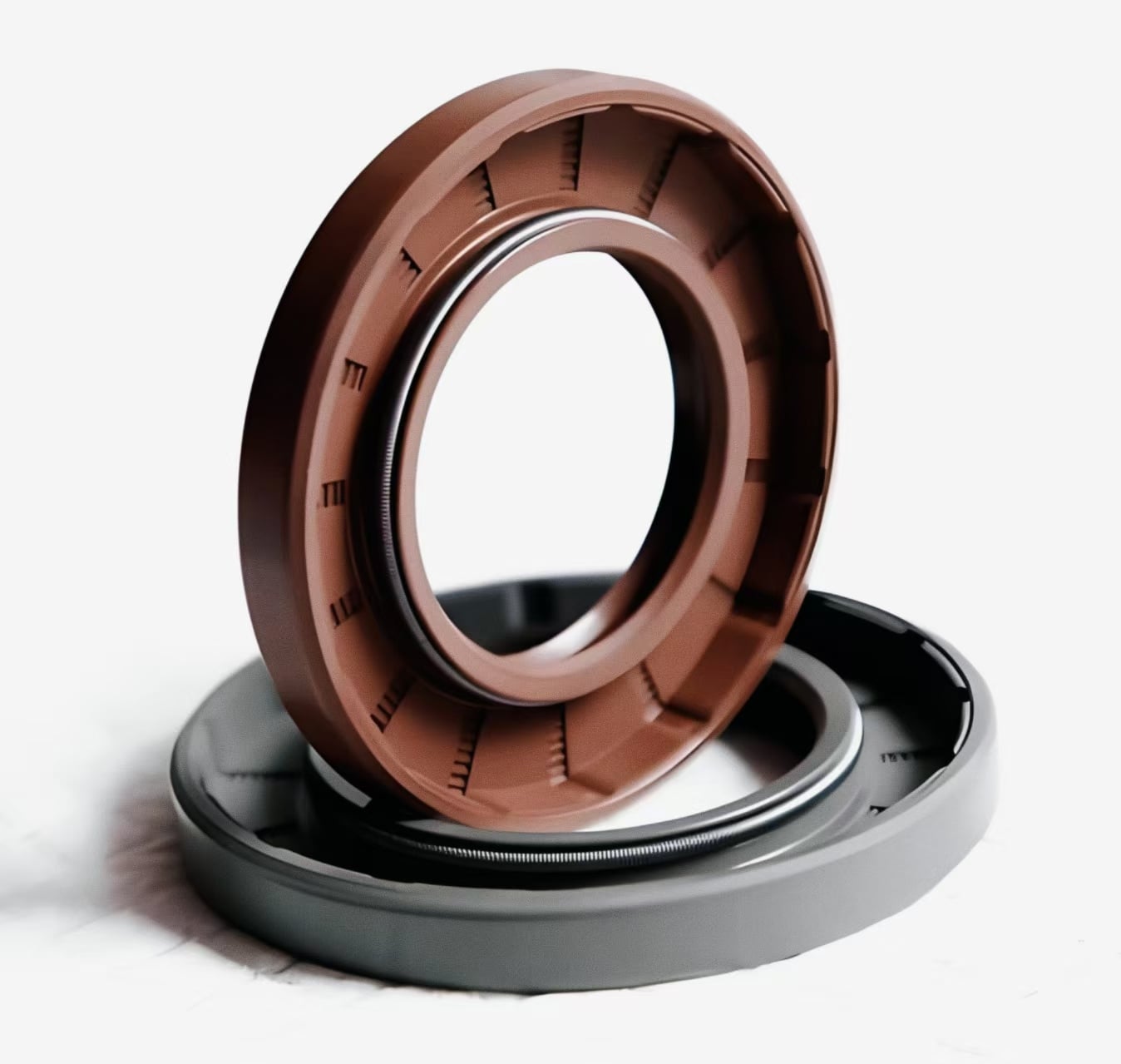
PU percussion seals perform acceptably with water-in-oil emulsions at concentrations maintained within spec. When emulsion concentration drifts below 5% oil concentrate (the typical minimum), lubricity drops sharply and PU seals wear faster than their design life. HNBR seals tolerate the concentration variation better and are preferred in operations where maintaining exact emulsion concentration is difficult. Water glycol fluids at the wrong glycol concentration can attack standard NBR static seals (O-rings) through swelling—FKM or HNBR O-ring compounds are specified for water glycol circuits in place of standard NBR.
Equipment Specifications for Gassy Environments
Component |
Standard Spec (Non-Gassy) |
Coal Mine Spec (Gassy) |
Reason |
Hydraulic fluid |
Mineral oil HM/HV grade |
Fire-resistant: HFA-E or HFC |
Flammability; ignition risk |
Percussion seals |
PU standard compound |
HNBR preferred |
HFA-E emulsion tolerance; concentration variation |
Static O-rings |
NBR standard |
HNBR or FKM (water glycol circuits) |
Water glycol attacks standard NBR |
Hose material |
Standard hydraulic hose |
Anti-static outer sheath |
Static charge accumulation in gas atmosphere |
Electrical components |
Standard IP rating |
EEx rated (intrinsic safety or flameproof) |
Ignition source elimination |
Temperature limits |
Return oil <80°C normal |
Strict monitoring, lower threshold |
Higher consequence of overheating |
Flushing medium |
Water (standard) |
May require treated mine water |
Methane solubility in flushing water |
Operational Safety: The Three Procedures That Matter Most
Fluid circuit inspection before each shift is non-negotiable in a coalmine environment where a hose failure during operation creates an immediate fire hazard. The inspection covers: hose condition (no cuts, abrasion through the outer sheath, or bulging that indicates internal damage), fitting connections (no weeping at threaded joints, no movement of fittings under hand pressure), and tank fluid level with emulsion or glycol concentration check. A degraded emulsion that looks normal in color but tests below 5% oil concentration is a seal damage and ignition risk simultaneously.
Blank-fire prevention is more critical in coal mines than in other applications. When the bit loses rock contact and percussion runs against air, the percussion circuit relief valve operates continuously, generating heat at the valve body. In standard mining and construction, this is a maintenance concern; in a methane environment, a hot valve body is an additional ignition risk. Automatic blank-fire cut-off systems—which shut percussion within 200–500 milliseconds of detecting unloaded percussion via pressure pattern analysis—are standard specification in well-managed coalmine drifter configurations.
Post-shift purging and decompression of the percussion circuit before the drifter is disconnected removes pressurized fire-resistant fluid from the hose sections that are most likely to be disturbed during the shift change. Disconnecting a pressurized hose in a gassy heading is both a contamination risk and a fluid-spray fire risk. The procedure requires depressurizing through the system's designed relief path, not by loosening fittings under pressure.
Selection Criteria Specific to Coal Mine Environments
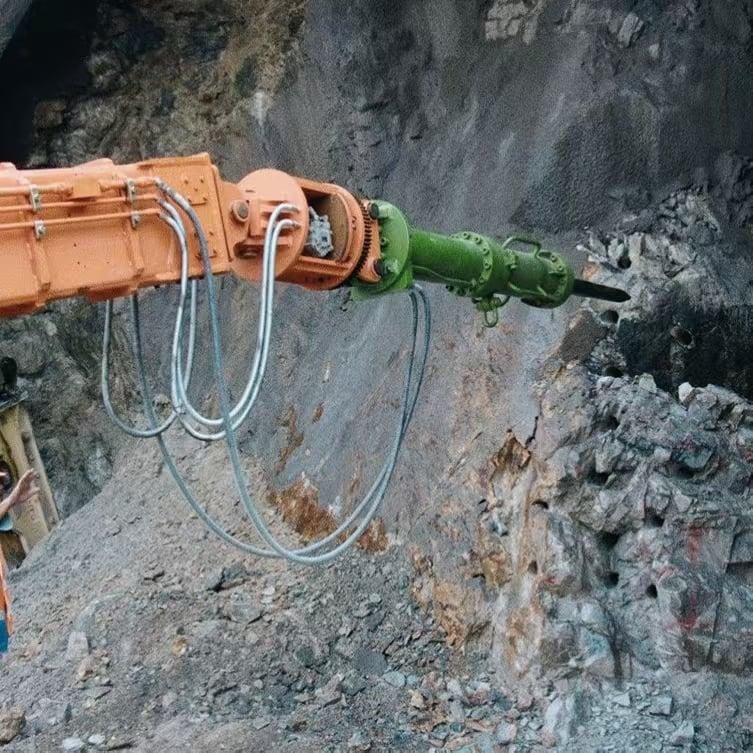
Drifter design features that reduce coal mine operating risk: closed percussion circuit (return oil flows back to tank without atmospheric exposure, minimizing fluid mist in the heading atmosphere); sealed rotation motor housing with positive-pressure barrier to prevent coal dust ingress to the bearing zone; front chuck flushing water circuit with check valve to prevent percussion oil backflow into the flushing circuit (contaminated flushing water in a coal heading is a secondary hazard); and anti-static hose sheathing on all percussion and rotation hoses.
Seal kit specification for coal mine drifters: percussion kits in HNBR compound for HFA-E or HFC fluid compatibility, front flushing seals in PTFE-backed compound (chemically inert to mine water pH variation), and all static O-rings in HNBR or FKM for water glycol circuit compatibility. These compound specifications should appear explicitly in the procurement document rather than defaulting to 'standard kit.' HOVOO supplies coal mine-appropriate seal kits for all major drifter brands, with compound options verified for HFA-E and HFC compatibility. Full model references at hovooseal.com.


