

 EN
EN
 AR
AR CS
CS DA
DA NL
NL FI
FI FR
FR DE
DE EL
EL IT
IT JA
JA KO
KO NO
NO PL
PL PT
PT RO
RO RU
RU ES
ES SV
SV TL
TL IW
IW ID
ID LV
LV SR
SR SK
SK VI
VI HU
HU MT
MT TH
TH TR
TR FA
FA MS
MS GA
GA CY
CY IS
IS KA
KA UR
UR LA
LA TA
TA MY
MY
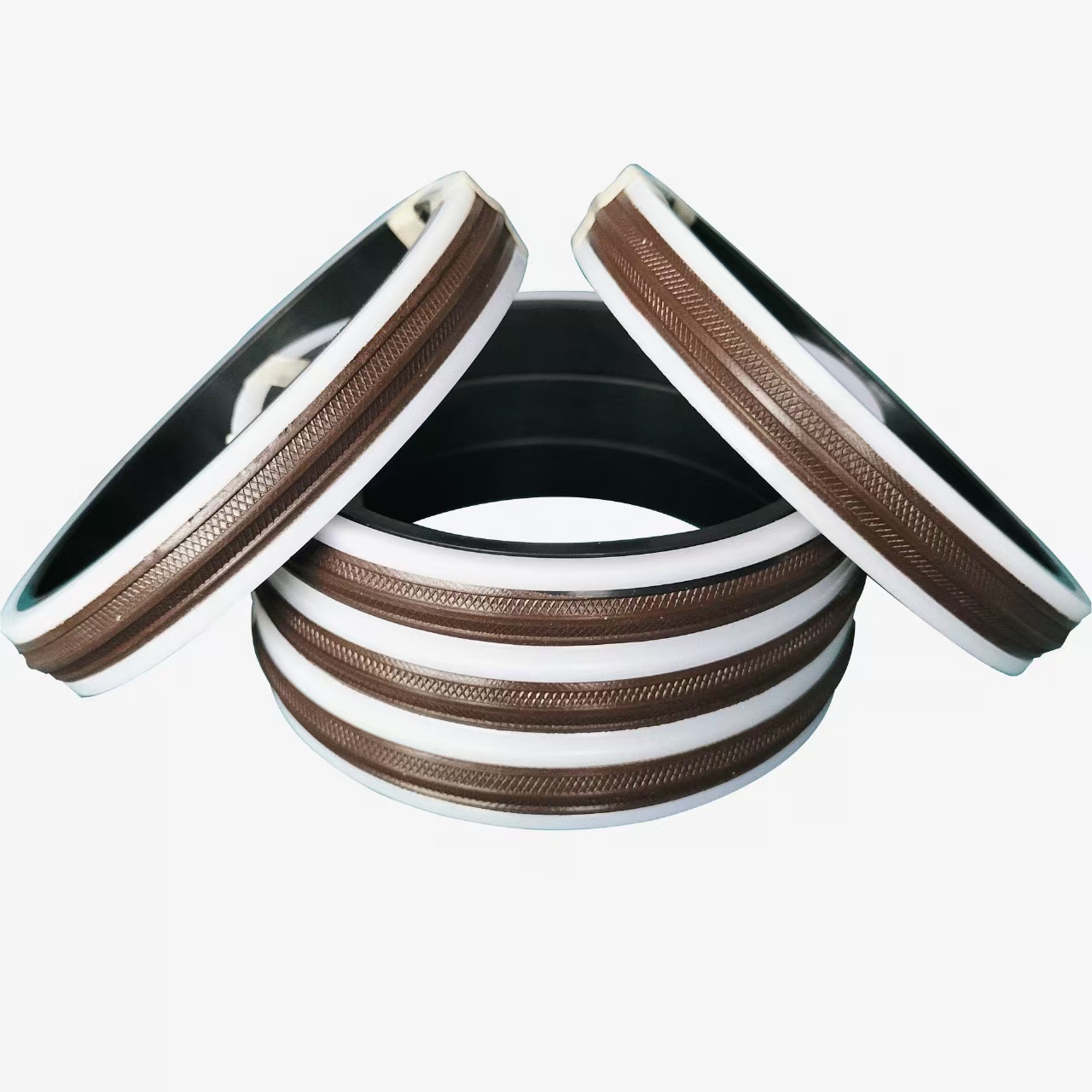
Hydraulic rock drill faults announce themselves in one of four ways: a change in percussion sound, a change in penetration rate without a formation change, a change in hydraulic pressure readings, or visible fluid. Operators who can categorize which of these four signals they're seeing cut diagnosis time in half—because each signal class points toward a different set of root causes. Treating them interchangeably and checking everything in random order is why some fault investigations take two days and others take twenty minutes.
This guide organizes the most common drifter faults by their presenting signal, identifies the likely root causes in order of probability, and describes the field test that confirms the diagnosis before any components are removed.
Fault Class 1: Changed Percussion Sound
A dull or irregular percussion sound—where normal operation has a sharp, consistent crack—indicates one of three things: the piston is striking the shank off-center due to guide sleeve wear (clearance 0.4 mm); the accumulator pre-charge has dropped and the buffering function is compromised; or the reversing valve timing has drifted, causing a secondary impact that truncates the productive stroke. The field test sequence: check guide sleeve shank wobble by hand (zero tool needed); check accumulator pre-charge with a charging gauge (system must be depressurized first); if both are within spec, the issue is in the reversing valve circuit.
A harsh, metallic percussion sound—sharper than normal but also louder—often indicates a dry flushing box: the flushing water has been interrupted, the front chuck area is running without lubrication, and the shank adapter is making dry metal contact with the guide bushing. Stop drilling immediately and restore flushing before the guide bushing seizes.
Fault Class 2: Low Penetration Rate
Low penetration rate is the most ambiguous fault class because formation changes produce the same symptom as equipment degradation. The isolation test: move to a fresh rock face in the same formation where penetration rate was previously measured, and compare. If rate is still low, the equipment is the issue; if rate recovers, the rock was harder.
Equipment-side causes in order of probability: percussion seal bypassing (high return oil temperature, normal gauge pressure—the distinguishing signal is elevated return-line temperature, not pressure drop); flow starvation from the carrier (verify actual auxiliary circuit flow at the hose connection with a flow meter—a 15–20% shortfall is enough to reduce percussion energy substantially); worn bit below its effective carbide diameter; accumulator pre-charge low (check per Class 1 procedure above).
Fault Diagnosis Quick-Reference
Symptom |
Most Likely Cause |
Field Test |
Quick Fix |
Dull/irregular percussion |
Guide sleeve worn OR accumulator low |
Shank wobble test; pre-charge check |
Replace sleeve / recharge N₂ |
Low penetration, normal P |
Percussion seal bypass |
Return oil temperature 80°C confirms |
Replace percussion seal kit |
Low penetration, low P |
Carrier flow insufficient |
Flow meter at hose; compare to spec |
Check pump output; clean filter |
No percussion at all |
Relief valve stuck / check valve blocked |
Apply max pressure; listen for piston |
Clean/replace relief or check valve |
Rotation stall under load |
Rotation motor seal bypassing |
Drain flow rate above spec? |
Replace rotation motor seal |
Milky oil in drain sample |
Flushing box seal failed |
Oil emulsion visible; flush contaminated |
Change oil + replace flushing seals |
Loud housing vibration |
Damping circuit fault |
N₂ OK? Check damping circuit seals |
Inspect damping piston seal |
Oil pooling at rear |
Percussion rear seal bypass |
Same as 'Low penetration, normal P' |
Replace percussion kit; inspect bore |
Percussion sound harsh |
Dry flushing (water cut off) |
Visible dry chuck; no flushing return |
Restore flushing BEFORE resuming |
Erratic gauge oscillation |
Accumulator diaphragm ruptured |
Temp same across accumulator shell |
Replace diaphragm |
Fault Class 3: Pressure Reading Changes
Percussion pressure lower than set point during drilling (but normal during idle): the carrier pump is undersized or degraded for the current drifter's flow demand. Percussion pressure at set point but energy feels low: percussion seal bypass (elevated return oil temperature confirms); or wrong accumulator pre-charge (check cold).
Rotation pressure consistently high without hard formation: worn guide sleeve causing shank misalignment increases rotational friction; contaminated shank lubrication causing spline galling; rotation motor bearing wear. Isolate by checking guide sleeve first (quick, no tools), then shank lube circuit condition, then motor bearing by listening for a bearing noise signature at low percussion.
Fault Class 4: Visible Fluid
Oil at port connections: tighten to spec torque; if it persists, the fitting seat is damaged and needs replacement. Oil pooling under the drifter rear: percussion circuit seal bypass—check return line temperature before further investigation. Milky oil in the drain sample: flushing box seal failure—change the hydraulic oil before installing new seals or the contaminated emulsion will degrade the new kit within hours. Water in the flushing return with oil traces: same flushing box seal failure, now visible from the water side.
Visible fluid at the accumulator diaphragm face: oil has crossed the diaphragm—the diaphragm has ruptured. Check the accumulator shell temperature: if it's uniform across the full shell (no temperature differential between gas end and oil end), the gas and oil have mixed, confirming diaphragm rupture rather than just a pre-charge loss. Replace the diaphragm before returning to service. HOVOO supplies percussion and flushing seal kits for all major drifter brands with fast delivery. Full model references at hovooseal.com.


