

 EN
EN
 AR
AR CS
CS DA
DA NL
NL FI
FI FR
FR DE
DE EL
EL IT
IT JA
JA KO
KO NO
NO PL
PL PT
PT RO
RO RU
RU ES
ES SV
SV TL
TL IW
IW ID
ID LV
LV SR
SR SK
SK VI
VI HU
HU MT
MT TH
TH TR
TR FA
FA MS
MS GA
GA CY
CY IS
IS KA
KA UR
UR LA
LA TA
TA MY
MY
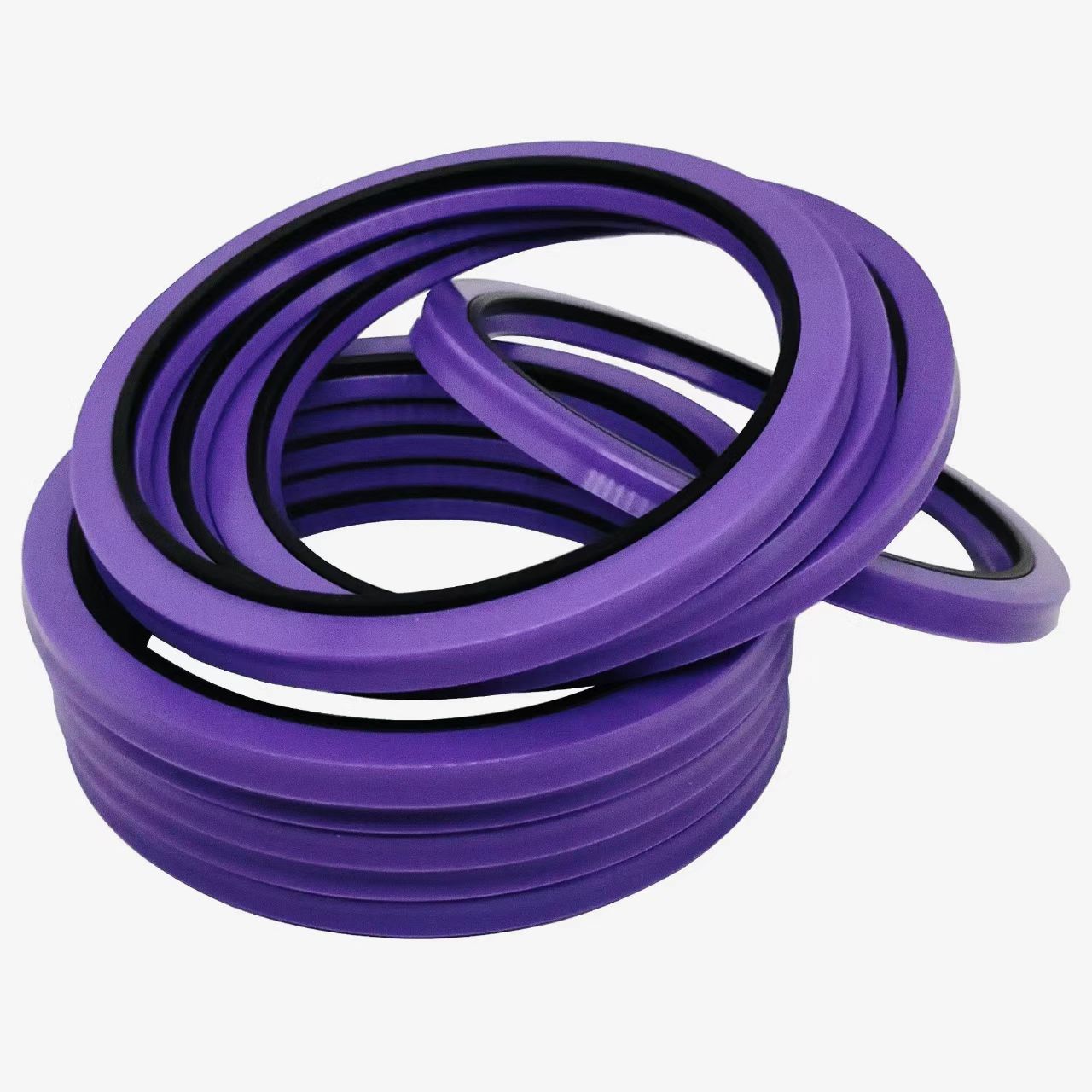
Picture a road project in East Africa. The contractor is Chinese, the excavators are a mix of SANY and Komatsu, the nearest Cat dealer is four hours away. A seal blew on day eleven. The breaker is a European import. The seal kit took nine days to arrive from the regional depot. Nine days of a stopped machine on a contract with penalty clauses. That's the real cost calculation that matters on an overseas site — not the unit price on the purchase order.
The Parts Availability Problem
Imported breakers from Europe and Japan carry strong performance reputations, and those reputations are earned. What they don't carry to remote sites is a local supply chain. OEM-only replacement parts for Sandvik or Furukawa models flow through authorised depots, and in markets across Africa, South America, or Southeast Asia, those depots are thin on the ground.
Chinese brands like BEILITE use standardised piston and bushing dimensions that allow sourcing from multiple suppliers. That design choice looks minor in a catalogue. It looks significant when a chisel holder fails at kilometre 47 of a highway cut and the operator has two hours of daylight left.
Where the Performance Gap Stands Now
For breakers with chisel diameters below 175mm, domestic brands have closed the technical gap. Chinese manufacturers now use the same vacuum heat-treated alloy steels, the same CNC machining tolerances, and the same seal materials — NOK, Parker — as their imported counterparts. A properly specced BEILITE BLT running at 200–220 bar on matched hydraulics produces the same granite penetration data as a European unit in the same weight class. The price difference — 30–60% lower factory-direct — is now a pure cost advantage, not a quality trade-off.
Above 175mm, imports still hold ground in established ultra-heavy models. BEILITE's BLTB-280 winning the 2025 World Demolition Awards Innovation category signals the direction, but that boundary still exists. For most overseas projects — infrastructure, road construction, secondary mining — it's the sub-175mm class that does the daily work.
Overseas Site Decision Comparison
Decision Point |
Domestic (Chinese) Brand |
European / Japanese Import |
Spare parts on site |
Standardised dims; multi-supplier options; faster re-stock |
OEM-only; regional depot dependency |
Initial cost |
30–60% lower factory-direct |
Higher; dealer channel adds margin |
Performance sub-175mm |
Fully competitive; identical steel grades and heat treatment |
Strong but no longer a clear gap |
Extreme heavy class 175mm |
Closing rapidly; BLTB-280 won 2025 World Demolition Award |
Still leads in established ultra-heavy models |
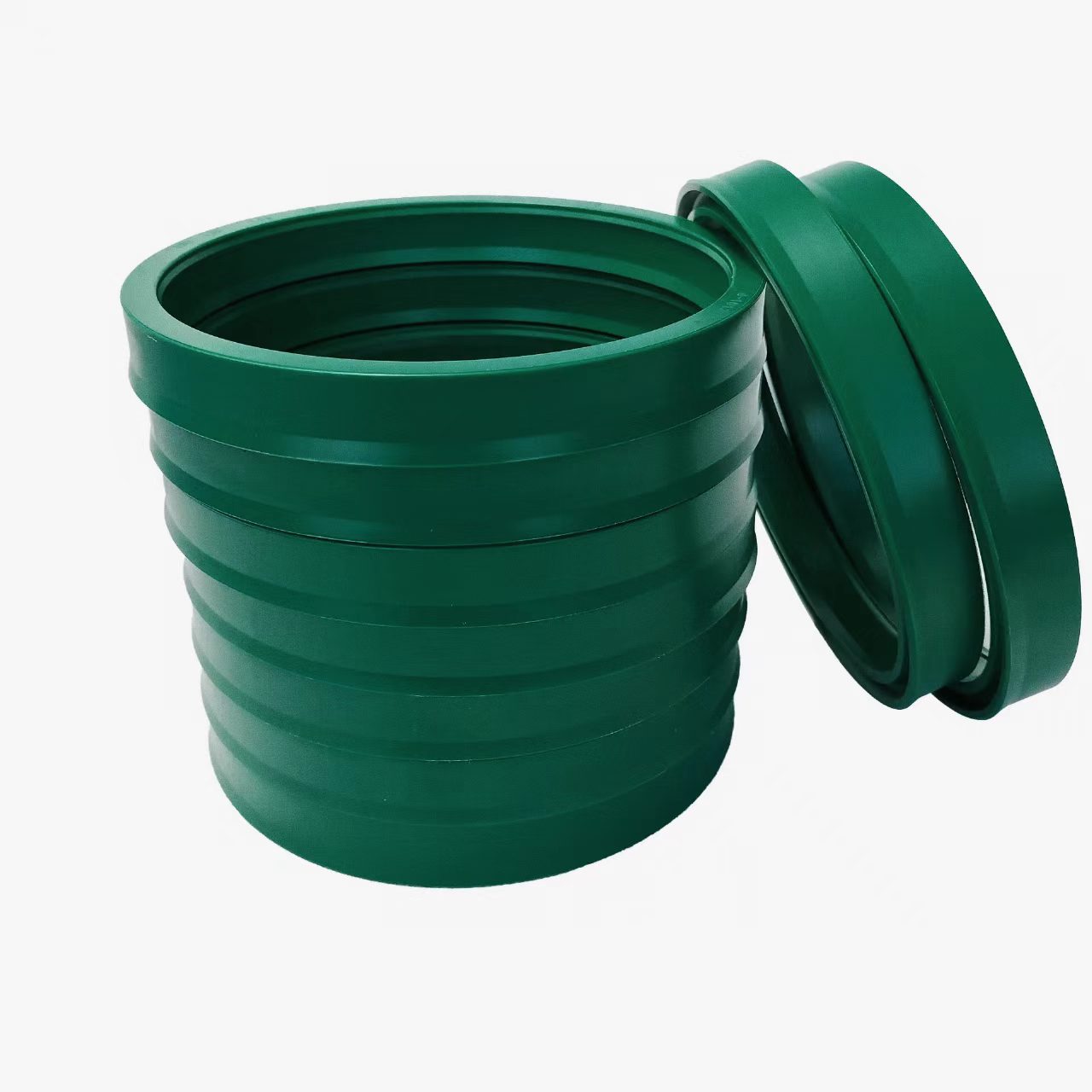
HOVOO and HOUFU supply seal kits for both domestic and imported platforms with the same material standards. When a seal blows on a remote site, the nine-day wait comes from supplier geography, not seal quality. Having a local parts relationship changes that calculation. Details at https://www.hovooseal.com/
domestic vs imported breaker overseas | Chinese hydraulic breaker vs European | BEILITE overseas construction | hydraulic hammer parts supply remote site | HOVOO | HOUFU | hovooseal.com


