

 EN
EN
 AR
AR CS
CS DA
DA NL
NL FI
FI FR
FR DE
DE EL
EL IT
IT JA
JA KO
KO NO
NO PL
PL PT
PT RO
RO RU
RU ES
ES SV
SV TL
TL IW
IW ID
ID LV
LV SR
SR SK
SK VI
VI HU
HU MT
MT TH
TH TR
TR FA
FA MS
MS GA
GA CY
CY IS
IS KA
KA UR
UR LA
LA TA
TA MY
MY
The lubrication requirements of a hydraulic rock drill are not homogeneous across the drifter body—different zones need different lubricants, delivered at different rates, through separate circuits. Treating the lubrication system as 'add oil here' misses the structural reality. There are at minimum three distinct lubrication zones in a typical drifter, each with different compound requirements, different failure modes, and different consequences when they're neglected.
Zone separation is the starting point for a maintenance program that actually works. Mixing up the circuits—putting shank lubrication oil in the hydraulic circuit, or vice versa—damages precision components within hours. The costs are disproportionate to the simplicity of the mistake.
Zone 1: The Percussion (Hydraulic) Circuit
The percussion piston, reversing valve, accumulator, and related bore surfaces are lubricated by the hydraulic oil itself—specifically the thin film that forms at the clearances between moving surfaces. This works because hydraulic oil has controlled viscosity, anti-wear additives, and is filtered to remove particles before they reach the bore clearances. The lubrication quality in this zone is therefore determined entirely by the cleanliness, viscosity grade, and change interval of the hydraulic oil.
Hydraulic oil in the percussion circuit should be maintained at ISO cleanliness code 16/14/11 or better. Most sites run dirtier than this. The practical maintenance actions: change the hydraulic oil at the manufacturer's specified interval (typically 500–1,000 hours for drifter hydraulic oil, shorter in contaminated environments), change the filter element before it reaches bypass condition (which means changing it on a schedule, not waiting for a visual indicator), and take oil samples at 200h and 500h for particle count analysis. A particle count increase between samples that exceeds the normal wear baseline indicates a component is degrading—usually a bore surface or valve clearance—and warrants investigation before the oil turns milky or cloudy.
Zone 2: Shank Lubrication
The shank adapter and its interfaces with the guide bushing, rotation chuck, and coupling splines require dedicated lubrication separate from the hydraulic circuit. The hydraulic oil that drives the piston is not formulated for the contact pressures and sliding velocities at the shank-spline interface—it lacks the EP (extreme pressure) additives and tackifiers that prevent metal-to-metal contact under the impact-plus-torque combined load.
Three delivery methods are used in current drifters: air-mist atomization (compressed air carries rock drill oil as a mist through the shank housing, consuming 600–1,200 g/hr), grease injection via a metered system (automated or manual shot injection at defined intervals), and Sandvik's circulating shank lubrication (CSL) system that routes filtered hydraulic return oil through the shank housing and back to the tank rather than exhausting it. CSL reduces shank lubrication oil consumption by up to 70% and eliminates the separate reservoir management that air-mist systems require.
Rock drill shank oils must be ISO VG 100 or equivalent with high-film-strength additives and tackifiers. These compounds maintain a film on the shank spline surfaces between each percussion cycle—standard hydraulic oil breaks down at the contact pressure and sheds from the metal surface under the centrifugal force of rotation. Substituting hydraulic oil for shank lube oil because it's available and the correct compound isn't on-site produces spline galling within hours in hard rock drilling conditions.
Zone 3: Rotation Motor and Gear Train
The rotation motor—hydraulic vane or gear motor—is lubricated by the hydraulic oil in the rotation circuit. This is a separate circuit from the percussion circuit in most drifters, with its own pressure setting and return line. The main maintenance action is checking the drain flow rate at the motor drain port: elevated drain flow (above spec) indicates internal motor seal wear or gear clearance increase, meaning the motor is bypassing oil rather than converting it to rotation.
Rotation motor bearing failure—when it occurs—produces a characteristic sound: a dry, metallic grinding noise at the rotation motor end of the drifter rather than the percussion end. This distinguishes it from percussion bore noise during normal high-pressure operation. The diagnostic step is to run the drifter with percussion off and rotation only, listening for the grinding. Bearings that are failing typically show this symptom before they produce visible heat or oil bypass.
Lubrication Fault Diagnosis Table
Symptom |
Zone Affected |
Likely Cause |
Field Test |
Fix |
Rotation torque rises gradually |
Shank zone |
Shank lube depleted or wrong oil |
Check lube level/type |
Replenish correct VG100 EP oil |
Spline damage on shank |
Shank zone |
Lube starvation or contaminated water |
Inspect spline surface |
Replace shank + correct lube circuit |
Milky hydraulic oil |
Percussion circuit |
Flushing water ingress |
Oil sample — emulsion visible |
Change oil + replace flushing seal |
Percussion energy drops, oil warm |
Percussion circuit |
Seal bypass — oil degraded |
Return oil temp 80°C |
Change oil + replace percussion kit |
Grinding from rotation motor |
Rotation motor |
Bearing wear |
Run rotation-only, listen |
Replace rotation motor bearings |
Drain flow above spec |
Rotation motor |
Internal motor seal worn |
Flow meter at drain port |
Replace motor or motor seals |
Oil film on chuck exterior |
Shank zone drain |
Drain line blocked — oil backing up |
Check drain line clear |
Clear drain; inspect housing seals |
Maintenance Integration: Aligning Oil Changes with Seal Changes
The most efficient maintenance schedule aligns oil changes, filter element changes, and seal kit changes into single service events rather than separate intrusions. An oil change at 500 hours that's done separately from the 500-hour seal inspection means two circuit openings, two opportunities for contamination ingress, and two maintenance team dispatches. Aligning them reduces total maintenance time by 30–40% while also eliminating the quality risk of an opened circuit that isn't immediately closed and refilled.
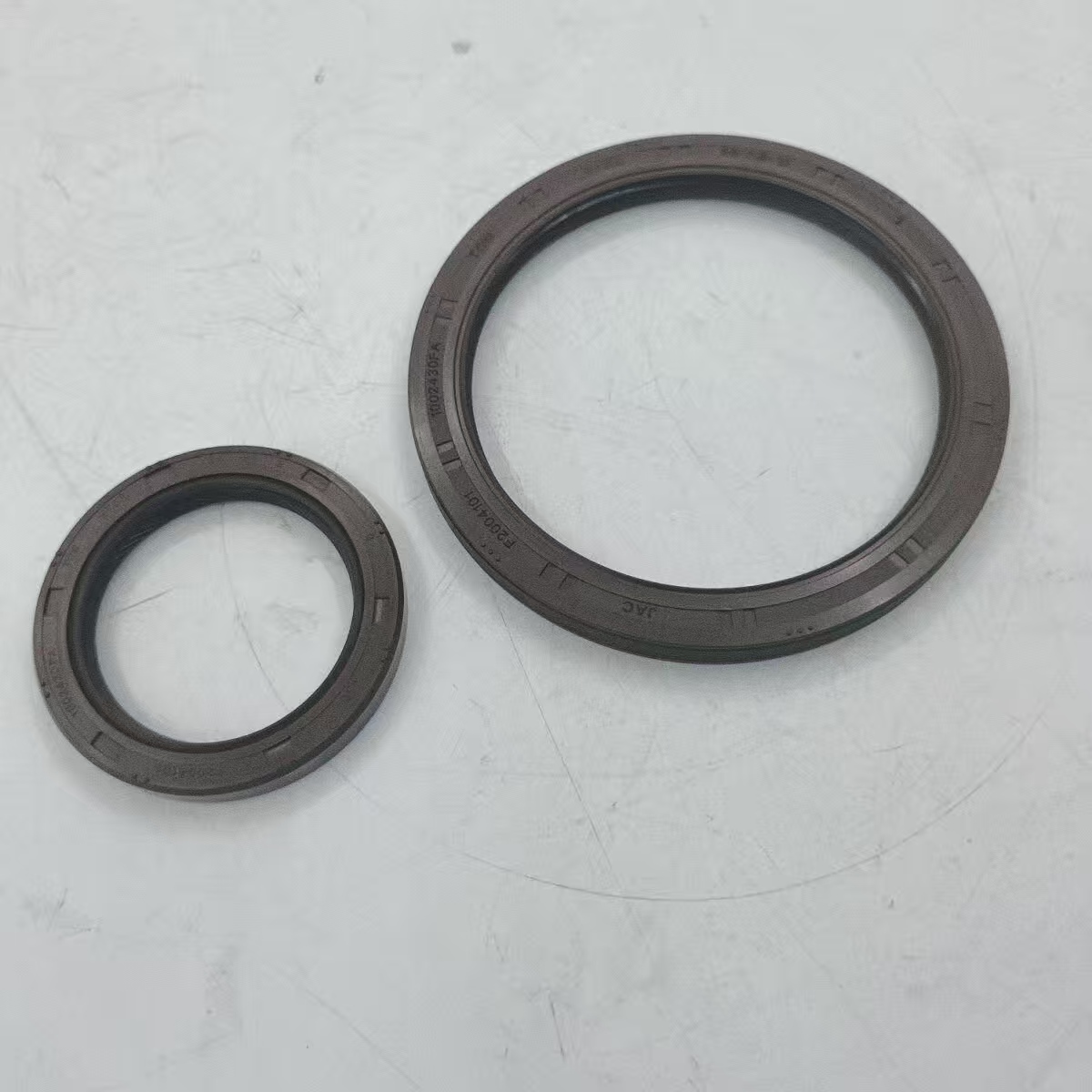
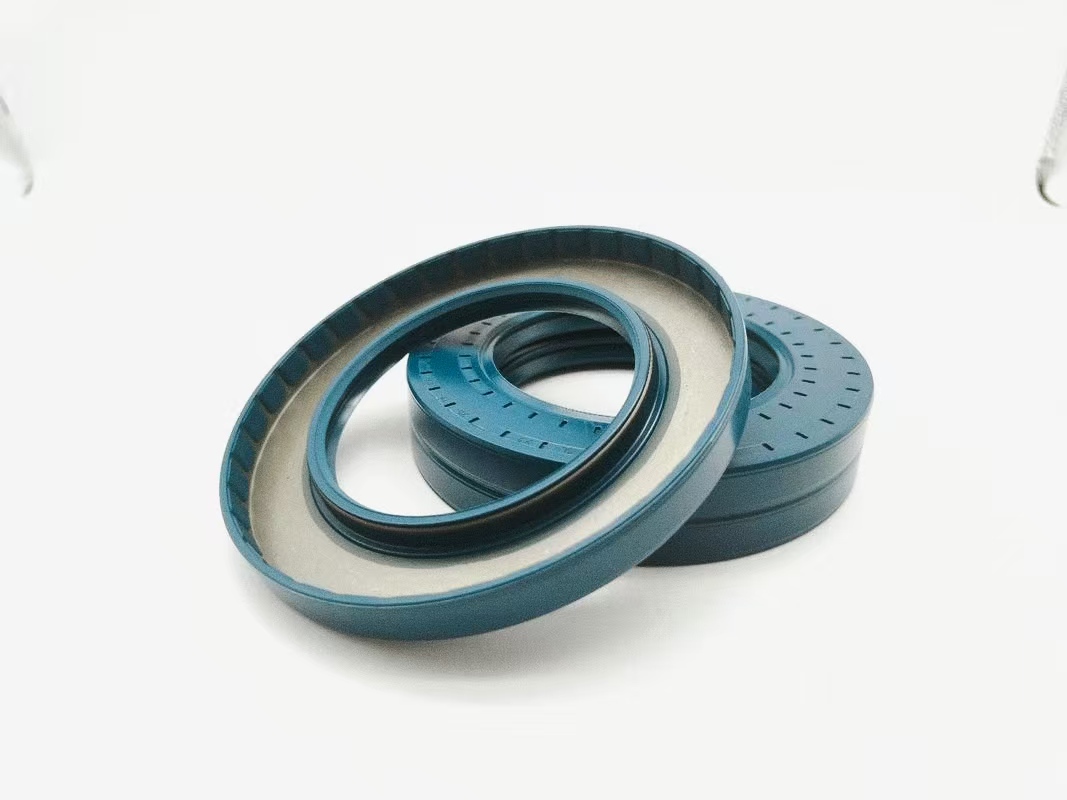
HOVOO supplies seal kits for all major drifter brands across all three lubrication zones—percussion seals, flushing box seals, and rotation housing seals—as complete kits or zone-specific subsets depending on the service requirement. Ordering the seal kit alongside the scheduled oil change creates the conditions for integrated maintenance rather than sequential single-point interventions. Full references at hovooseal.com.


