

 EN
EN
 AR
AR CS
CS DA
DA NL
NL FI
FI FR
FR DE
DE EL
EL IT
IT JA
JA KO
KO NO
NO PL
PL PT
PT RO
RO RU
RU ES
ES SV
SV TL
TL IW
IW ID
ID LV
LV SR
SR SK
SK VI
VI HU
HU MT
MT TH
TH TR
TR FA
FA MS
MS GA
GA CY
CY IS
IS KA
KA UR
UR LA
LA TA
TA MY
MY
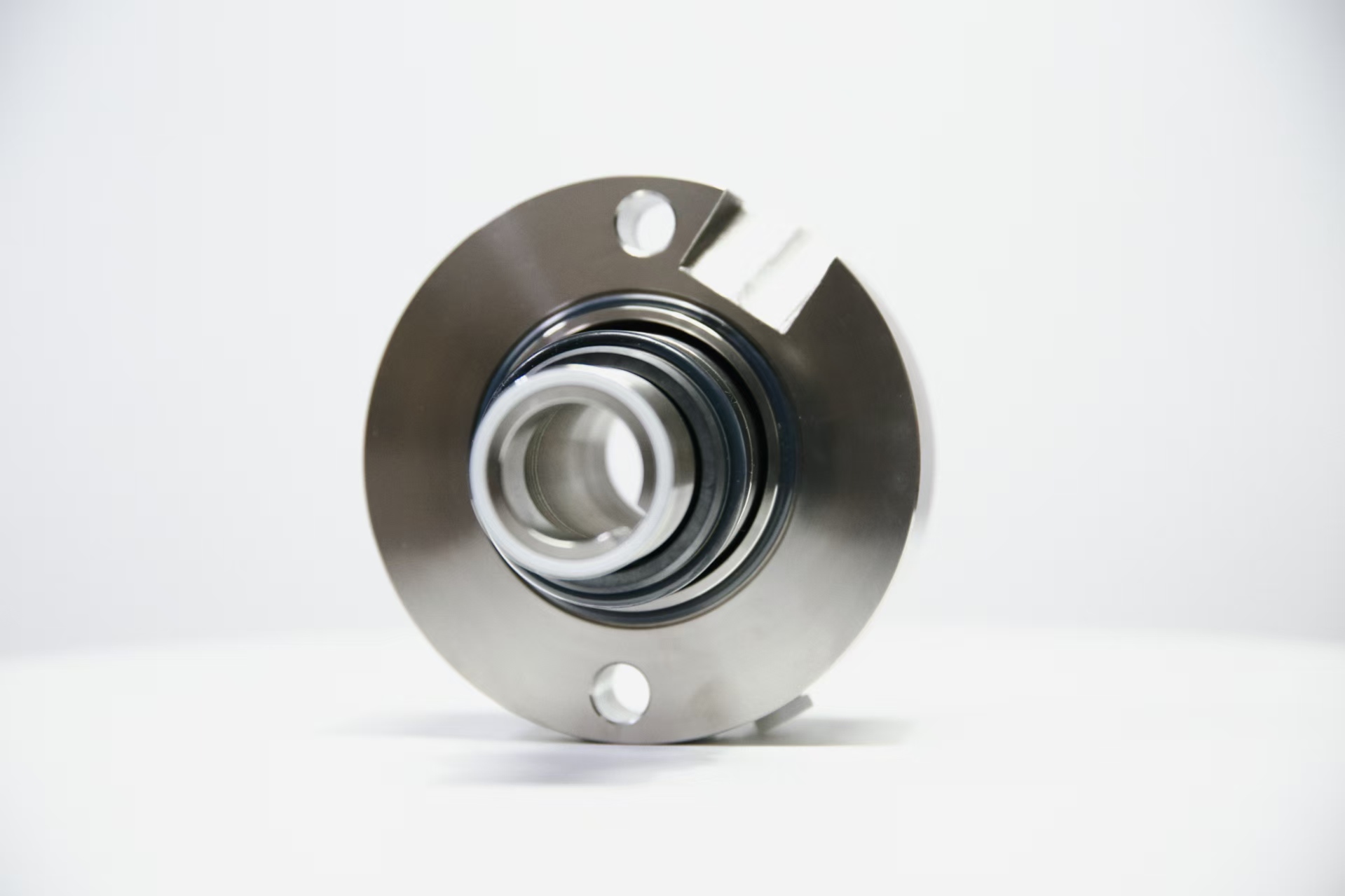
Relief valves and check valves share a circuit location in the percussion hydraulic system, but they do opposite jobs and fail in opposite ways. The relief valve limits maximum pressure—it opens when pressure exceeds its setpoint to protect the circuit from overload. The check valve maintains pressure in one direction—it closes to prevent backflow when pressure differentials reverse. Confusing which type of valve is causing a specific fault leads directly to the wrong repair. A relief valve opened too easily produces low percussion energy; a check valve that won't close produces the same symptom through a completely different mechanism.
The diagnostic starting point is understanding which valve sits where in the circuit and what observable consequence its failure produces. From there, distinguishing between the two types by their failure pattern becomes the path to the correct repair rather than systematic parts replacement.
Relief Valve: Pressure Ceiling and Its Drift
The percussion circuit relief valve protects the piston bore, accumulator, and valve block from pressure spikes that exceed design limits. Its setpoint is typically 10–15% above the normal operating percussion pressure—so a drifter running at 180 bar operating pressure has a relief valve set at approximately 200–207 bar. When the piston strikes the shank and the reflected wave returns, pressure briefly spikes in the rear chamber; the relief valve must not open at this point (or it wastes energy through bypass) but must open if a genuine overpressure event occurs (blank firing, feed system jam).
Relief valve setpoint drift is the most common relief valve fault in percussion circuits. Contamination from degraded hydraulic oil causes the poppet and seat to seal inconsistently; over 500–600 operating hours, the effective setpoint creeps downward as partial contamination holds the poppet slightly open below the nominal setpoint. A drifter that was producing 180 bar and delivering correct percussion energy at commissioning may be producing 165 bar six months later without any obvious fault indication—the gauge still shows 'normal' because the gauge is measuring the percussion circuit pressure, not the relief valve's effective setpoint.
Diagnosing relief valve setpoint drift requires a pressure measurement at the percussion circuit with the accumulator isolated—not the usual running-gauge check, but a static pressure test against the relief valve. Set input flow low enough that the relief valve is the limiting element; measure the pressure at which flow stops increasing. If that pressure is below the specified setpoint by more than 5%, the relief valve needs resetting or replacement.
Check Valve: Backflow and Its Consequences
The percussion circuit check valve—sitting between the hydraulic supply line and the accumulator oil port—prevents stored accumulator oil from draining back into the supply circuit when percussion pressure drops momentarily during the reversing-valve cycle. When this valve fails to close fully, the accumulator discharges during each valve reversal rather than holding its stored volume until the next power stroke. The result: the power stroke starts with less stored energy available from the accumulator, percussion becomes erratic, and the saw-tooth pressure fluctuation on the gauge is the diagnostic signature.
The flushing circuit check valve prevents percussion-side oil from entering the flushing water line when flushing pressure momentarily drops below percussion return pressure. When this valve fails, hydraulic oil contaminates the flushing circuit—visible as oil-in-water appearance of the flushing return. This is commonly misdiagnosed as flushing box seal failure because both produce oily flushing water. The distinction: flushing box seal failure produces milky hydraulic oil in the drifter drain sample (water going into oil); flushing circuit check valve failure produces oily flushing water with clean hydraulic oil in the drain sample (oil going into water).
Fault vs. Valve Type: Quick Distinction Guide
Symptom |
Relief Valve Fault |
Check Valve Fault |
Distinguishing Test |
Low percussion energy |
Relief opens below setpoint |
Accumulator check valve leaks back |
Isolate accumulator: if energy recovers, check valve; if not, relief valve |
Saw-tooth pressure gauge |
Rapid cycling if relief cracking |
Accumulator discharge between cycles |
Check N₂ pre-charge; if OK, it's the check valve |
Oily flushing return |
Not related |
Flushing circuit check valve open |
Oil in drain sample milky = seal failure; clean = check valve |
Blank-fire pressure spike |
Relief valve should open — no damage |
Not related |
Check relief opens at setpoint, not below |
No percussion at full pressure |
Check valve blocked on supply line |
Check valve stuck closed = no flow |
Apply max pressure; listen for any piston movement |
Circuit pressure doesn't hold |
Not related |
Return-line check valve leaking |
Pressure decay rate: constant = check valve; decelerating = piston seal |
Relief Valve Replacement: Setting the Correct Pressure
Replacing a percussion relief valve without verifying the setpoint after installation produces the same problem a few months later if the new valve wasn't pre-set to specification. The correct procedure: after installation, apply a controlled flow to the percussion circuit with the accumulator isolated; slowly increase pressure until flow stops increasing. Record that pressure. Compare to the specification (typically 200–210 bar for a 180-bar operating circuit). Adjust the relief valve screw if adjustable, or source a replacement pre-set to specification if it's a fixed-setpoint type.
The lock nut on the relief valve adjustment screw must be fully tightened after any setpoint adjustment. A loose lock nut allows the screw to rotate under percussion vibration, causing the setpoint to drift between service intervals. This is the most common cause of relief valve setpoint drift on drifters that have had the relief valve serviced recently—the adjustment was made correctly, but the lock nut wasn't fully engaged.
Check Valve Replacement: Cleaning Before Installing
The main reason check valves fail quickly after replacement is contamination in the circuit upstream of the valve. Particles that were too large to pass through the failed valve are sitting in the upstream line and will reach the new valve on the first pressure cycle. Before installing a replacement check valve, flush the connecting circuit with clean oil—not just the manifold block but the full upstream line length. The flush removes particles that would otherwise embed in the new valve seat within the first hour of operation.
Check valve seat material matters in percussion circuits. Steel seats are standard and adequate in clean, well-filtered oil. In circuits with documented contamination history or with abrasive flushing water ingress (identified by milky oil events), nitrile-seated valves tolerate particle impingement better before they develop a permanent leak path. After any flushing water contamination event, replace both the check valve and the percussion seal kit simultaneously—the contamination that damaged the check valve has also been running through the percussion bore seals. HOVOO supplies percussion seal kits for all major drifter platforms to complete the paired replacement in one service event. Full model references at hovooseal.com.


