

 EN
EN
 AR
AR CS
CS DA
DA NL
NL FI
FI FR
FR DE
DE EL
EL IT
IT JA
JA KO
KO NO
NO PL
PL PT
PT RO
RO RU
RU ES
ES SV
SV TL
TL IW
IW ID
ID LV
LV SR
SR SK
SK VI
VI HU
HU MT
MT TH
TH TR
TR FA
FA MS
MS GA
GA CY
CY IS
IS KA
KA UR
UR LA
LA TA
TA MY
MY
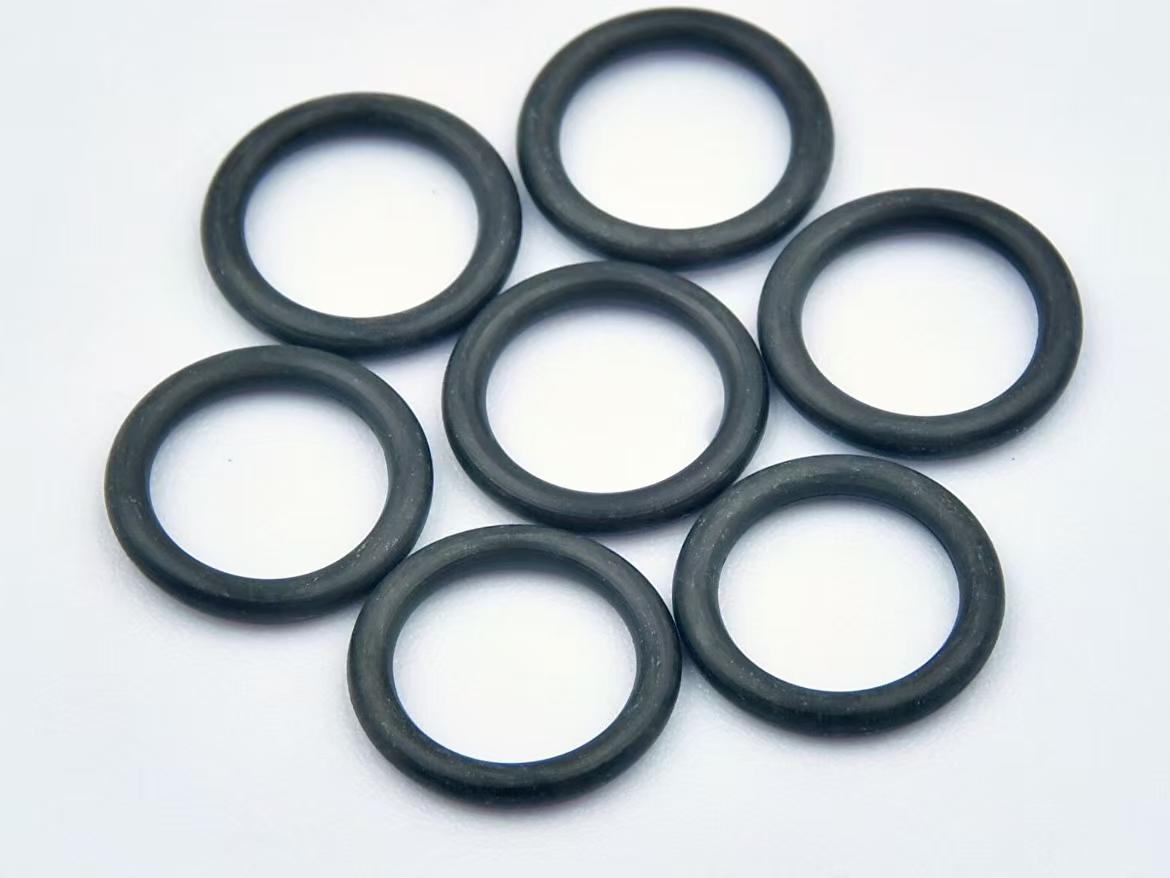
EPDM (ethylene-propylene-diene monomer rubber) exhibits exceptional resistance to ozone, weathering, and aging due to its saturated main chain structure. It demonstrates excellent resistance to polar media such as hot water, steam, acids, bases, and phosphoric ester hydraulic oils, but it undergoes significant swelling in petroleum-based oils and fuels. Its standard operating temperature range is approximately –50°C to +150°C, making it an ideal choice for automotive cooling systems, outdoor tubing, and water treatment equipment.
When selecting an EPDM O-ring, a systematic evaluation must be conducted: 1) Medium compatibility: Confirm the type of fluid (especially pH value, oxidative properties); 2) Temperature profile: Include continuous operating temperatures and thermal cycle peaks; 3) Pressure and dynamic behavior: Design differences between static seals and reciprocating/rotary seals; 4) Standard compliance: The ‘AA’ or ‘BA’ classification codes for EPDM in ASTM D2000 define its basic performance grade.
The typical physical properties of EPDM include: tensile strength of 7-21 MPa, elongation at break of 100-600%, and a hardness range typically ranging from 40 to 90 Shore A. The choice of hardness depends on the application: lower hardness (40-60 Shore A) is used for static seals and low-pressure scenarios to provide better adhesion; higher hardness (70-90 Shore A) is used for dynamic seals or high-pressure environments where there is a risk of extrusion. Its excellent resistance to compression-induced permanent deformation (where high-quality compounds can maintain less than 25% after testing at 150°C × 70 hours) is crucial for reliable performance in thermal cycling applications.
Example of EPDM’s tolerance for specific media (based on volume change rate, test standard ASTM D471):
· Water (100°C, 70 hours): +2% to +8%
· Phosphoric acid (10%, room temperature): +1% to +5%
· Sodium hydroxide (20%, 70°C): +0.5% to +4%
· Acetone (room temperature): Not recommended (swelling 30%, severe degradation).
· Petroleum-based hydraulic fluids (HM, 100°C): Not compatible (swelling 50%, significant reduction in strength).
EPDM’s exceptional weather resistance has enabled it to pass numerous accelerated aging tests: after 100°C × 70 hours of heat-air aging, the change in tensile strength is typically less than ±20%; in ASTM D1149’s ozone test (50 pphm, 40°C, 20% elongation), high-quality EPDM formulations can achieve no cracks. According to industry standards, ISO 1629 labels it as ‘EPM’ or ‘EPDM’, while SAE J200/ASTM D2000 defines ‘AA’ or ‘BA’ linear types (such as AA615) based on their basic thermal stability, oil resistance (limited to polar oils), and physical properties requirements.
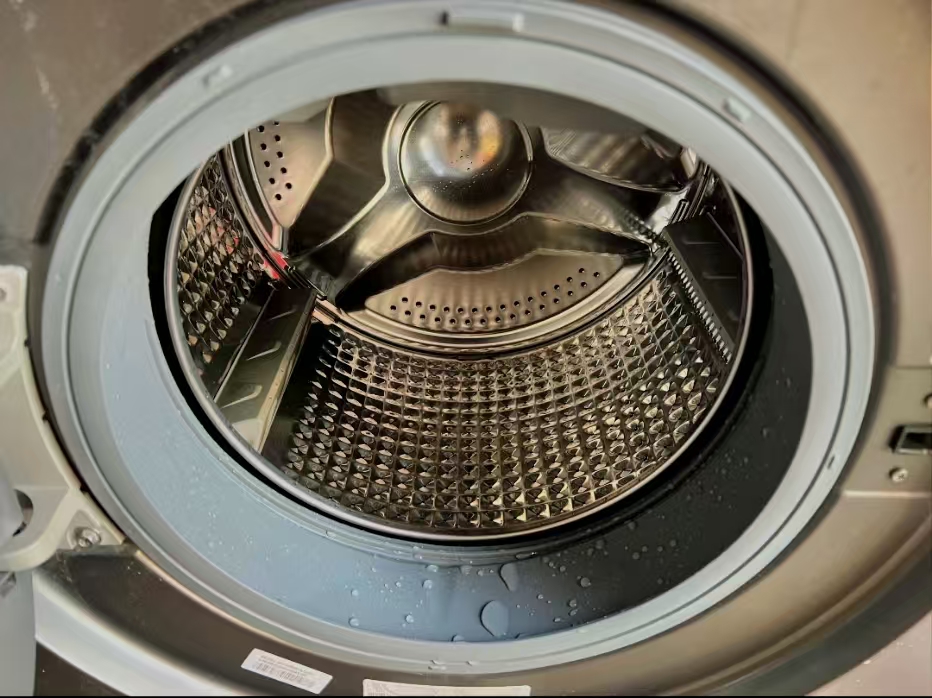
EPDM seals are widely used in: heating and air conditioning systems (resistant to hot water/refrigerants), automotive braking systems (resistant to brake fluid DOT 3/4), washer door seals (resistant to detergents and ozone), low-pressure steam valves (resistant to heat-oxidation aging), and solar inverter housing seals (resistant to humid environments). They are not suitable for any applications involving contact with mineral oils, fuels, or greases.
In the application of sealing gaskets for plate heat exchangers, EPDM is widely used due to its resistance to hot water and to water scale cleaners (acidic/alkaline). The typical failure mode is not wear but rather a decrease in sealing force caused by thermal stress relaxation or early brittleization due to chlorine residues (the “chlorine-induced brittleness” phenomenon). Therefore, when selecting a product, attention should be given not only to standard performance but also to the compound’s heat-resistant aging formulation and compatibility testing reports for cleaners.


