

 EN
EN
 AR
AR CS
CS DA
DA NL
NL FI
FI FR
FR DE
DE EL
EL IT
IT JA
JA KO
KO NO
NO PL
PL PT
PT RO
RO RU
RU ES
ES SV
SV TL
TL IW
IW ID
ID LV
LV SR
SR SK
SK VI
VI HU
HU MT
MT TH
TH TR
TR FA
FA MS
MS GA
GA CY
CY IS
IS KA
KA UR
UR LA
LA TA
TA MY
MY
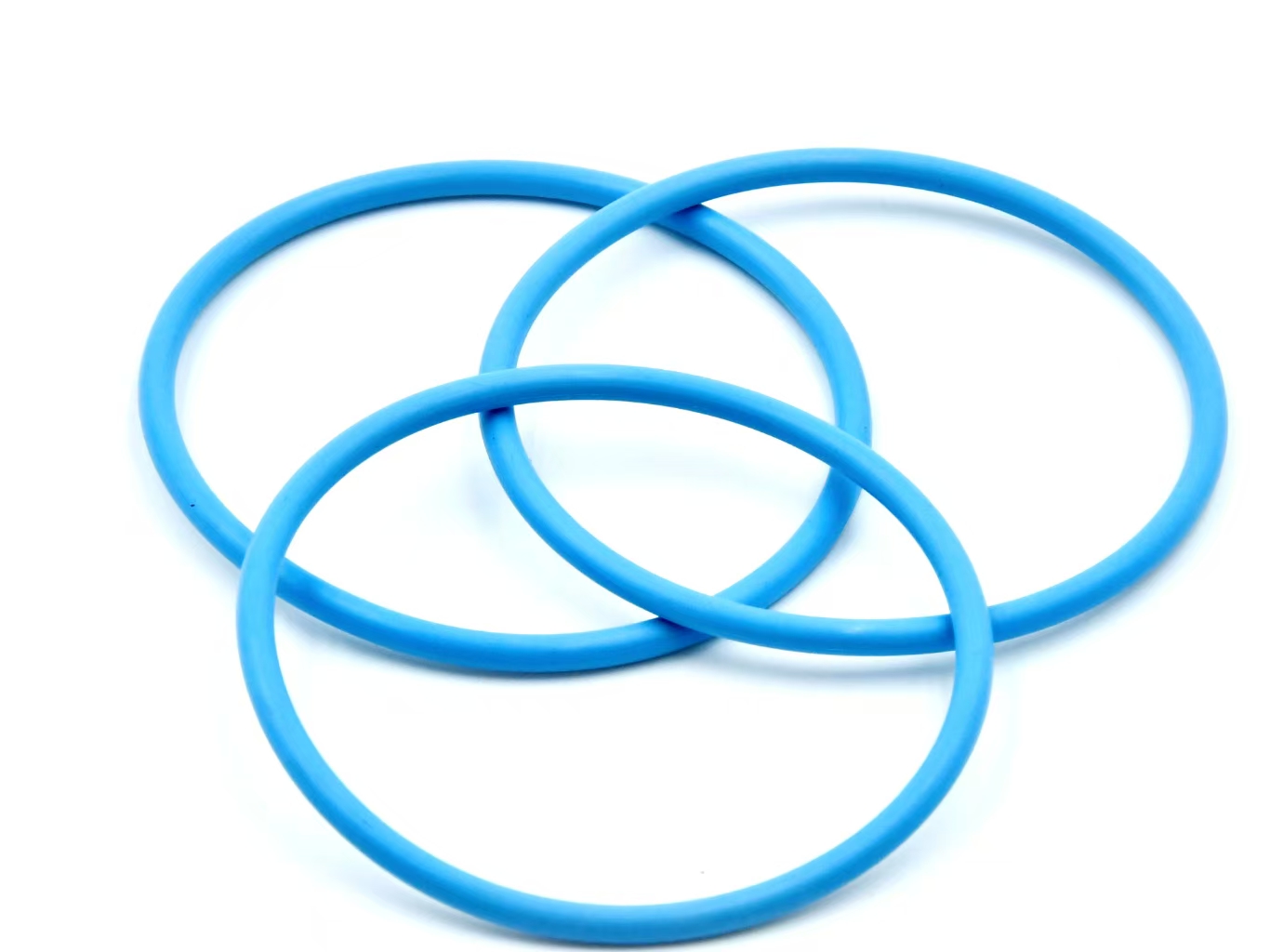
Fluorinated rubber (FKM) is categorized into various types based on its monomer composition and fluorine content. FKM-A (perfluoro-vinyl-hexafluoropropylene copolymer) offers extensive resistance to chemicals and high temperatures (approximately –20°C to +200°C); FKM-B (containing tetrafluoroethylene) exhibits improved alkalinity resistance; FKM-F (low-temperature flexibility) enhances performance at low temperatures. The FKM-GLT series, with higher fluorine content, significantly improves elasticity while maintaining chemical resistance.
The depth of performance of FKM depends on its monomer composition.
1. FKM-A (perfluoro-vinyl/hexafluoropropylene type): Contains approximately 66% fluorine. It is the most versatile type, offering a balance of heat resistance, oil resistance, and chemical resistance.
2. FKM-B (perfluoro-vinyl/tetrafluoro-vinyl/hexafluoro-propylene type): Contains approximately 68-69% fluorine. It exhibits superior heat resistance and chemical resistance (particularly acid and peroxide resistance) compared to type A.
3. FKM-F (perfluoro-methyl-vinyl ether type): Contains approximately 70% fluorine, significantly improving its low-temperature performance (the glass transition temperature can drop as low as –25°C), while maintaining its high-temperature performance.
4. FKM-GLT (peroxide vulcanization, low-temperature flexibility type): Utilizing a peroxide vulcanization system, this material not only enhances its performance in terms of high-temperature compression permanent deformation but also exhibits improved resistance to acids, steam, and low temperatures.
The Compression Set of FKM under high temperatures is a crucial indicator of its sealing durability. According to ASTM D395 Method B testing, high-quality FKM (such as Viton® ETP}) can maintain a compression set below 20% after 200°C × 70 hours of aging, while generic FKM may exhibit a compression set of around 40-50%. In terms of chemical resistance, test data shows that its volume expansion in ASTM #3 oil (150°C × 70 h) is typically <5%. For use with methanol/gasoline blends, special formulations (such as FKM-GLT-S) are required to resist swelling and brittleness.
FKM is renowned for its exceptional heat resistance and chemical resistance in sealing materials. Its continuous operating temperature can reach 230°C, and it can withstand short-term peak temperatures above 250°C. It exhibits excellent resistance to most mineral oils, synthetic lubricants (such as esters), fuels (including ethanol-containing gasoline), numerous acids, and hydrocarbons. However, its performance may degrade in hot water, steam, strong bases (such as ammonia), and certain polar solvents.
To ensure the reliability of FKM seals in critical applications, they must meet specific industry standards.
· Aerospace: AMS 7277 provides stringent specifications for the dimensional tolerances, physical properties, and fluid resistance requirements of O-rings.
· Automotive: SAE J2236 and ISO 1629 provide specifications for classification and labeling of materials.
· Contact with food and pharmaceuticals: Must comply with FDA 21 CFR 177.2600 and EU 10/2011 regulations, using polymers and additives that meet the required standards.
In quality control, in addition to routine dimensional inspections, Differential Scanning Calorimetry (DSC) is used to determine the glass transition temperature and crystallinity, while Thermo-Gravimetric Analysis (TGA) is employed to assess the onset of thermal decomposition. These advanced techniques are essential for ensuring the consistency of material batches.
FKM is the preferred material for demanding applications requiring high reliability: automotive engine gaskets and fuel systems, aerospace fuel and hydraulic piping, shaft seals for chemical process pumps (for corrosive media), and lubrication system seals for turbines in the energy sector. When selecting FKM, it is essential to first confirm the material grade according to the SAE J2236 or AMS 7277 standards and then cross-check the specific fluid’s volume expansion rate (typically required to be <10%) using a medium compatibility chart.


