

 EN
EN
 AR
AR CS
CS DA
DA NL
NL FI
FI FR
FR DE
DE EL
EL IT
IT JA
JA KO
KO NO
NO PL
PL PT
PT RO
RO RU
RU ES
ES SV
SV TL
TL IW
IW ID
ID LV
LV SR
SR SK
SK VI
VI HU
HU MT
MT TH
TH TR
TR FA
FA MS
MS GA
GA CY
CY IS
IS KA
KA UR
UR LA
LA TA
TA MY
MY
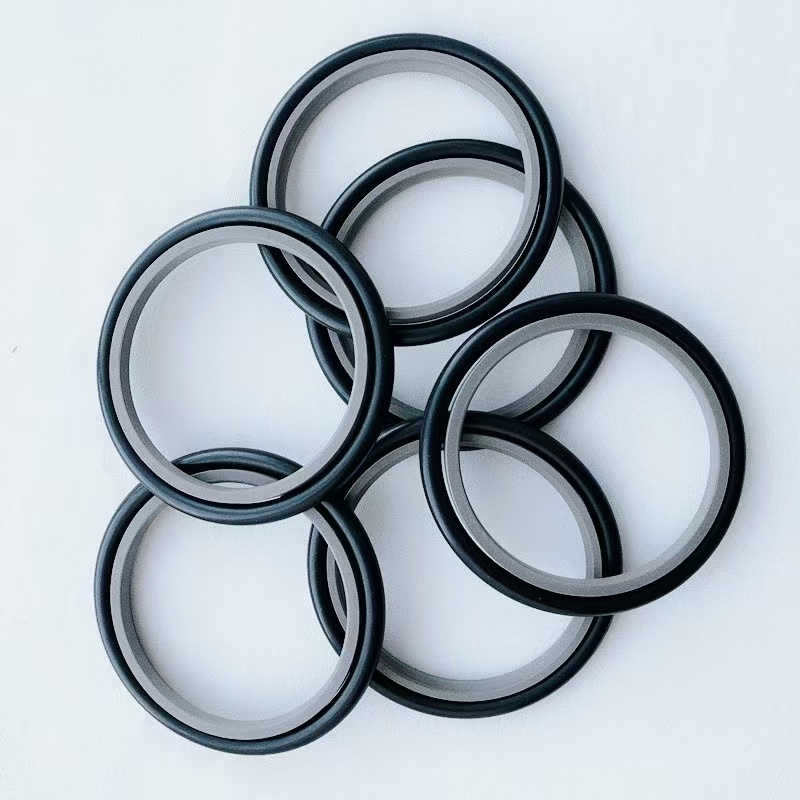
The fixed versus variable displacement pump question comes up early in any hydraulic system design conversation, and the answer is almost always the same: it depends on the load profile. That is not a dodge — it is the actual answer, and understanding why requires a clear picture of how each design handles the mismatch between available pump output and actual circuit demand.
Fixed Displacement Pump: Strength and Limitation
A fixed displacement pump delivers a volume of fluid per shaft revolution that is set by its geometry and cannot be changed during operation. At constant shaft speed, it produces constant flow. Simple, reliable, inexpensive to manufacture and repair. The limitation appears when system demand drops below peak — the pump still produces full flow, and the excess has to go somewhere. In most systems it goes over the relief valve, converting hydraulic energy to heat. The pump keeps working; the work is wasted.
For systems that run at or near full load the majority of the time — certain industrial presses, constant-speed conveyor drives — the fixed displacement pump is genuinely competitive. The efficiency loss from occasional light-load bypass is real but not dominant. The simplicity and lower cost are advantages that count.
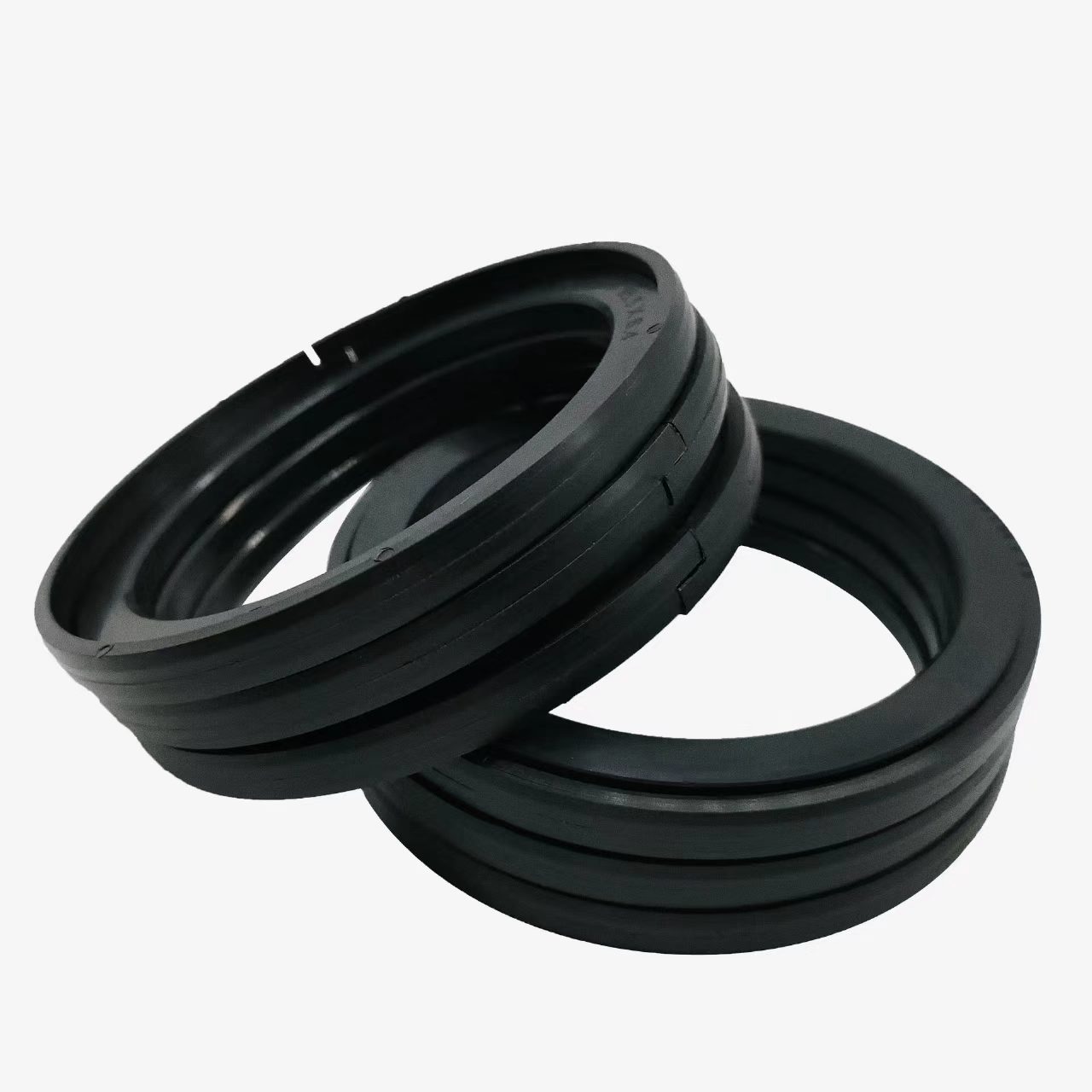
Variable Displacement Pump: Where the Efficiency Gain Lives
A variable displacement pump reduces its stroke — and therefore its output — when system demand falls. Less flow produced means less input power required. In applications with variable duty cycles, the power savings relative to fixed displacement are substantial. The savings are largest during partial-load and standby phases, which in many real systems account for 50 to 70% of total operating time.
Load Condition |
Fixed Disp. Power Draw |
Variable Disp. Power Draw |
Saving |
100% load |
100% |
100% |
0% |
75% load |
~95% |
~75% |
~20% |
50% load |
~90% |
~52% |
~38% |
25% load |
~85% |
~30% |
~55% |
Standby (pressure hold) |
~80% |
~8% |
~72% |
The Total Cost of Ownership Calculation
Variable displacement pumps cost more upfront. Over a three to five year operating horizon that cost difference is typically recovered through energy savings, often comfortably. The crossover point depends on operating hours, electricity price, and how variable the load profile actually is. Applications with genuinely flat, near-full-load profiles may never reach the crossover.
HOVOO / HOUFU supplies seal kits for both fixed and variable displacement pump platforms from Danfoss and other major manufacturers. Seal maintenance is the low-cost intervention that preserves whatever efficiency advantage the pump design delivers. Visit hovooseal.com.
Source: www.hovooseal.com


