

 EN
EN
 AR
AR CS
CS DA
DA NL
NL FI
FI FR
FR DE
DE EL
EL IT
IT JA
JA KO
KO NO
NO PL
PL PT
PT RO
RO RU
RU ES
ES SV
SV TL
TL IW
IW ID
ID LV
LV SR
SR SK
SK VI
VI HU
HU MT
MT TH
TH TR
TR FA
FA MS
MS GA
GA CY
CY IS
IS KA
KA UR
UR LA
LA TA
TA MY
MY
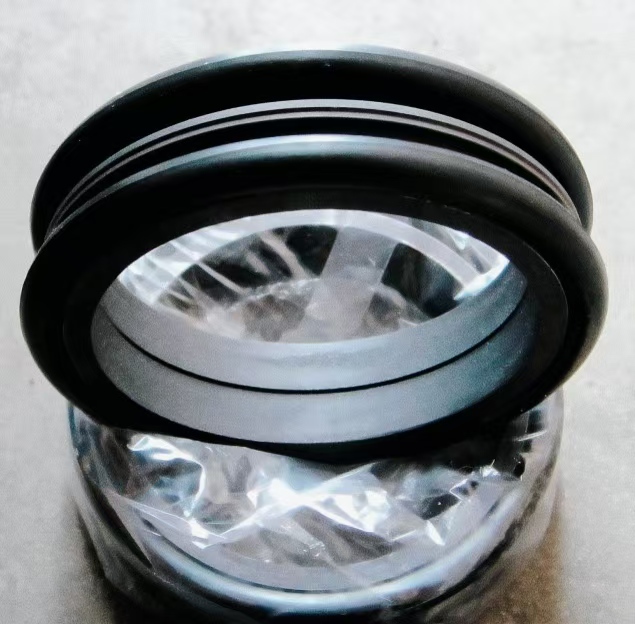
The name digital displacement pump tends to generate two reactions in equal measure: interest, because it sounds advanced, and skepticism, because plenty of things called digital are not fundamentally different from what came before. In this case the interest is justified. The digital displacement pump is mechanically distinct from every conventional pump design, and the efficiency difference is not marginal.
The Conventional Pump's Built-In Problem
Every conventional positive displacement pump — gear, vane, axial piston — sends all of its active pumping elements through a full pressure cycle on every shaft revolution. When the system does not need full output, the pump still does the work of pressurizing fluid; the excess just returns to tank over the relief valve or through a bypass. At 50% load, a fixed displacement pump consumes roughly 80 to 90% of full-load input power while delivering half the useful work. That gap is waste, entirely.
Variable displacement designs narrow the gap by reducing stroke. But swashplate mechanisms have a minimum stable displacement limit — typically 5 to 10% of maximum — below which control stability breaks down. And the swashplate servo system itself consumes energy continuously to maintain its position.
How Digital Displacement Solves It
A digital displacement pump fits each piston with a fast-acting electronically controlled valve. On any given stroke, the piston can be commanded to pressurize fluid and deliver it to the outlet — or commanded to idle, drawing fluid in and returning it to inlet without any pressure work being done. The decision is made fresh for each piston on each stroke, at response times under five milliseconds.
At 50% displacement, roughly half the pistons are engaged on any given revolution. The disengaged pistons consume almost no power — they are genuinely unloaded, not just bypassed. The efficiency at 50% load is therefore close to the efficiency at full load, rather than the steep efficiency cliff that conventional designs experience.
Why This Matters for Real Applications
Real hydraulic systems rarely run at full load for more than a fraction of their operating time. A construction machine works through a cycle of full-load digging, part-load travel, and near-idle positioning. An industrial press spends time at high pressure only during the actual forming stroke. A digital displacement pump sized for peak demand runs efficiently across the entire cycle — not just at the design point.
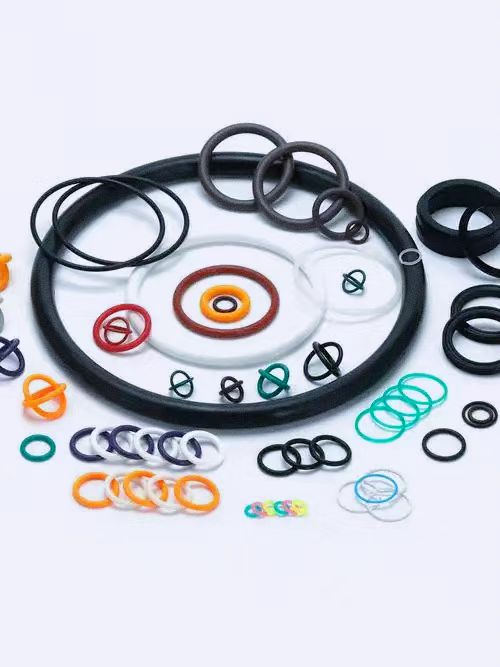
HOVOO / HOUFU maintains seal kits for Danfoss digital displacement pump platforms. Piston seal integrity is fundamental to the pressure-separation the digital valve system depends on. Visit hovooseal.com for specifications.
Source: www.hovooseal.com


