

 EN
EN
 AR
AR CS
CS DA
DA NL
NL FI
FI FR
FR DE
DE EL
EL IT
IT JA
JA KO
KO NO
NO PL
PL PT
PT RO
RO RU
RU ES
ES SV
SV TL
TL IW
IW ID
ID LV
LV SR
SR SK
SK VI
VI HU
HU MT
MT TH
TH TR
TR FA
FA MS
MS GA
GA CY
CY IS
IS KA
KA UR
UR LA
LA TA
TA MY
MY
The same tool name — hydraulic breaker — covers a 50 kg attachment for a half-ton micro-excavator and a 13-tonne unit for a 200-ton mining excavator. They convert hydraulic pressure into impact energy, and that's where the similarity ends. The internal architecture, the materials, the failure modes, and the jobs they actually suit are all different. Conflating them is how contractors end up with undersized equipment grinding away at granite for twice the planned hours, or oversized units making a 5-ton machine unstable.
Structural Differences That Actually Matter
Small breakers run on low hydraulic flow — 20–60 L/min at pressures that match mini excavator auxiliary circuits. The percussion mechanism is compact, and the guide housing is deliberately lightweight to preserve carrier stability. Furukawa describes the small class as running from 150 ft-lb impact energy at the compact end up to 800 ft-lb on larger small units. The piston is small, the accumulator is small, and the nitrogen charge requirements are modest. Field maintenance on a compact breaker is straightforward — accessible bushings, simple seal kits, short service intervals.
Heavy and ultra-heavy breakers are structurally different in kind, not just in scale. The percussion mechanism requires a larger piston mass to deliver the joules needed for primary rock breaking — the BLT-185, for example, operates at 250–270 bar with a 185mm chisel, needing a carrier hydraulic system that can supply the flow at that pressure consistently. The housing is reinforced against the higher recoil loads that transmit back through the stick with every strike. Oversized brackets on the wrong carrier don't just reduce stability — they can produce weldment cracks in the boom structure from sustained recoil that exceeds the design envelope.
Overseas Scenario Mapping
Different regions demand different classes. A Chinese contractor building urban roads in East Africa needs mid-range versatile units that fit SANY and Komatsu machines interchangeably. A mining contractor in Chile's copper belt needs ultra-heavy class running multi-shift cycles on 80-ton excavators. A European demolition firm in Southeast Asia adapts to mixed fleet conditions requiring flexible carrier brackets.
Weight alone doesn't determine class selection. Different regions measure compatibility differently — Europe by lift capacity, North America by energy class, China and Southeast Asia by chisel diameter. For overseas procurement, knowing which metric your end market uses is as important as knowing the breaker spec itself.
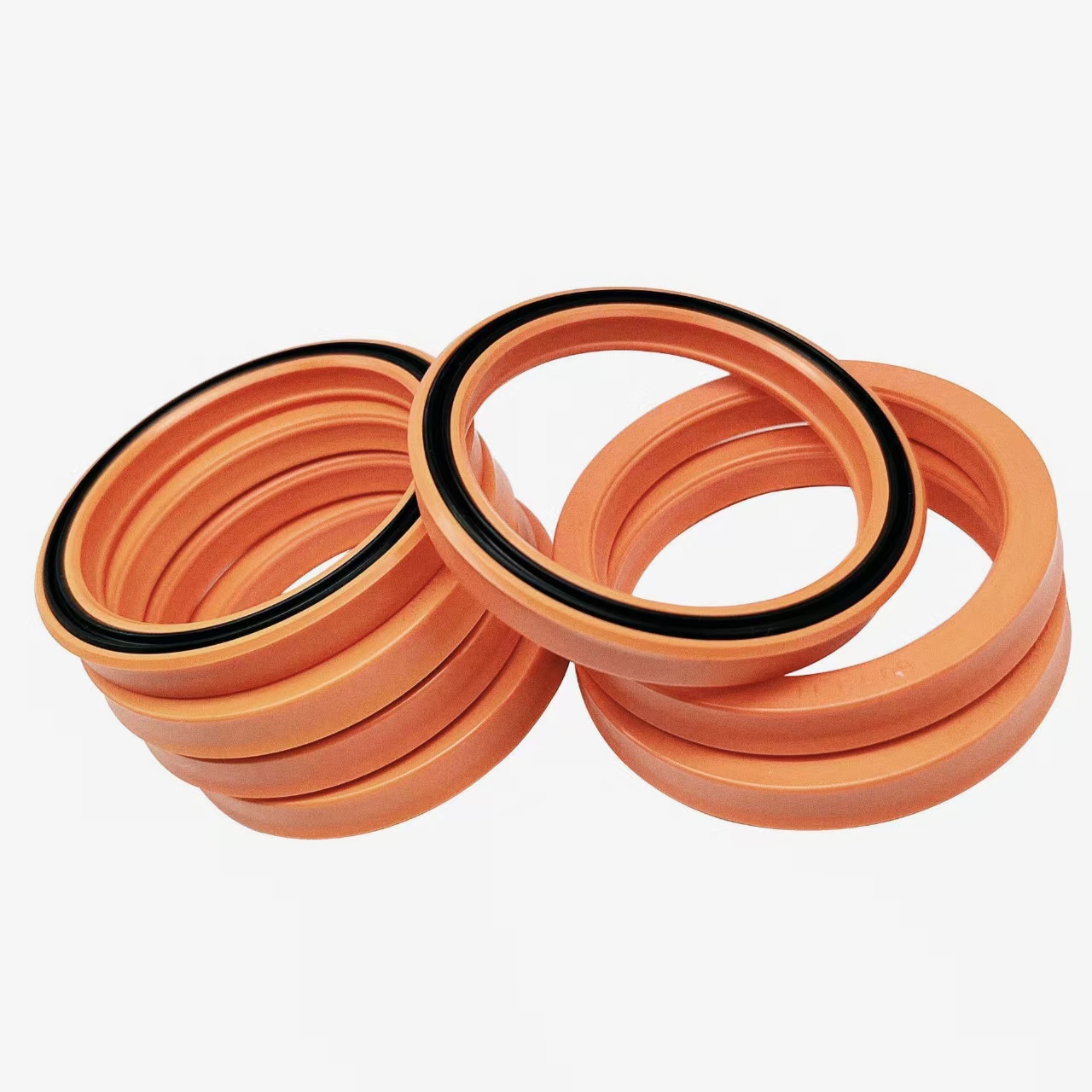
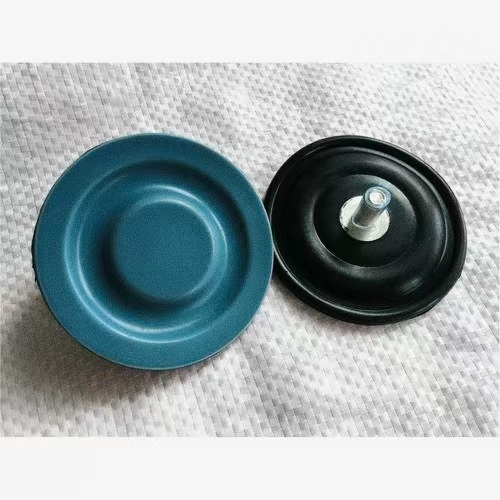
HOVOO and HOUFU supply seal kits and wear parts calibrated to class — small breaker seals run at lower pressures and temperatures than heavy-class units, and using the wrong compound degrades faster. Right class, right seal spec. Details at https://www.hovooseal.com/
Breaker Class vs. Overseas Scenario Match
Class |
Carrier Weight |
Impact Energy |
Typical Overseas Scenario |
Small (compact) |
0.5–7 t |
150–800 ft-lb |
Urban alley access, indoor demolition, utility trenching in tight spaces |
Medium |
7–22 t |
800–4,000 J |
Road demolition, bridge deck removal, mixed urban and site work |
Heavy |
22–55 t |
4,000–16,000 J |
Primary rock, quarry bench, open-pit mining, foundation excavation |
Ultra-heavy |
55–350 t |
16,000 J+ |
Large dam, tunnel primary breaking, extreme hard rock surface mining |
heavy vs small hydraulic breaker comparison | breaker class selection overseas | hydraulic hammer structural differences | carrier weight breaker match | HOVOO | HOUFU | hovooseal.com


