

 EN
EN
 AR
AR CS
CS DA
DA NL
NL FI
FI FR
FR DE
DE EL
EL IT
IT JA
JA KO
KO NO
NO PL
PL PT
PT RO
RO RU
RU ES
ES SV
SV TL
TL IW
IW ID
ID LV
LV SR
SR SK
SK VI
VI HU
HU MT
MT TH
TH TR
TR FA
FA MS
MS GA
GA CY
CY IS
IS KA
KA UR
UR LA
LA TA
TA MY
MY
The immense power of hydraulic excavators and ultra-class mining dump trucks (haul trucks) comes from hydraulic systems operating at pressures commonly between 300 and 500 bar. These systems are the circulatory system of the machine, powering everything from boom and bucket movement to steering and braking. Seals in this environment face a relentless onslaught of high pressure, pressure spikes (shock loads), high temperatures (from both ambient conditions and fluid compression), and constant dynamic movement. Failure can lead to lost power, environmental contamination, and catastrophic system damage.
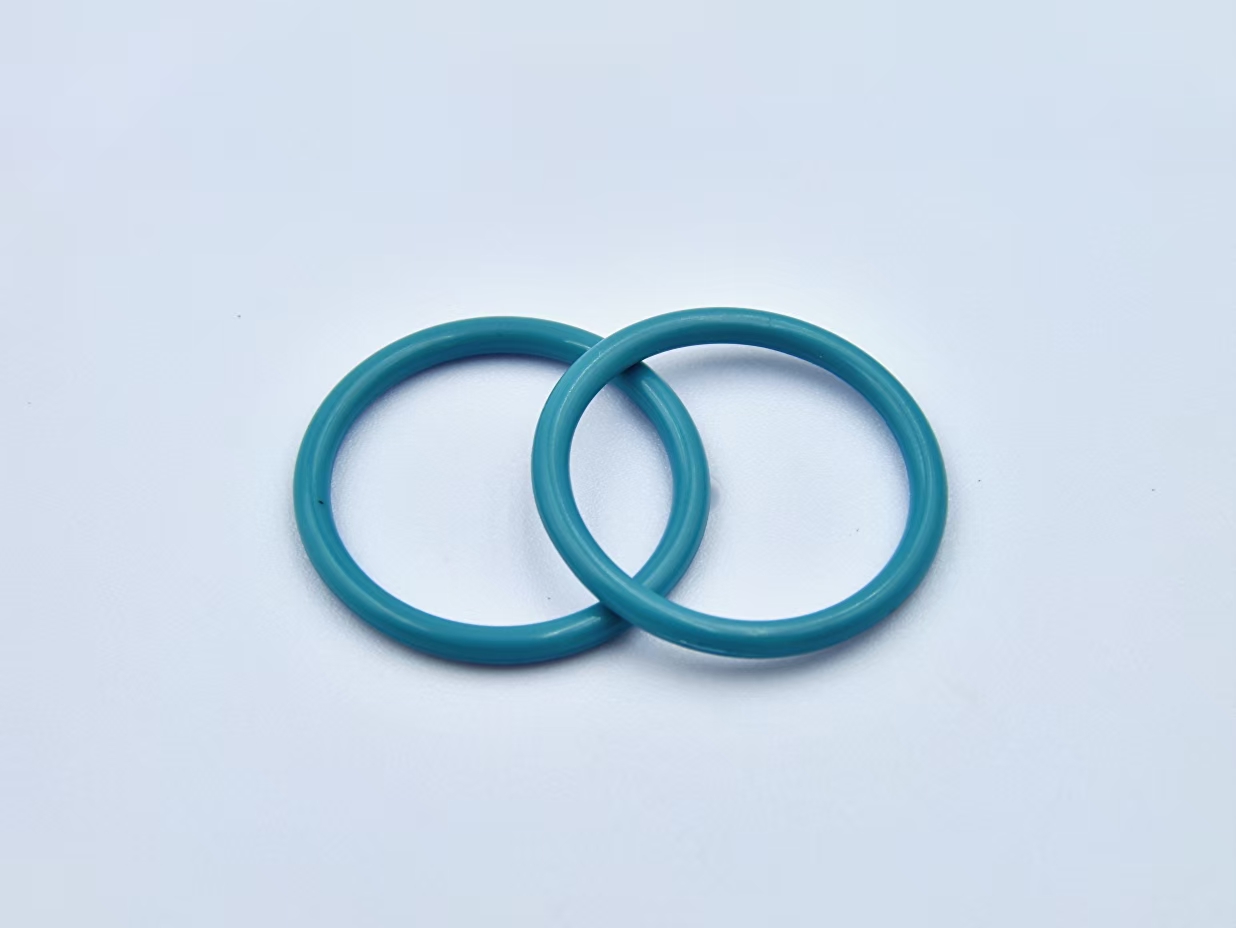
Nitrile (NBR) remains the most common seal material for hydraulic systems using standard mineral-based hydraulic fluids (HLP type). It provides an excellent cost-to-performance ratio, with good resistance to the fluid, adequate temperature range for most applications, and sufficient mechanical properties. For many static seals (O-rings in port connections, flange gaskets) and less demanding dynamic applications, NBR is perfectly suitable. Standard compounds like 70 Shore A or 90 Shore A are selected based on gland design and pressure.
However, in the most critical dynamic cylinder applications—particularly the piston and rod seals in the massive lift and tilt cylinders—Polyurethane (PU or AU) is often the material of choice. Polyurethane elastomers are not rubbers but polymers with a vastly different structure, giving them exceptional properties:
· Extreme Abrasion and Extrusion Resistance: They are arguably the most wear-resistant polymer seals available, able to withstand the side-loading and potential metal-to-metal contact in large, long-stroke cylinders.
· High Tensile Strength and Load-Bearing Capacity: They can handle very high pressures without deforming or flowing (extruding) into clearance gaps.
· Excellent Tear Resistance.
Their drawback is a more limited temperature range (typically -40°C to +100°C) and poor resistance to hot water, steam, and certain chemicals. They are primarily used with hydraulic oils.
OEMs like Caterpillar, Komatsu, and Hitachi provide detailed service manuals specifying exact seal kits for each cylinder model. These kits often include a combination of materials: PU for the primary pressure-bearing seals, NBR for secondary seals and wipers, and sometimes PTFE back-up rings for ultra-high-pressure applications.
The advent of autonomous and remotely operated mining equipment in Australia's Pilbara region and at some US mines adds another layer of complexity. Seal reliability becomes even more critical, as a leak on an unmanned vehicle can go unnoticed until it causes a failure, leading to expensive remote diagnostics and mobilization of a crew for repair. Predictive maintenance strategies, utilizing sensors to monitor hydraulic fluid cleanliness, temperature, and pressure trends, are integrated with seal life data to schedule replacements during planned maintenance windows, maximizing machine availability in these capital-intensive, 24/7 operations.


