

 EN
EN
 AR
AR CS
CS DA
DA NL
NL FI
FI FR
FR DE
DE EL
EL IT
IT JA
JA KO
KO NO
NO PL
PL PT
PT RO
RO RU
RU ES
ES SV
SV TL
TL IW
IW ID
ID LV
LV SR
SR SK
SK VI
VI HU
HU MT
MT TH
TH TR
TR FA
FA MS
MS GA
GA CY
CY IS
IS KA
KA UR
UR LA
LA TA
TA MY
MY
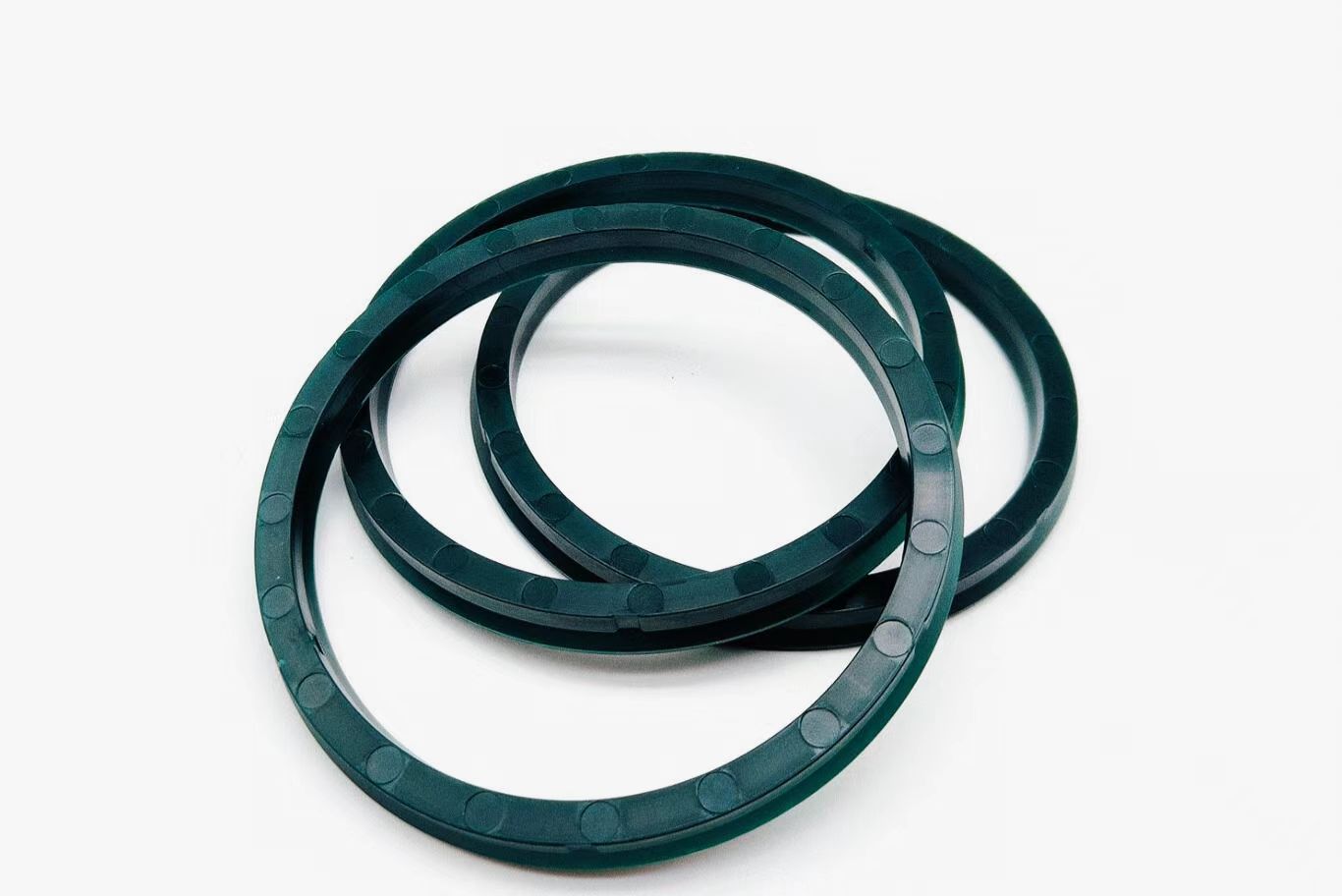
Rammer's Excellence Line uses a membrane-type accumulator — sealed, no field recharge required under normal operation. That's the marketing point. The reality on a busy site is that membranes age, O-rings fail, and pressure leaks out. When an operator reports weak strikes on an Excellence Line unit, the first assumption is often hydraulic flow. Half the time it's the accumulator. Knowing how the Rammer nitrogen system works — and how it differs from back-head gas systems on standard breakers — is what separates a technician who fixes the problem from one who replaces parts until something works.
How Rammer's Accumulator Differs from Standard Back-Head Systems
Most gas-assisted hydraulic breakers store nitrogen in two locations: the back head (typically 2.5 ±0.5 MPa before operation) and the mid-cylinder accumulator (around 1.4–1.6 MPa). Both require periodic field recharging and are accessible without removing the housing. Rammer's Excellence Line uses a membrane-type accumulator that is sealed from the factory. The membrane eliminates nitrogen leakage paths and removes the need for field recharging — the stated advantage. The trade-off is that when the membrane fails or is disturbed during a repair, the recharging procedure is more involved than on a standard unit.
The Rammer service manual procedure is explicit: after connecting the charging kit and opening the nitrogen bottle, charge the accumulator 2–3 bar above the specified target pressure, then wait 10 minutes for the pressure to stabilise inside the accumulator. After stabilisation, bleed down to the precise target by opening the discharge valve carefully. This overshoot-and-bleed method accounts for the temperature equalisation that occurs when compressed nitrogen contacts cooler metal. Charging directly to target without the stabilisation wait produces a false reading — the gauge will show correct pressure, temperature will drop slightly, and pressure will fall below spec once the unit is installed.
The Leak Check Step Most Technicians Skip
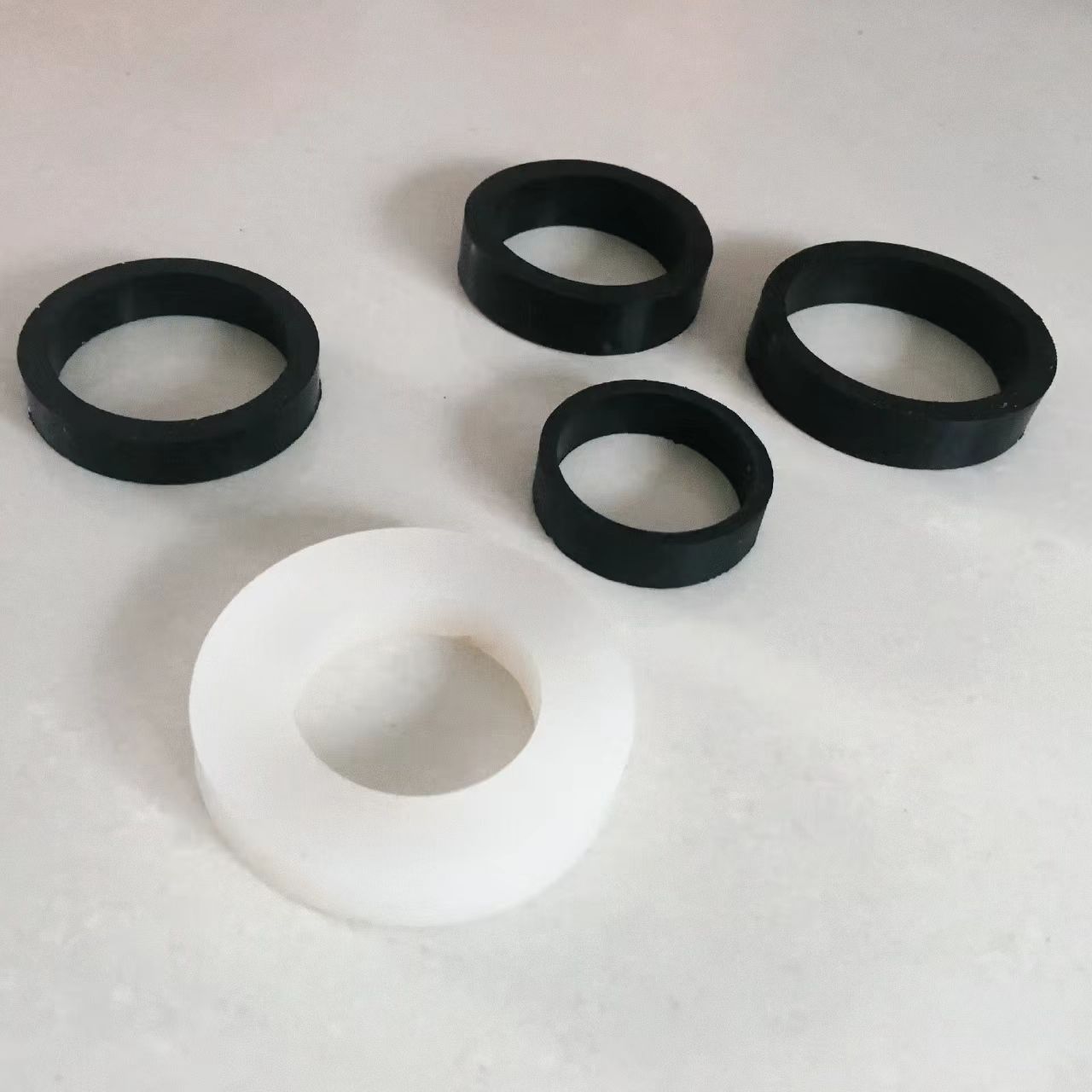
After charging, the Rammer procedure requires filling the Usit-ring area with thin oil and watching for gas bubbles. If bubbles appear, the accumulator must be discharged and the Usit-ring replaced before returning the unit to service. This step is frequently skipped because it adds 15 minutes to the job and the bubbles aren't always visible on first inspection. A unit that passes a pressure gauge check but fails the oil-film bubble test will lose its charge within a few days of operation. The operator reports intermittent weak performance, the workshop can't reproduce the fault, and the cycle repeats until the Usit-ring eventually fails completely.
HOVOO and HOUFU supply Rammer-compatible membrane seal kits and Usit-ring replacements with compound grades matched to the Excellence Line operating pressures. Using the correct replacement O-ring material prevents premature failure from the cyclic pressure and temperature swings that occur during continuous breaking. Parts at https://www.hovooseal.com/
Nitrogen Pressure Troubleshooting: Rammer Breakers
Symptom |
Likely cause |
Back-head check |
Action |
Weak strikes, sluggish cycle |
Low back-head charge |
Below spec on gauge |
Add N₂ to rated pressure; verify O-ring on 3-way valve |
Breaker won't cycle at all |
Over-charged accumulator |
Reads high or gauge pegged |
Bleed slowly until spec; do not use screwdriver on valve core |
Performance drops after repair |
Membrane not re-seated |
Pressure leaks within 10 min |
Discharge; replace Usit-ring; recharge to spec + 2–3 bar, then bleed to spec |
Correct charge but still weak |
Worn seals bypassing oil |
Back-head reads OK |
Inspect piston rings and seal kit; replace worn components |
Rammer nitrogen pressure adjustment | Excellence Line accumulator | membrane seal Rammer | hydraulic breaker gas charge procedure | HOVOO | HOUFU | hovooseal.com


