

 EN
EN
 AR
AR CS
CS DA
DA NL
NL FI
FI FR
FR DE
DE EL
EL IT
IT JA
JA KO
KO NO
NO PL
PL PT
PT RO
RO RU
RU ES
ES SV
SV TL
TL IW
IW ID
ID LV
LV SR
SR SK
SK VI
VI HU
HU MT
MT TH
TH TR
TR FA
FA MS
MS GA
GA CY
CY IS
IS KA
KA UR
UR LA
LA TA
TA MY
MY
The impact energy figure on a breaker's spec sheet is not always what the unit delivers in the field. This gap matters. A breaker purchased on a 4,000 J rating that's actually delivering 2,800 J is 30% less productive than expected — and the discrepancy shows up as longer cycle times and a frustrated operator who blames the rock. The energy figure also isn't standardised across manufacturers, which means comparing two spec sheets directly is often meaningless unless both used the same measurement method.
Why Published Figures Can't Always Be Trusted
In 1991, the Association of Equipment Manufacturers (AEM) recognised this problem and established the Mounted Breaker Manufacturers Bureau (MBMB) to develop a universal testing method. The CIMA measuring guide for tool energy rating became the reference standard: impact energy is measured at the tool steel using strain gauges attached to the chisel, with the elastic deformation integrated over the impact wave to calculate energy per blow. The result is energy delivered to the material — not energy input from the hydraulic system, not theoretical piston kinetic energy, not a weight-class estimate inherited from pneumatic hammer conventions.
The problem is that only some manufacturers use AEM-certified ratings. Others publish foot-pound 'classes' — essentially weight-derived estimates with no direct measurement behind them. A 3,000 ft-lb class breaker from one manufacturer and a 3,000 ft-lb measured rating from another are not the same thing. Buyers comparing spec sheets without knowing which method was used are comparing apples to estimates.
Field Detection: What's Actually Measurable On-Site
The strain gauge method requires a calibrated test rig — pressure and flow sensors, a high-speed data acquisition system, and a static calibration of the chisel in three orientations (0°, 120°, 240°). Total measurement uncertainty in a well-controlled test is under 3.8%. None of that is portable to a construction site. In the field, technicians use proxy indicators: penetration rate on a known reference material at a specific BPM setting, hydraulic input power monitoring via pressure and flow sensors on the carrier's auxiliary circuit, or comparison against a unit with a known calibration baseline.
The nitrogen chamber pressure method works for gas-assisted breakers — measuring the N₂ pressure curve during the piston stroke and calculating kinetic energy from chamber geometry and piston mass. For fully hydraulic models with no gas chamber, this method doesn't apply. When a breaker's performance has degraded noticeably, the fastest field check is nitrogen pressure (for gas-assisted units) and hydraulic flow supply from the carrier — these two variables explain the majority of below-rated energy delivery without requiring measurement equipment.
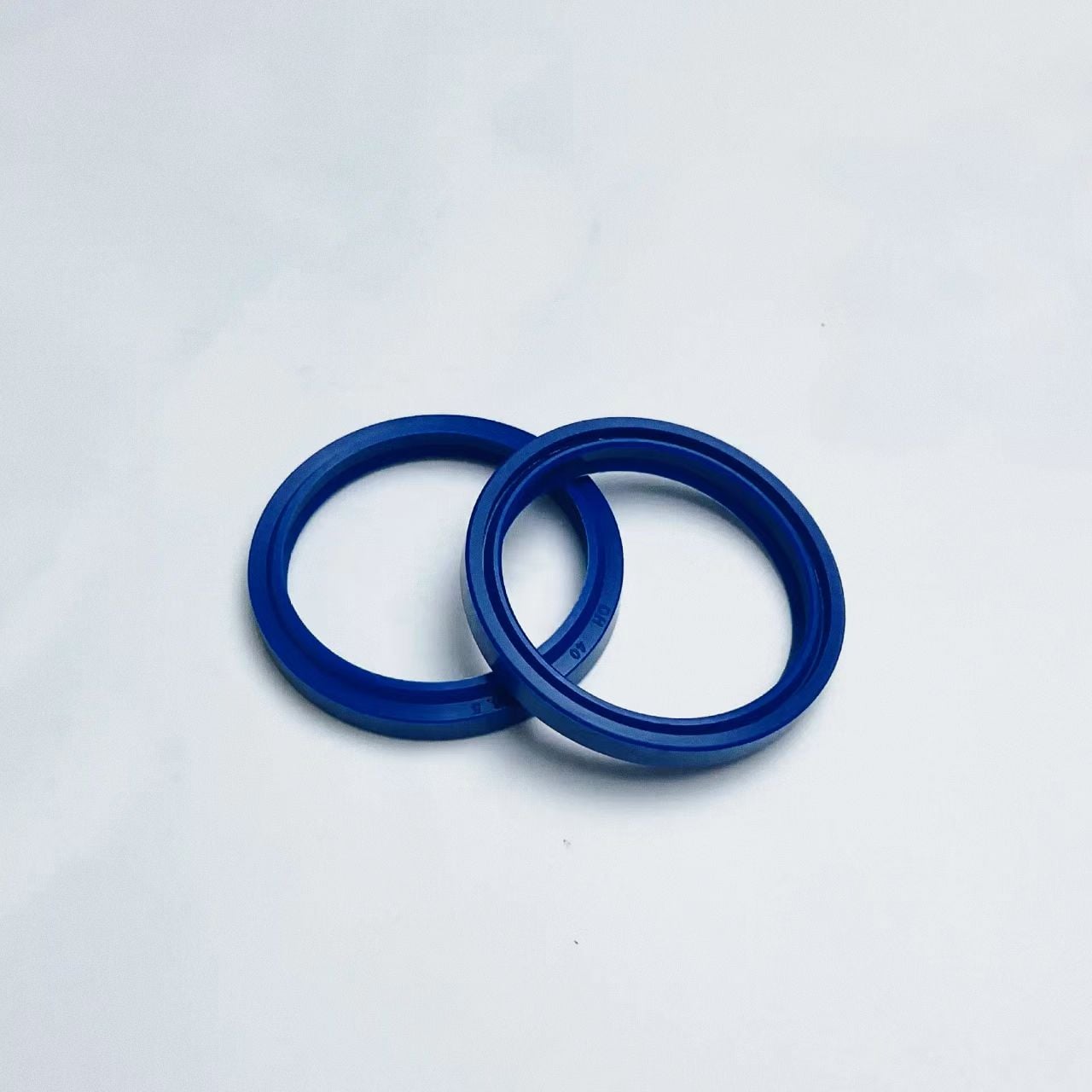
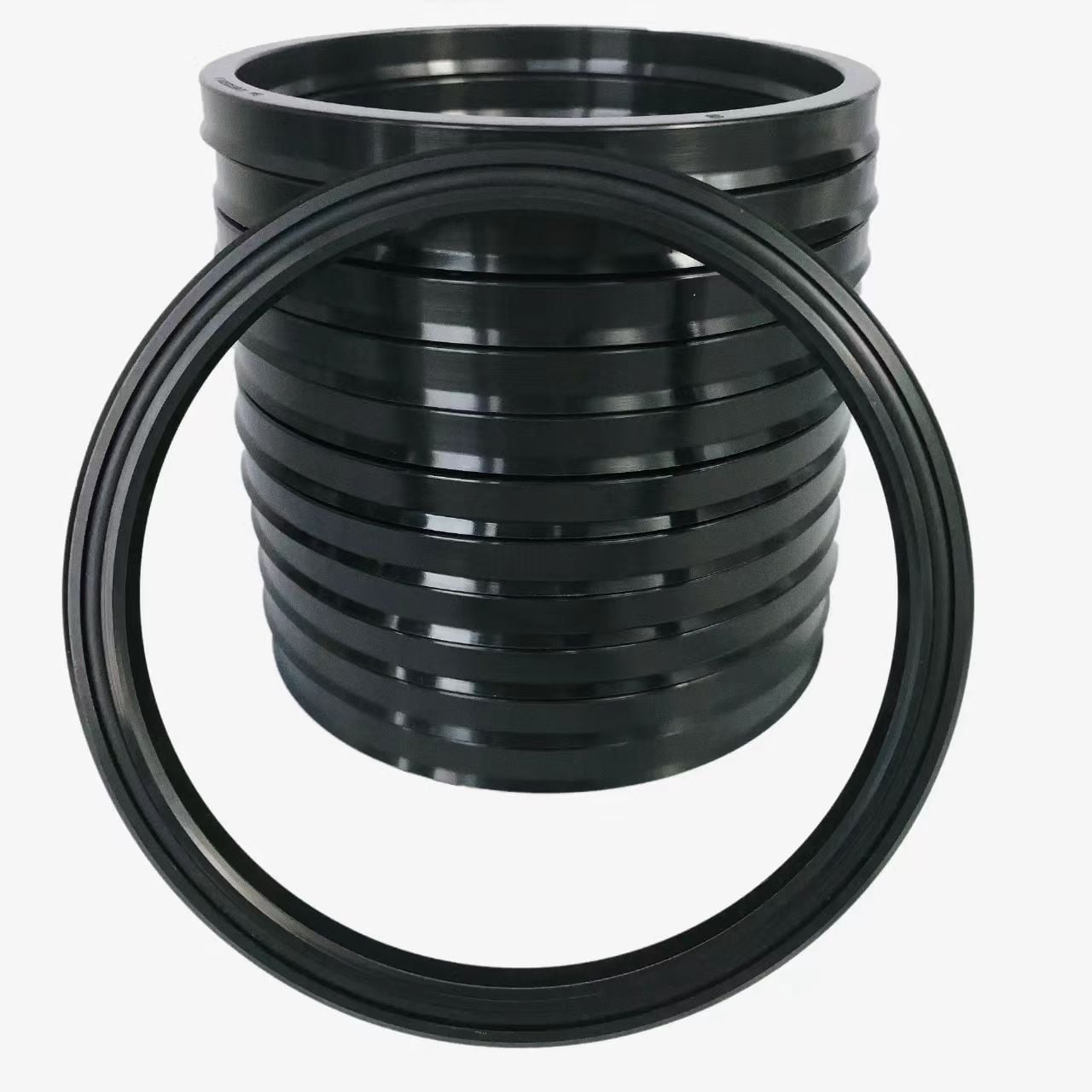
HOVOO and HOUFU supply pressure gauges, nitrogen charging kits, and seal kits used in both field diagnostics and scheduled maintenance for BEILITE and major platform breakers. Accurate nitrogen pressure is the most accessible energy calibration lever on gas-assisted units. Details at https://www.hovooseal.com/
Impact Energy Measurement Methods Compared
Method |
How it works |
Practical limit |
Strain gauge on chisel (AEM/CIMA standard) |
Measures elastic deformation of chisel; integral over impact wave gives energy per blow |
Lab-grade accuracy; requires calibration rig; not field-portable |
Pressure + flow sensor |
Measures input hydraulic power; energy estimated from P × Q × cycle time × efficiency |
Requires sensor installation; assumes known efficiency ratio |
Nitrogen chamber pressure method |
Calculates piston kinetic energy from pressure curve in N₂ chamber |
Not usable on fully-hydraulic models with no gas chamber |
Field proxy: penetration rate on reference material |
Compares BPM × depth-per-blow on known rock; relative calibration only |
Subjective; rock variability introduces error |
hydraulic breaker impact energy measurement | AEM CIMA energy rating | breaker calibration field test | strain gauge chisel energy | HOVOO | HOUFU | hovooseal.com


