

 EN
EN
 AR
AR CS
CS DA
DA NL
NL FI
FI FR
FR DE
DE EL
EL IT
IT JA
JA KO
KO NO
NO PL
PL PT
PT RO
RO RU
RU ES
ES SV
SV TL
TL IW
IW ID
ID LV
LV SR
SR SK
SK VI
VI HU
HU MT
MT TH
TH TR
TR FA
FA MS
MS GA
GA CY
CY IS
IS KA
KA UR
UR LA
LA TA
TA MY
MY
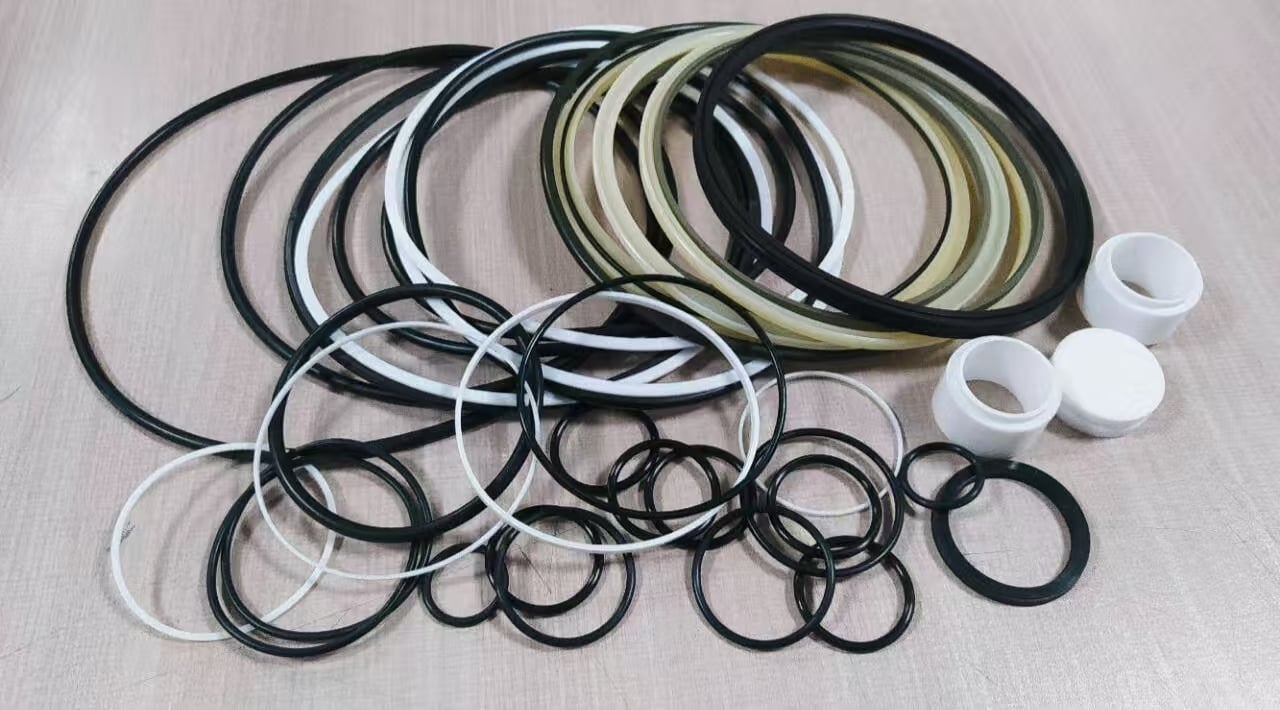
Oil leaking from a hydraulic breaker is a diagnostic signal, not just a maintenance task. Two breakers leaking from the same general area can have completely different root causes — and repairing the wrong cause guarantees the same failure repeats. The first thing a technician needs to establish is where exactly the oil is coming from. The location tells the story.
Reading the Leak Location
A leak at the front head — where the chisel enters the housing — almost always traces to the dust ring or U-cup seal. These wear from abrasion as rock dust enters through the chisel gap during operation. Fluid contamination analysis (41% of hydraulic cylinder failures involve contamination) confirms that abrasive particles grinding against the seal lip are the leading cause of front-head leaks. The dust ring fails first, then particles reach the U-cup. By the time oil is visible externally, both seals are compromised and bushing wear has usually progressed as well. Bushing clearance beyond spec allows the chisel to tilt under load, creating side loading that accelerates seal wear in a self-reinforcing cycle.
A leak from the cylinder body seam is a different problem entirely. Beilite's engineering notes identify loose through bolts as the most common cause of this failure pattern. Vibration during operation works the torque out of through bolts over hundreds of operating hours. When torque falls below spec, the cylinder joints flex slightly under pressure, and oil escapes past the O-rings at those joints. This isn't a seal failure — it's a fastener maintenance failure. The fix is re-torquing, not a seal kit.
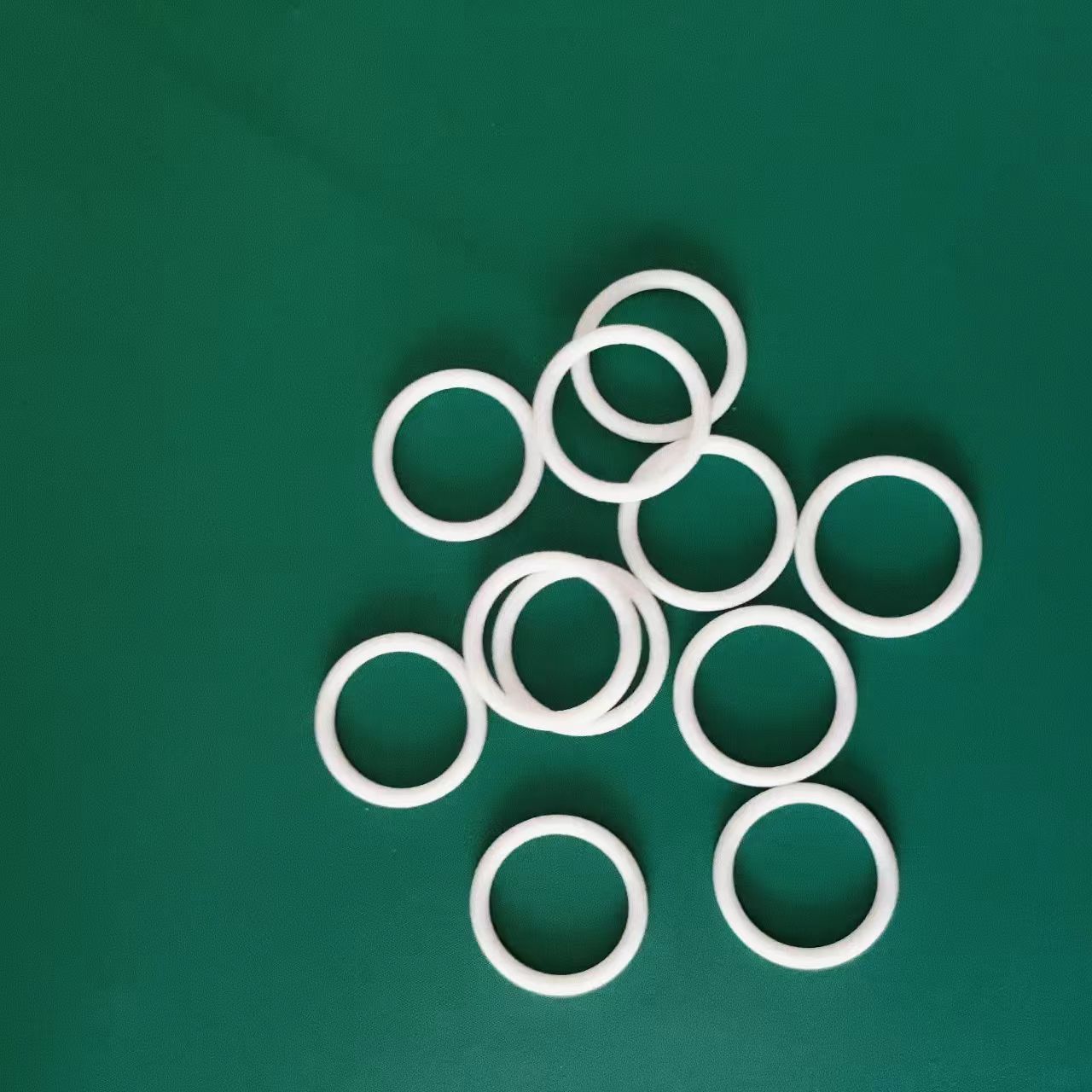
Internal Bypass: When the Piston Is the Problem
Internal leakage — where high-pressure oil bypasses the piston and crosses to the return circuit — doesn't produce an external drip. It shows up as reduced impact power. Blank firing (operating without the chisel pressed on material) sends shockwaves back through the piston, and contaminated oil acts as liquid sandpaper on the precision bore surface. Once the piston or cylinder bore is scored, no seal kit fixes it permanently. The scoring creates a leak path that wears replacement seals within a fraction of the normal interval. Bore gauging is the test — barrels worn beyond 0.005 inch oversize require sleeving or replacement rather than a fresh seal kit.
HOVOO and HOUFU supply complete seal kits for BEILITE and major platform breakers, with material grades (TPU, NBR, PTFE) matched to operating pressure and environment. Using the correct compound, not the cheapest available, is the difference between a repair that lasts 1,000 hours and one that lasts 100. Details at https://www.hovooseal.com/
Leak Location Diagnosis Guide
Leak location |
Most likely root cause |
Correct fix |
Front head / chisel entry |
Worn dust ring or U-cup; bushing wear allowing tool misalignment |
Replace dust ring and U-cup; measure bushing wear; replace if oversize |
Cylinder body seam |
Loose through bolts |
Torque all through bolts to spec; inspect O-rings at cylinder joints |
Around piston / internal bypass |
Scored piston or cylinder bore; failed piston seal |
Inspect piston surface; bore gauging; full seal kit replacement |
Valve assembly area |
O-ring failure from pressure spikes or wrong compound |
Replace O-rings with correct material grade; check carrier relief setting |
hydraulic breaker oil leakage fix | seal leak diagnosis | through bolt torque breaker | piston bore scoring | HOVOO | HOUFU | hovooseal.com


