

 EN
EN
 AR
AR CS
CS DA
DA NL
NL FI
FI FR
FR DE
DE EL
EL IT
IT JA
JA KO
KO NO
NO PL
PL PT
PT RO
RO RU
RU ES
ES SV
SV TL
TL IW
IW ID
ID LV
LV SR
SR SK
SK VI
VI HU
HU MT
MT TH
TH TR
TR FA
FA MS
MS GA
GA CY
CY IS
IS KA
KA UR
UR LA
LA TA
TA MY
MY
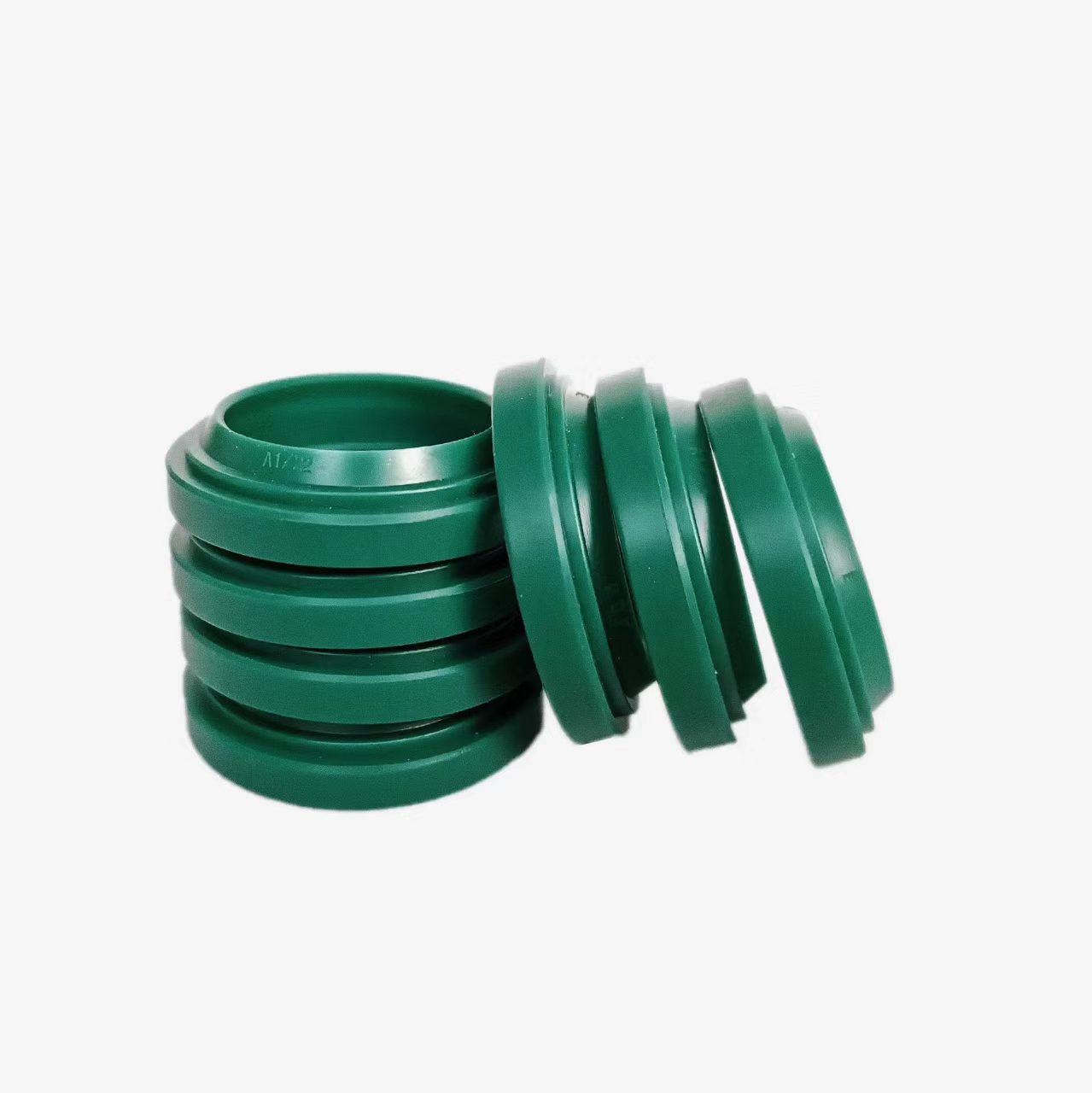
The directional valve in a hydraulic breaker does one thing: it switches high-pressure oil flow between the top and bottom of the piston at up to 1,400 times per minute to create the impact cycle. That switching frequency is why the directional valve wears faster than almost any other component in the system — not from single catastrophic events, but from the cumulative effect of millions of tiny stress cycles. Three variables determine whether it lasts 500 hours or 3,000: oil cleanliness, pressure spike management, and correct viscosity.
Contamination: The Primary Valve Killer
A sliding spool valve works on clearances measured in microns. Hard particles in the oil — metal debris from component wear, silica dust from the work environment entering through a compromised dust ring, or contamination introduced during hose disconnection — wedge between the spool and bore. Each particle that passes through scores the sliding surfaces. As clearance increases, pressurised oil crosses from high-pressure to return side inside the valve without doing useful work. The energy of that bypass converts to heat. Oil temperature rises, viscosity drops further, leakage increases — a feedback loop that accelerates once it starts.
The fix is upstream: filtration. Return-line filters should be replaced every 250–500 operating hours depending on environment, more frequently in demolition or dusty rock-breaking work. Oil sampling with particle count analysis (ISO 4406 standard) tracks contamination trends before they become valve damage. A single contamination event at hose coupling — operator switches from bucket to breaker without capping and cleaning the hose ends — can introduce enough debris to trigger valve sticking within hours.
Pressure Spikes and the Buffer Seal Connection
The directional valve switches under load, which means it sees the pressure spike from each impact cycle directly. The accumulator absorbs these spikes when charged to specification — a correctly charged accumulator extends piston seal life by 40–60% according to Beilite's maintenance data, and the same dampening effect protects the valve spool seals from the cyclic overload that degrades their compound over time. A low accumulator charge that should have been caught on a weekly nitrogen check instead transmits unattenuated spikes to the valve on every single stroke.
BEILITE's piston control valve directs oil at 140–280 bar depending on model, through 400–1,400 pressure reversals per minute. Buffer seals positioned behind the main piston seal absorb peak loads and protect the valve assembly. When buffer seals wear and are not replaced, the valve absorbs the overload instead.
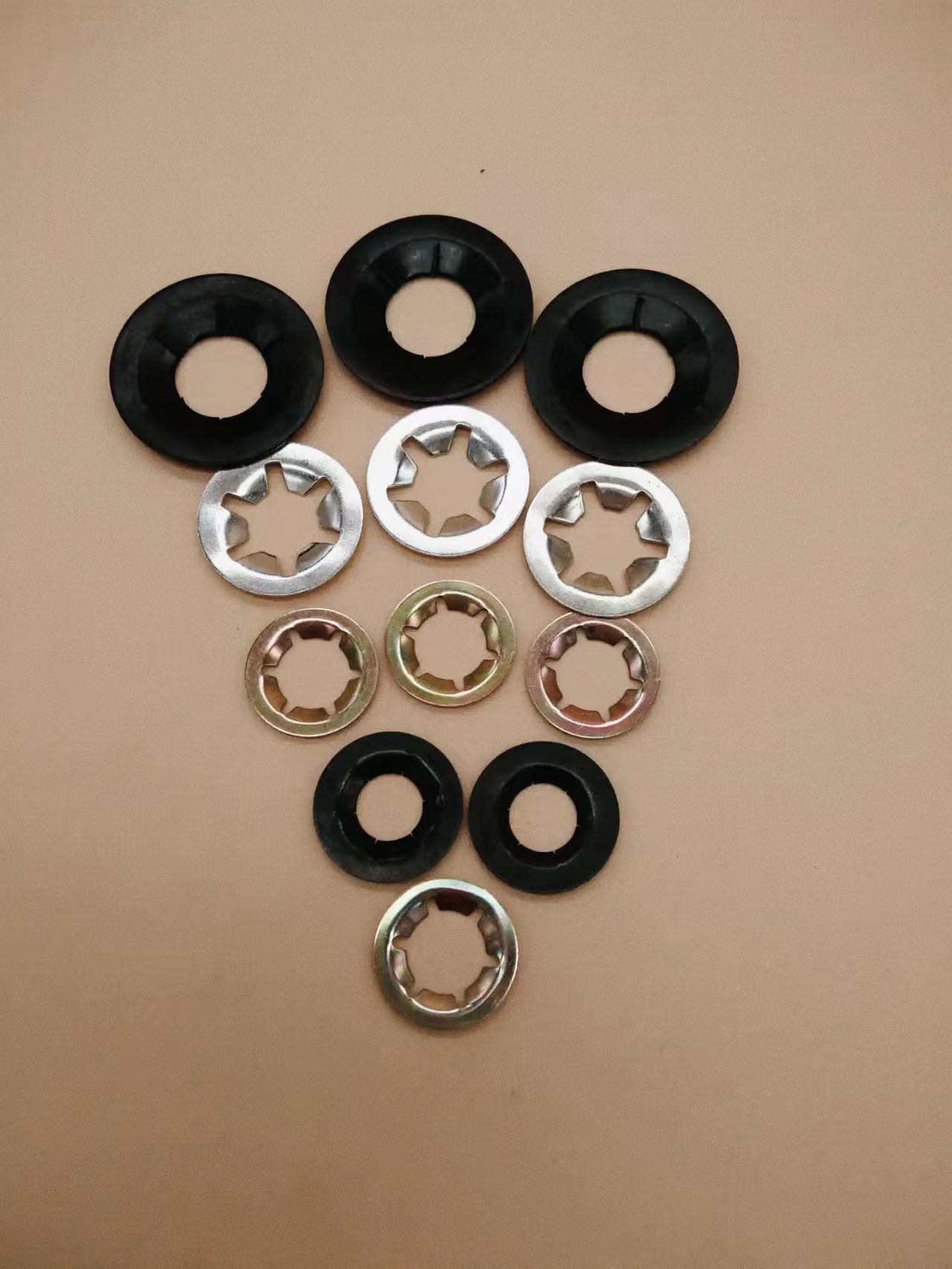
HOVOO and HOUFU supply directional valve seal kits and buffer seal sets matched to BEILITE and major platform breaker models, with compound grades selected for the operating pressure and BPM cycle. Replacing valve seals at the scheduled 1,000-hour interval — before failure — costs a fraction of valve replacement. Details at https://www.hovooseal.com/
Directional Valve Lifespan: Key Damage Factors
Factor |
What damages the valve |
Preventive action |
Oil contamination |
Hard particles score spool and bore; clearance grows; leakage and sticking follow |
ISO 4406 oil cleanliness monitoring; replace filters at 250–500 hr intervals |
Pressure spikes |
Cyclic spikes from 400–1,400 BPM degrade spool seal compound over time |
Buffer seal in good condition; correct nitrogen accumulator pressure to absorb spikes |
Incorrect oil viscosity |
Wrong-viscosity oil generates excess heat or cavitation near valve orifices |
Use manufacturer-specified grade; check viscosity at operating temperature (20–40 cSt target) |
Hose contamination on coupling |
Dirt entry at coupling swap introduces particles directly into valve circuit |
Cap hoses immediately after disconnect; clean couplers before reconnecting |
hydraulic breaker directional valve lifespan | valve contamination damage | pressure spike valve wear | breaker valve seal kit | HOVOO | HOUFU | hovooseal.com


