

 EN
EN
 AR
AR CS
CS DA
DA NL
NL FI
FI FR
FR DE
DE EL
EL IT
IT JA
JA KO
KO NO
NO PL
PL PT
PT RO
RO RU
RU ES
ES SV
SV TL
TL IW
IW ID
ID LV
LV SR
SR SK
SK VI
VI HU
HU MT
MT TH
TH TR
TR FA
FA MS
MS GA
GA CY
CY IS
IS KA
KA UR
UR LA
LA TA
TA MY
MY
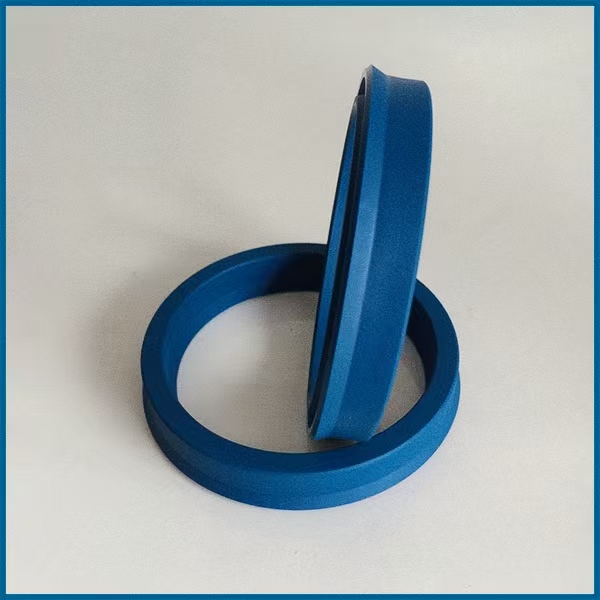
The same hydraulic breaker running the same chisel on two different materials will produce two very different results — and two very different wear patterns on the parts. A moil point that excels in reinforced concrete becomes a liability on a granite bench face. A bushing rated for 800 hours on a construction site may reach failure at 400 hours in a dusty quarry. Parts selection that doesn't account for the actual working condition isn't parts selection — it's just parts buying.
Chisel Geometry: Matching the Tool to the Material
Three geometries cover the majority of applications. The moil point concentrates maximum impact energy into a small tip surface area, driving a wedge effect that splits material from the inside. This is the standard for general demolition and reinforced concrete — the tool penetrates and cracks rather than shatters. Running a moil on granite wastes most of the blow because the surface resists penetration; the tool bounces rather than bites.
The blunt tool spreads impact energy outward as a shockwave, shattering dense material from below the surface. In quarry secondary breaking — clearing oversize blasted boulders — the blunt tool outperforms the moil significantly. The wedge or flat chisel directs force along a line rather than a point: the preferred option for trenching through layered sedimentary rock or cutting asphalt. Using a blunt tool on abrasive rock with no pre-existing fractures limits penetration; using a moil on soft concrete can trap the tool in the material.
Parts That Change with the Condition
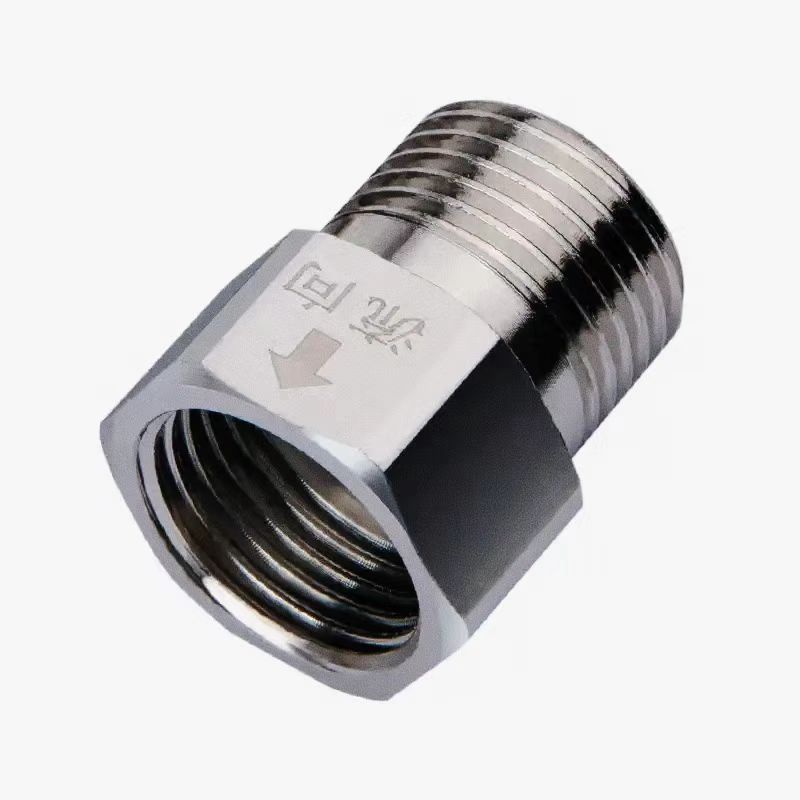
Chisel material matters as much as geometry. The standard is 42CrMo alloy steel with surface hardness HRC 52–58 — hard enough to resist abrasion, tough enough in the core to resist fracture under repeated high-frequency impact. In high-abrasion quarry environments, 42CrMoA with controlled surface quenching extends tool life 20–40% over standard 42CrMo. Sulfur and phosphorus impurities in cheaper recycled steel cause micro-cracking under cyclic stress, visible as shank surface cracks within a few hundred hours.
Bushing wear rate links directly to dust penetration. In concrete demolition, typical dust seal life is 800–1,500 hours. In a granite quarry, the same seal may fail at 400–600 hours because silica dust load is higher. Planning the shorter replacement interval prevents the seal failure that turns abrasive dust into grinding paste against the bushing bore — accelerating every wear component simultaneously. Seal replacement costs 3–5% of the breaker's purchase price. Bore scoring from a failed seal costs far more.
HOVOO and HOUFU supply condition-matched seal kits (TPU for high-cycle concrete, mining-grade for quarry, FKM for hot/dusty environments) and 42CrMo chisel sets for BEILITE and major-brand platforms. Details at https://www.hovooseal.com/
Parts Selection by Working Condition
Working condition |
Chisel type |
Key parts to upgrade |
Reinforced concrete demolition |
Moil point (conical); 42CrMo HRC 52–58 |
High-cycle TPU seal kit; heavy-duty front bushing |
Asphalt / road surface |
Flat wedge; concentrates force along line |
Standard NBR seal kit; medium-duty bushing |
Granite / basalt quarry |
Blunt tool; shockwave shatters from inside out |
Mining-grade seal kit (1,500–2,000 hr interval); conical bushing |
Secondary boulder breaking |
Blunt tool; broad face for oversize fragmentation |
Shorten seal interval; bushing wear accelerates on abrasive rock |
Trenching through mixed strata |
Wedge chisel; in-line or cross-cut configuration |
FKM seals for dusty environments; check bushing play weekly |
hydraulic breaker parts selection | chisel moil blunt wedge type | quarry mining concrete seal kit | 42CrMo chisel | HOVOO | HOUFU | hovooseal.com


