

 EN
EN
 AR
AR CS
CS DA
DA NL
NL FI
FI FR
FR DE
DE EL
EL IT
IT JA
JA KO
KO NO
NO PL
PL PT
PT RO
RO RU
RU ES
ES SV
SV TL
TL IW
IW ID
ID LV
LV SR
SR SK
SK VI
VI HU
HU MT
MT TH
TH TR
TR FA
FA MS
MS GA
GA CY
CY IS
IS KA
KA UR
UR LA
LA TA
TA MY
MY
Africa is not one market. The continent has four hydraulically distinct demand zones that buy different breaker classes for different reasons, run different excavator brands, and have different parts availability realities. A single product strategy that works for a South African gold mine will fail for an East African road contractor. Understanding the sub-regional differences is what separates exporters who build lasting African market positions from those who ship a container and wait for reorders that don't come.
Mining Belt vs. Infrastructure Corridor
Southern and West Africa buy heavy-class breakers for mining. South Africa's mining equipment market stood at $1.27 billion in 2025, growing at 5.65% CAGR to 2030, with underground equipment accelerating at 8.61% CAGR as platinum and gold operations go deeper. The DRC's copper output climbed 12.6% to 3.3 million tonnes in 2024 — every new open-pit bench and underground drift generates demand for heavy-duty rock-breaking equipment. Nigeria's Presidential Mining Roadmap targets raising mining's GDP share from 0.77% to 10% by 2026, triggering equipment investments across limestone quarries and processing hubs. Ghana's gold extraction is a consistent volume market.
East Africa runs on a different engine. The Lagos-Ibadan Railway, Addis Ababa-Djibouti Railway, Mombasa-Nairobi SGR — Chinese Belt and Road Initiative projects funded through 39 African BRI signatories — generate demand for mid-range versatile breakers that fit SANY, XCMG, and Zoomlion machines, not European carriers. About 31% of infrastructure projects in Africa requiring $50 million+ investment are funded by China. This shapes the excavator fleet, which shapes which breaker bracket configurations sell.
What Adaptation Actually Means in Africa
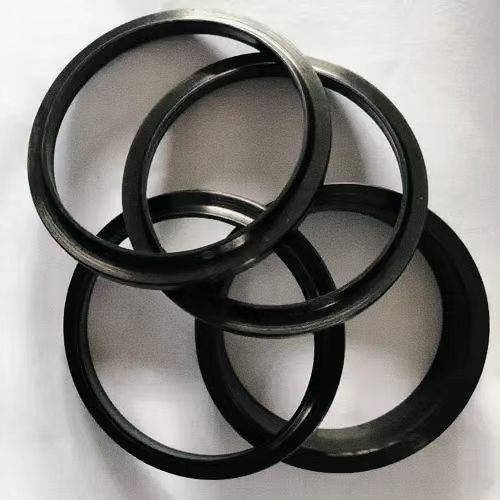
Heat resistance is the baseline requirement across the continent. Ambient temperatures of 35–45°C push hydraulic oil toward its 80°C degradation threshold faster than any other operating environment. Standard NBR seals fail earlier; FKM or HNBR rated to 150°C+ is the practical specification for Africa-deployed equipment. Dust infiltration is universal — fine laterite, silica, and volcanic ash accelerate dust seal wear on every sub-region. The Africa Hydraulic Equipment Market was valued at approximately $2 billion in 2024 and is projected to grow at 6.3% CAGR through 2030.
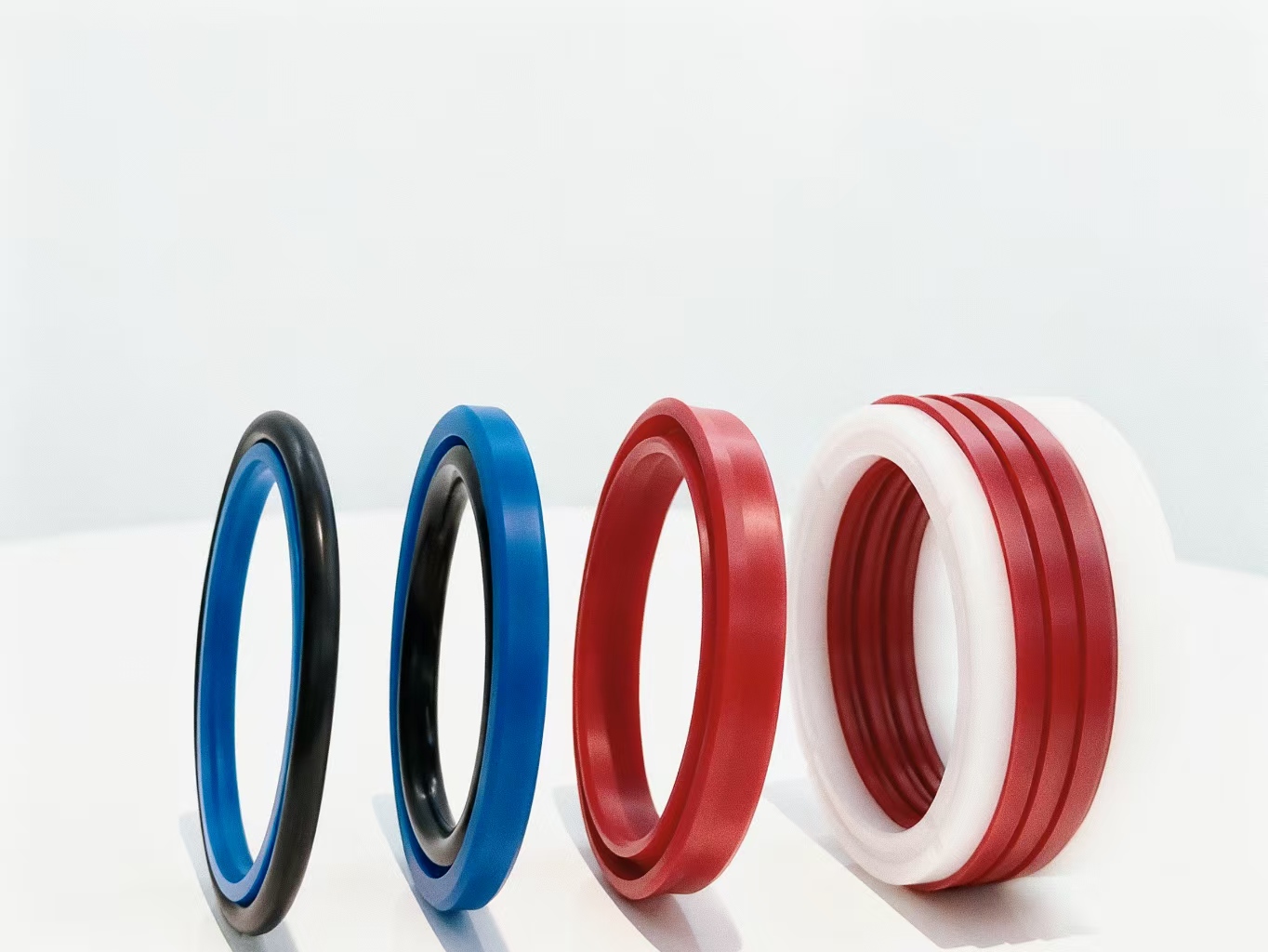
Parts availability is the deciding factor in procurement on remote mining sites. A distributor who can pre-position seal kits, chisel sets, and grease in Lusaka, Accra, or Nairobi holds a structural advantage over one who ships from China on 6-week lead times. BEILITE's after-sales service centres in Zimbabwe and Guinea directly address this geography. HOVOO and HOUFU supply Africa-rated FKM and HNBR seal kits with short delivery lead times to sub-Saharan and West African distribution points. Details at https://www.hovooseal.com/
Africa Sub-Regional Demand and Adaptation Summary
Sub-region |
Primary demand driver |
Model adaptation needed |
Southern Africa (SA, Zambia, Zimbabwe) |
Gold, platinum, coal mining; road infrastructure |
Heavy class; heat/dust-resistant seals; low TCO parts availability |
West Africa (Ghana, Nigeria, DRC) |
Gold, copper, cobalt mining; BRI infrastructure |
Mining-grade heavy class; Chinese-brand compatible parts; remote site parts stock |
East Africa (Kenya, Ethiopia, Tanzania) |
BRI railway/road projects; urban construction |
Mid-range versatile; SANY/XCMG carrier compatibility; dust-sealed housing |
North Africa (Egypt, Morocco) |
Urban construction; phosphate mining |
Mid-to-heavy class; standard CE-certified; Komatsu/Volvo carrier compatibility |
hydraulic breaker Africa market | South Africa mining breaker | West Africa gold copper breaker | BRI East Africa infrastructure | HOVOO | HOUFU | hovooseal.com


