

 EN
EN
 AR
AR CS
CS DA
DA NL
NL FI
FI FR
FR DE
DE EL
EL IT
IT JA
JA KO
KO NO
NO PL
PL PT
PT RO
RO RU
RU ES
ES SV
SV TL
TL IW
IW ID
ID LV
LV SR
SR SK
SK VI
VI HU
HU MT
MT TH
TH TR
TR FA
FA MS
MS GA
GA CY
CY IS
IS KA
KA UR
UR LA
LA TA
TA MY
MY
Mine tunnel work puts a hydraulic breaker into the most demanding possible combination of conditions: hard rock, confined space, poor ventilation, and continuous shifts. The breaker that handles a surface quarry bench runs a different duty cycle underground. The efficiency techniques that work in open air don't all transfer. Getting heavy-model selection and operating practice right for a mine tunnel is a different problem from getting them right anywhere else.
Heavy Model Selection for Underground Hard Rock
The carrier constraint underground is different from surface. A 20-ton excavator on a surface quarry has full boom extension and unrestricted vertical clearance. Underground, the tunnel profile determines what fits. Narrow drifts — often 3–5 metres wide and 3–4 metres high — may limit the carrier to a compact 10–15 ton machine. For hard rock tunneling, that means selecting a breaker that delivers maximum energy within the weight class the tunnel will accommodate. A compact 15-ton machine with a high-pressure 155mm breaker at 200–220 bar delivers more fracture energy into hard granite per shift than a larger unit that can't swing its boom properly in the heading.
The Chinese drilling and hydraulic impact hard-rock tunneling (DHIHT) research from Taiyuan University showed that pre-drilling spacing should not exceed 0.20 metres for effective free-surface creation ahead of impact breaking. The same principle applies in any hard-rock mine tunnel: hydraulic breaking alone against an intact face without pre-drilled relief is slower than breaking with some free surfaces to work toward. Combine the drill rig and the breaker as a sequence, not alternatives.
Efficiency Improvement in the Heading
In a tunnel heading, every cycle the operator stops to reposition costs more than it does on a surface bench, because the machine has less room to manoeuvre and the face is narrower. Positioning the breaker tool precisely at the start of each blow cycle — at a crack, joint, or drilled hole — and working outward from the free face produces material faster than hitting the same solid surface repeatedly. Never work the breaker at the same point for more than 30–60 seconds continuously: the chisel heats, hardness reduces at the tip, and the tool rounds off faster on an already-resisting surface.
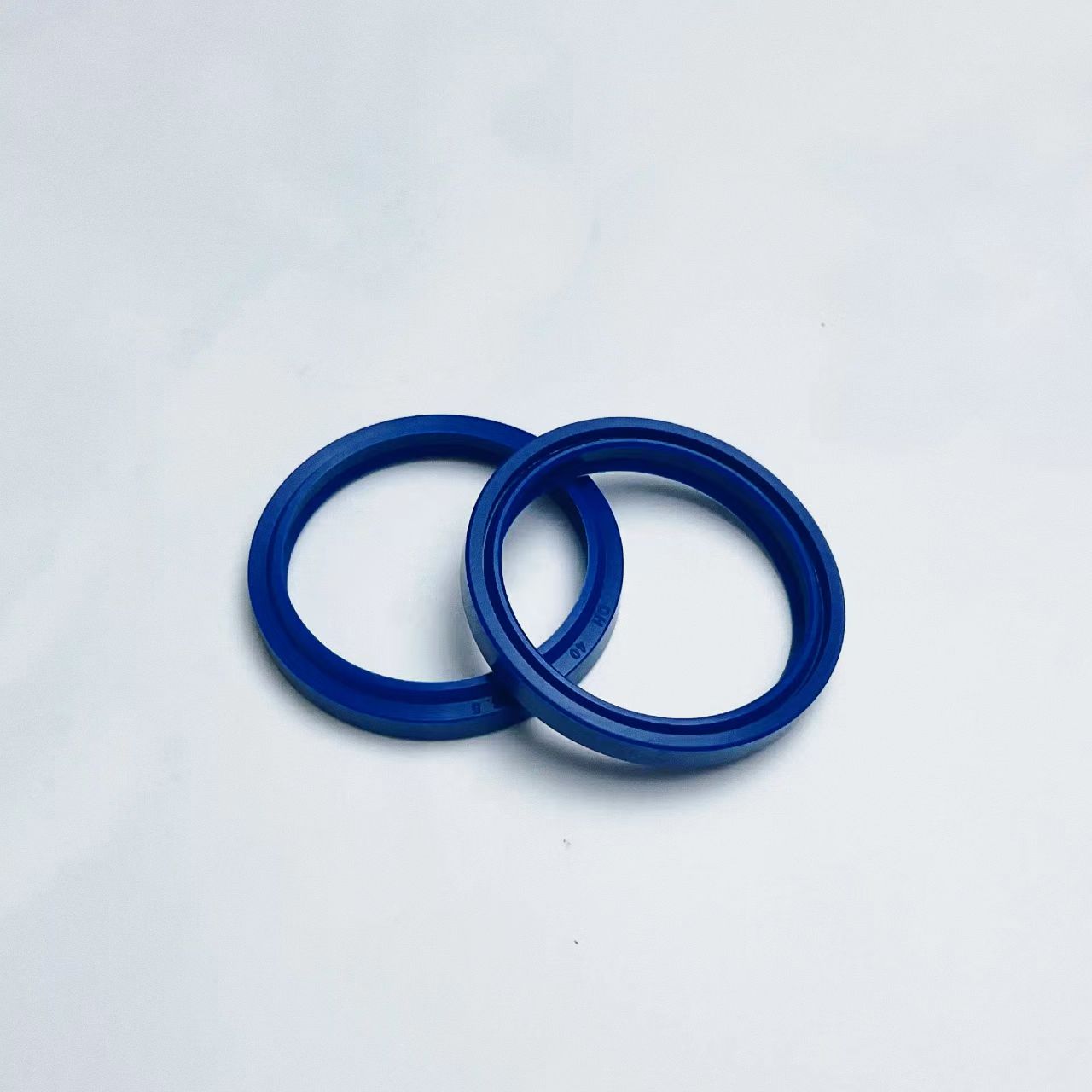
Dust control in a tunnel heading is not optional. OSHA 29 CFR 1926.800 requires at least 200 CFM of fresh air per worker in underground operations with dust-generating activities. Wet drilling and water mist on the chisel area suppress silica dust at generation point. The enclosed housing on the breaker prevents rock dust from entering the bushing — in a hard-rock tunnel, the exposed dust load is high enough that an open-type breaker's dust seal fails significantly faster than in open-air quarry work.
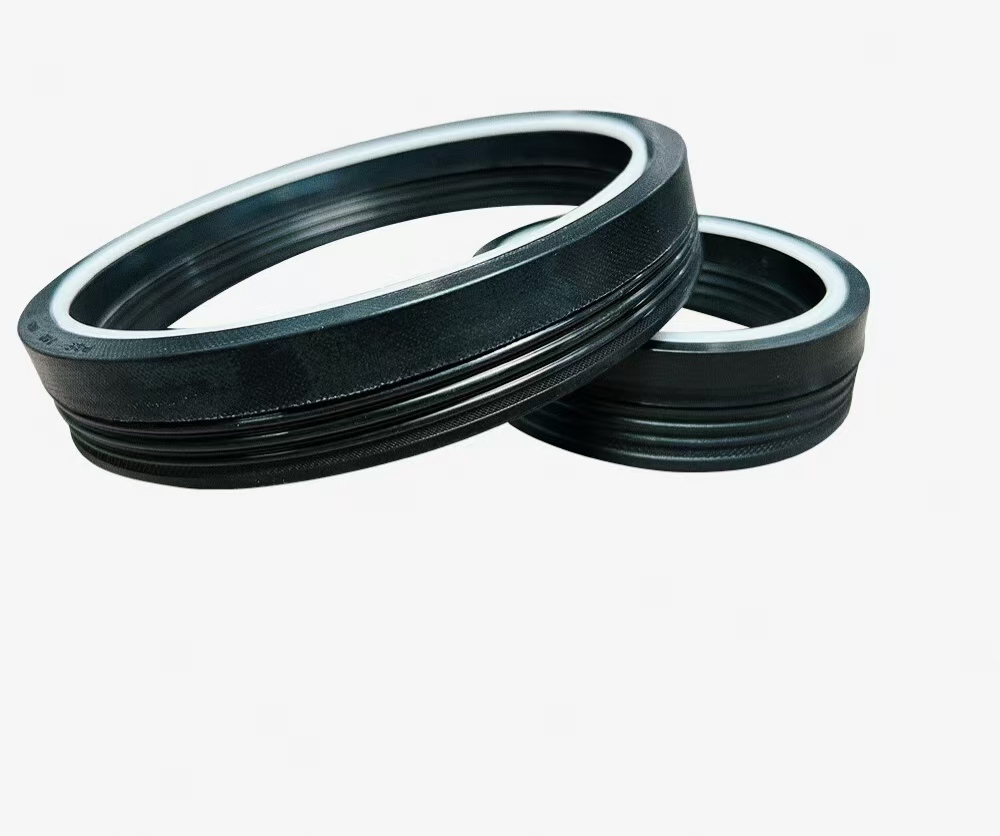
HOVOO and HOUFU supply mine-tunnel-rated seal kits with 400-hour replacement intervals and PTFE dust exclusion for both BEILITE and major-platform breakers. Details at https://www.hovooseal.com/
Mine Tunnel: Challenges and Adaptation
Tunnel challenge |
Heavy breaker adaptation |
Efficiency technique |
Restricted height / boom reach |
Compact heavy breaker; low-profile mounting bracket |
Pre-drill pattern spacing ≤0.20m before impact breaking to create free surfaces |
Silica dust (health + seal wear) |
Enclosed housing; wet drilling with water suppression |
Inspect dust seal every 400 hr; double-check after every move to a new face |
Heat and oil temperature |
Duty-cycle breaks; verify cooler capacity before shift |
Switch carrier to breaker mode; do not run in standard digging mode |
Blank firing in low visibility |
Anti-blank-fire protection mandatory |
Operator uses pressure feedback; never fire without confirmed tool contact |
mine tunnel hydraulic breaker | heavy breaker underground mining | tunnel hard rock breaking efficiency | confined space breaker operation | HOVOO | HOUFU | hovooseal.com


